
Lifting Your Spirits - Working With Your Own Hands!
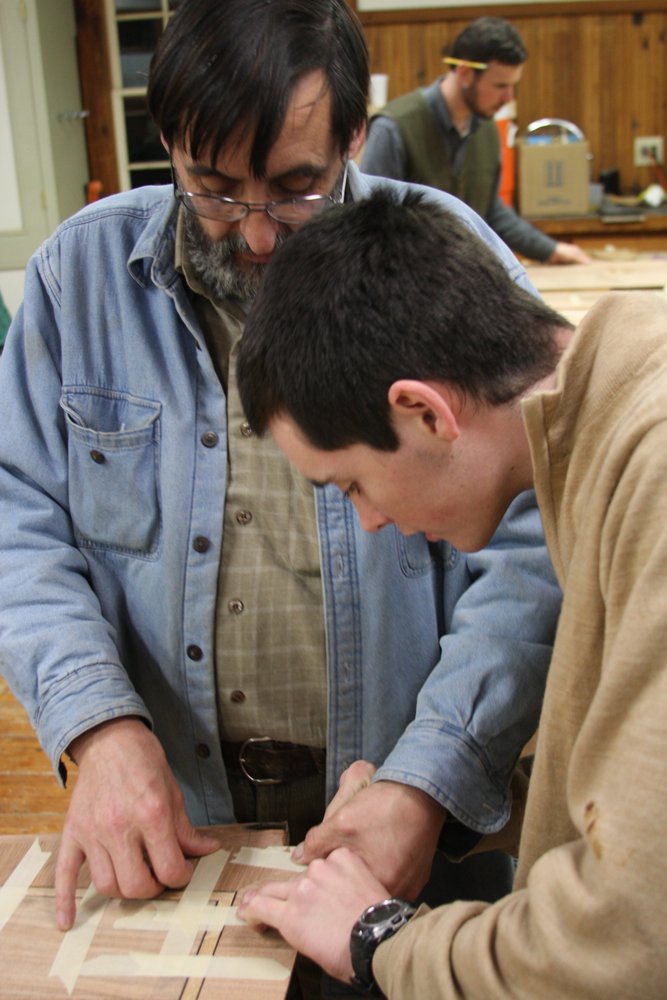
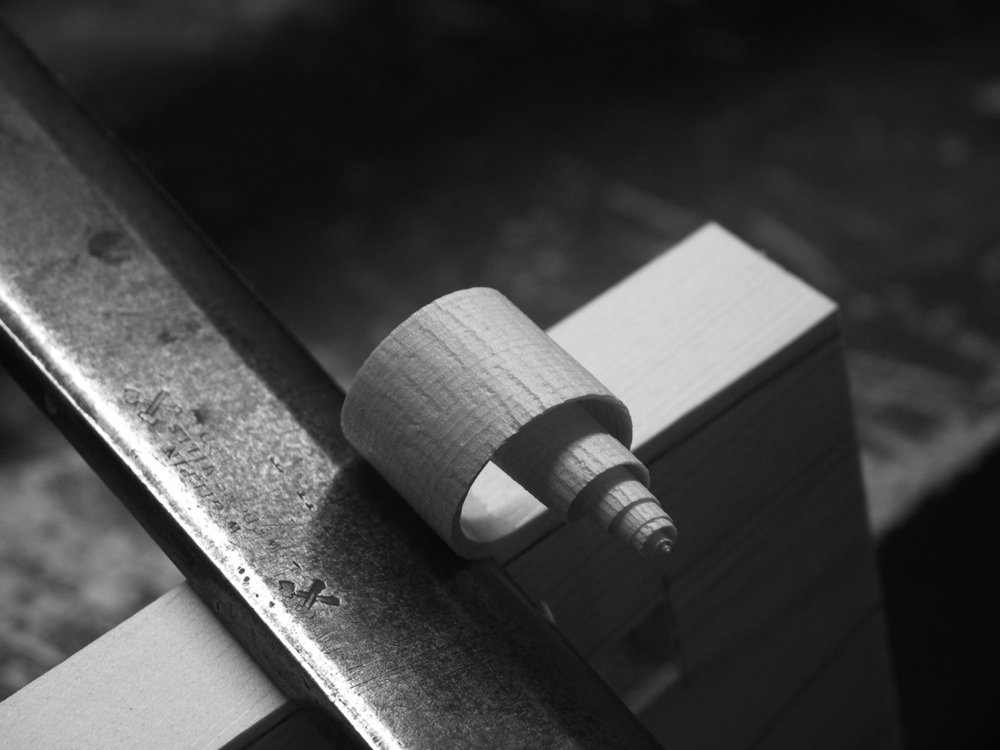
I find my interests shift between places where hand work and craft lift my spirits and machines seem less at home. I suppose machines always have seemed so invasive; an intrusion into the world where few men I ever met saw them as necessary but more forced onto them and they forced into using them. The two World Wars changed craft work and made it more a compulsion to drop standards and reshape shapes into a utilitarianism that was supposed to be a temporary lapsing of standards but ultimately replaced loveliness in the same way loveliness no longer exists when a tool is stamped out with moulded blue or red or yellow and black handles. My spirits lift when I see a brass back on a saw and then they fall when I see a resin moulded handle or spline because something inside me seems to break.
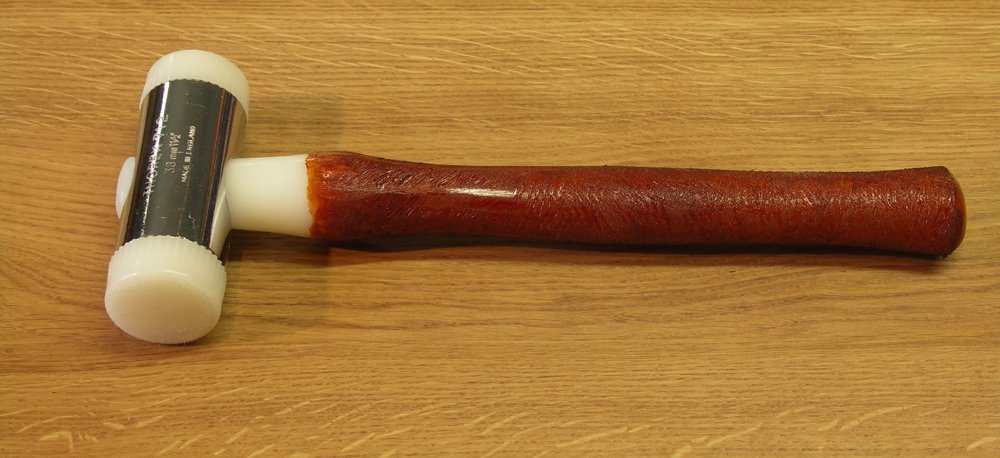
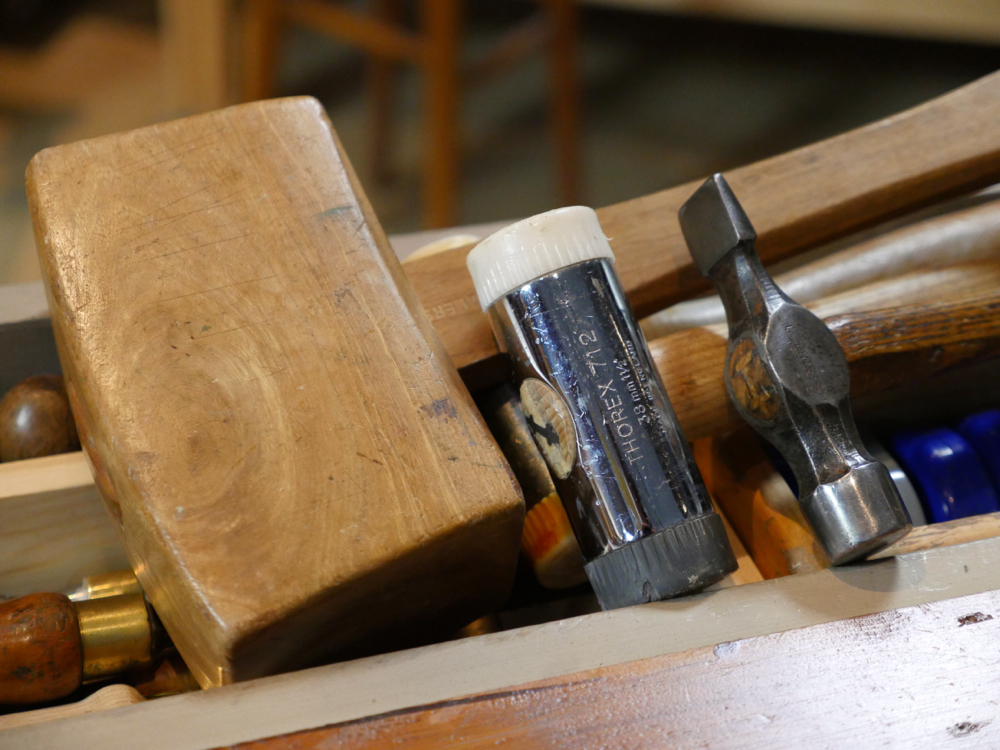
Seldom do we realise how easily our craft lives have been invaded by plastics in all their different forms and it’s all the harder when we know that wood grows with such loveliness to replace itself. I must admit that plastic rarely seems rightly looking in my workshop. In my photographs I tend to hide the plastic containers that hold my Stevia extract and so too the occasional plastic handled chisels I use for some of my research and testing. I haven’t found a chisel hammer that betters my Thorex 712 with its nylon handle and screw-in replacement heads and so I accept it in photographs, but my old mallet made from cedar elm in Texas looks always to be in place. It’s a bit like a slot-headed screw always seems right but the cross headed ones invade with the machines to interrupt the view somehow and obtrude my whole environment like a black plastic bag hanging from a naked oak waiting for the spring leaf to come.
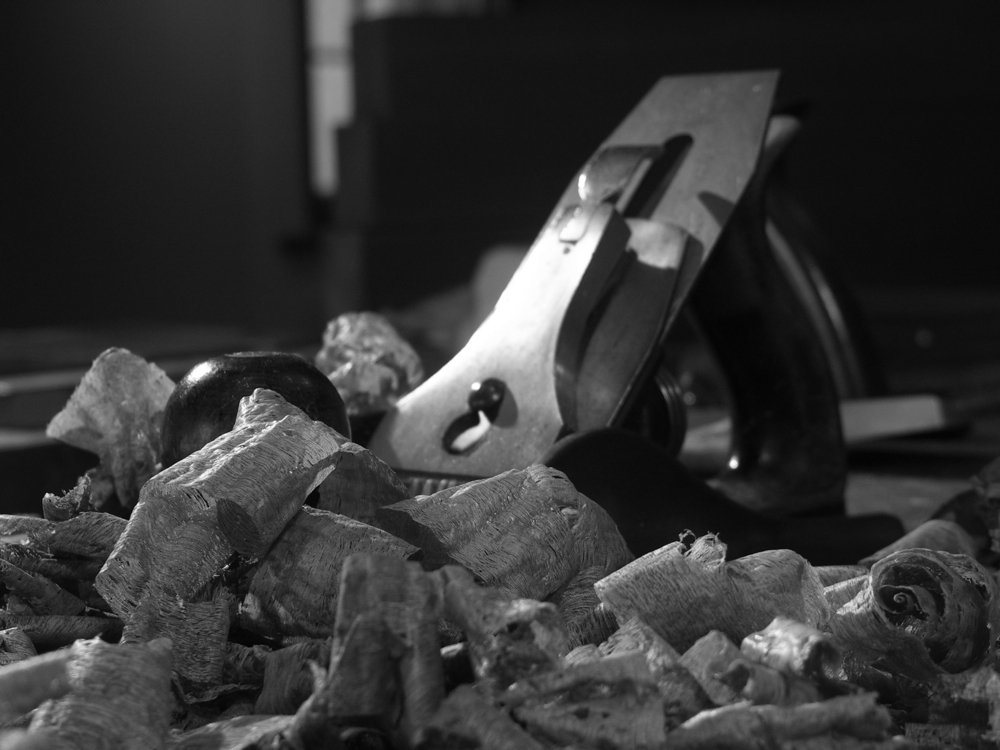
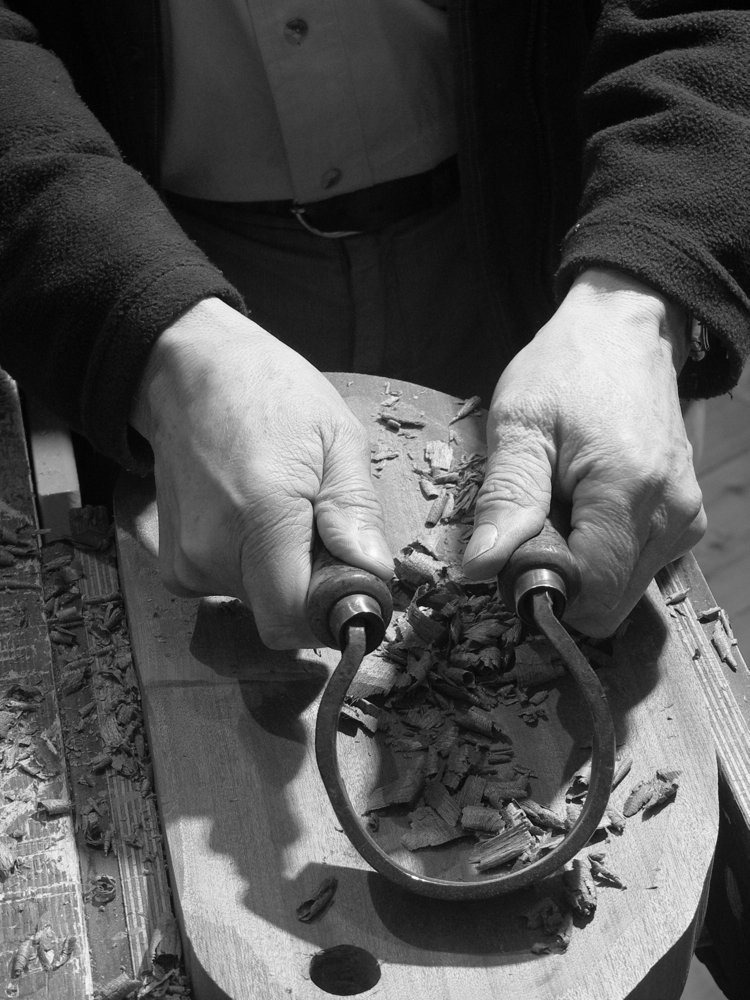
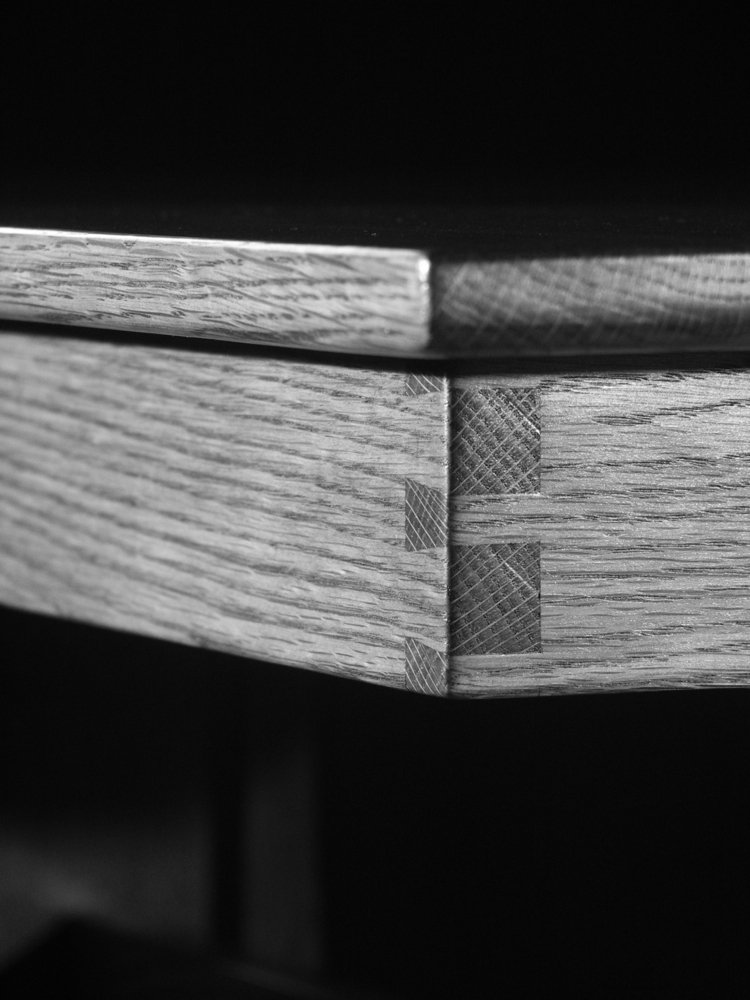
When I’m working I’m always searching for the right place to keep things in harmony and so I fight constantly against the disorder that comes through the invasion of plastics. I find myself fighting the invasion of its colours too. In many ways I like black and white in my photographs because there seems such a greatness of harmony. But I like colour. I love it. You know, there is a dislike for what is now referred to as “brown” furniture. Do you know what I mean? The mahoganies and the darkly stained oaks. I understand that, but then I also see what people do to “redo” it with splashes of antiquing and my heart seems to stop when I see something lovely engulfed by mindlessness. Did you ever see a young deer hanging dead in a barbed wire fence and wonder the agony, or one running wildly between the headlights ahead of your car? This is what I mean by invasiveness; a disharmony of content.
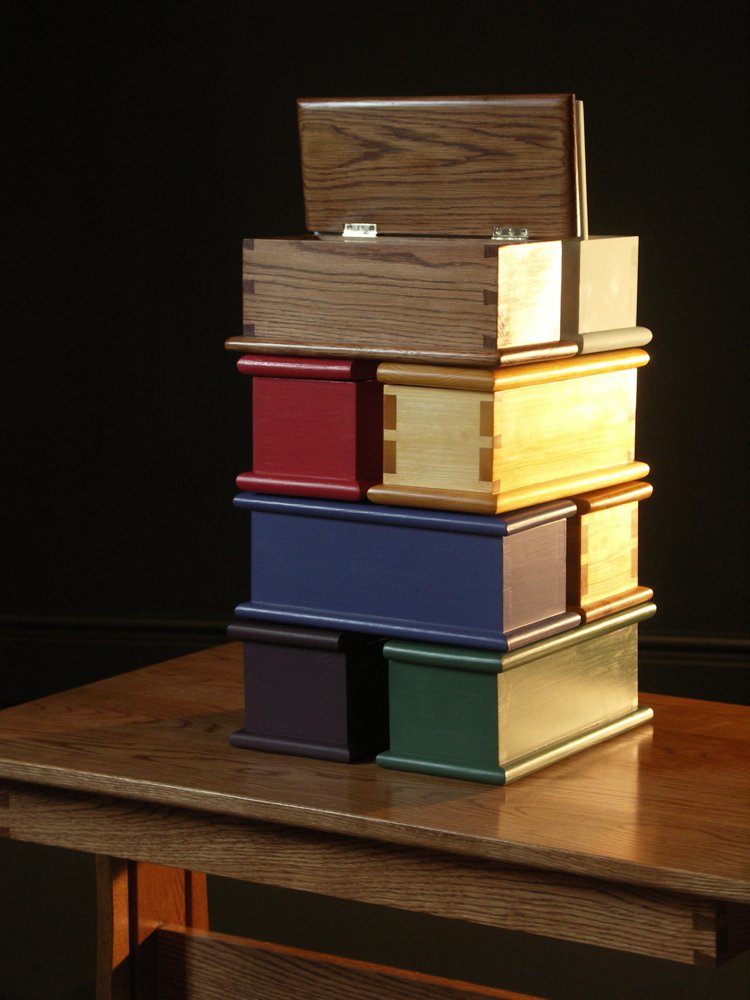
Some things we do invade our workplace and so our creativity and the spheres in which we design and make what we make. We should dwell more on the whys and the invasiveness when a router screams for hours to make what was simply developed with a chisels and a saw. In times past I stood for eight and more hours in a given day at a router and a bandsaw. Yes, it’s true. In Britain we use a term I didn’t hear in the US in all my 23 years there. It was the term ‘soul-destroying work’. That’s what we called the type of work I was doing for a season to feed my family and pay my bills, but I had a vision for becoming a free man one day.
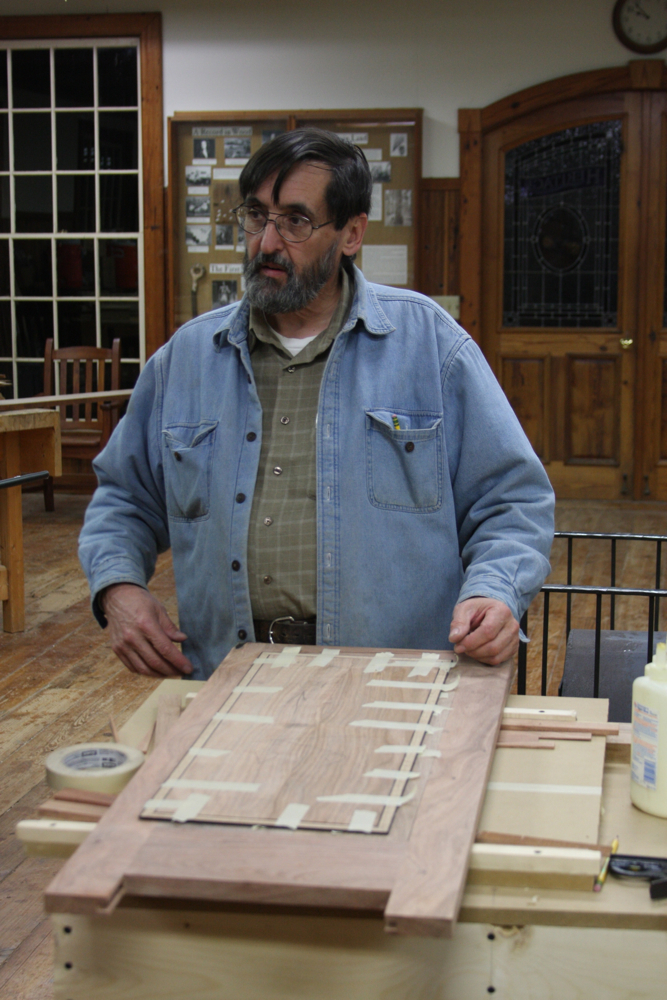
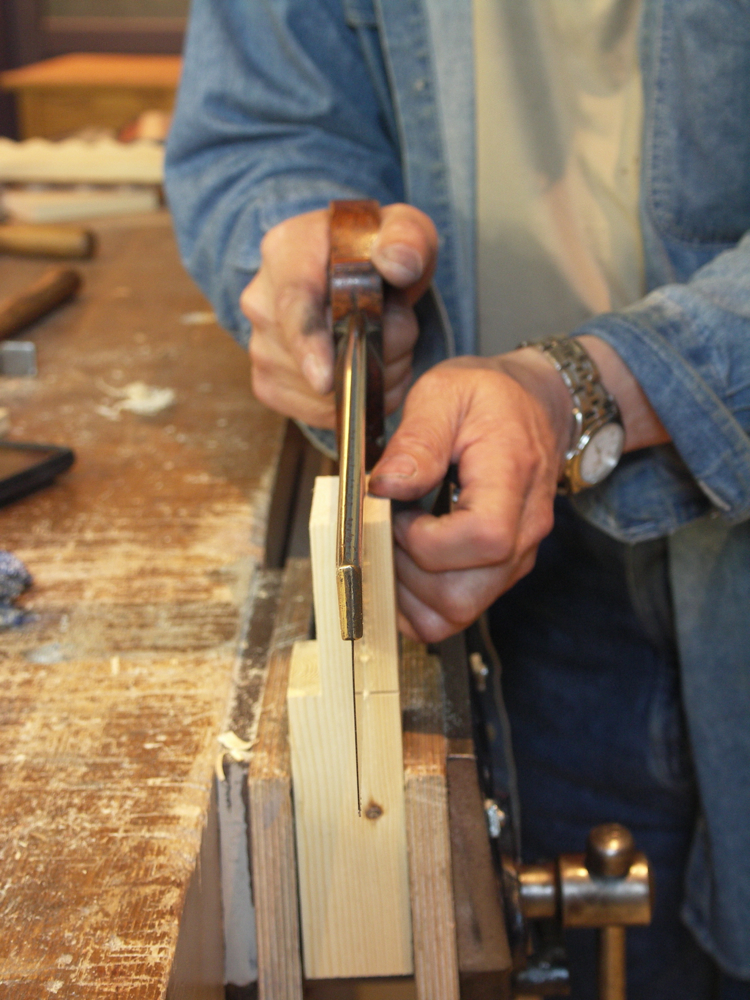
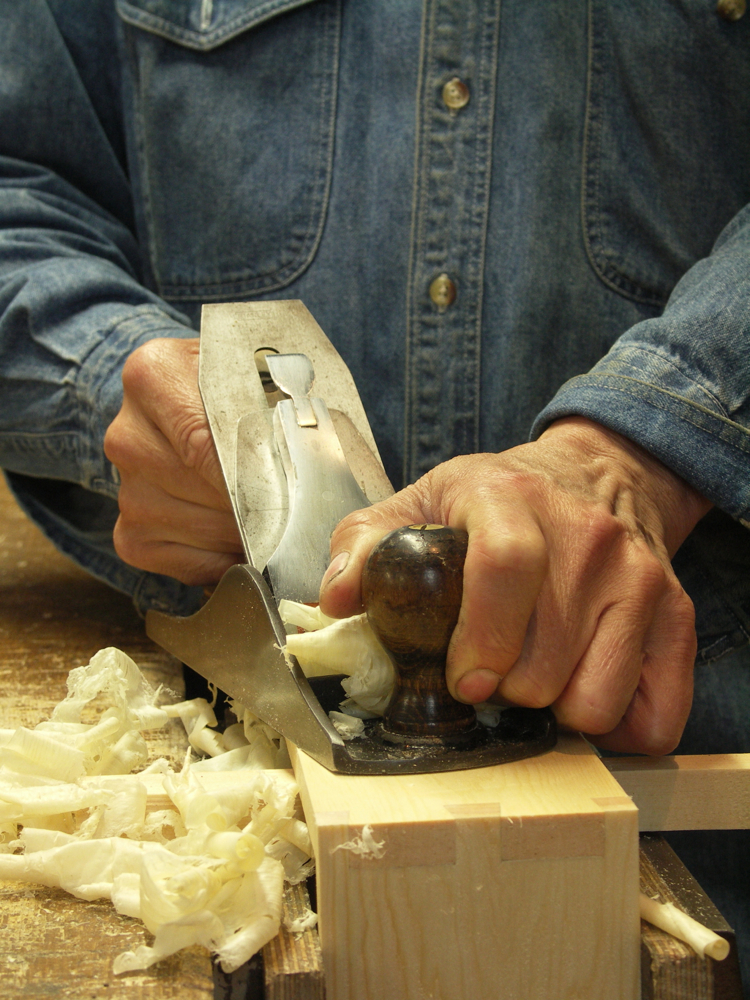
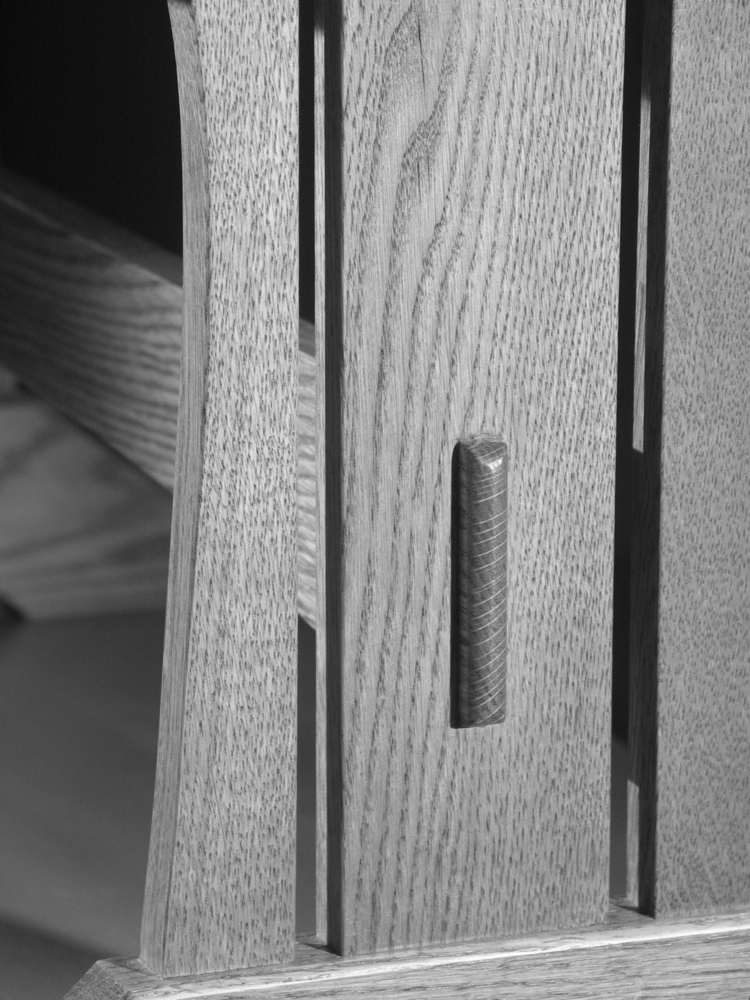
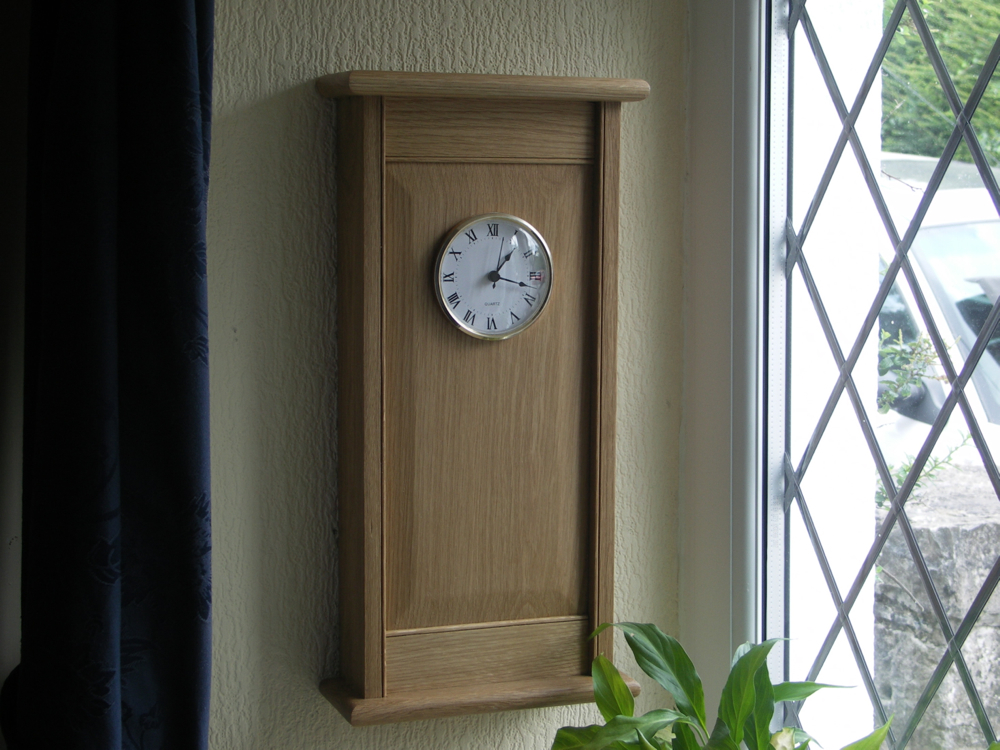
Feeding the machine’s incessant demand for more and more and more slowed down as I grew older and regained control. My skills grew and the ease of work came from my hands more readily. I was able to dismantle the intrusion piece by piece you see, as I understood what was soul-destroying and saw what the invasion was. The quest for success was no longer how much I made but how I made and what I made and with what I made. Here I found peace as I sliced my handsaw down a long board and made rails for a clock. Here I found peace as I sharpened my chisels and carved wood until a tenon quietly emerged from chips on my benchtop. I understood the harmony of marriage when the tenon slid inside its mortise and the dovetails interlocked to marry for life. I began to understand what dedication meant. That the parts to a piece become dedicated, formed to fill an exact place and inextricable from the whole. I understood at last that my hands were forming things intended and fitly framed and formed in loveliness. At last I knew I had become an artisan in love with his work and a man who saw his work not as something he deserved to have but a privilege. This was the point of transition into a world where my spirits would lift each time I placed the saw on the elm board and severed away the waste with each hard stroke. I no longer cursed the work, and the plane seemed to move with great sweetness to smooth out the kerf marks the saw left. My hands traced the surface I made a thousand times in a day and more and the machine no longer drives me to destroy the soul of my working.
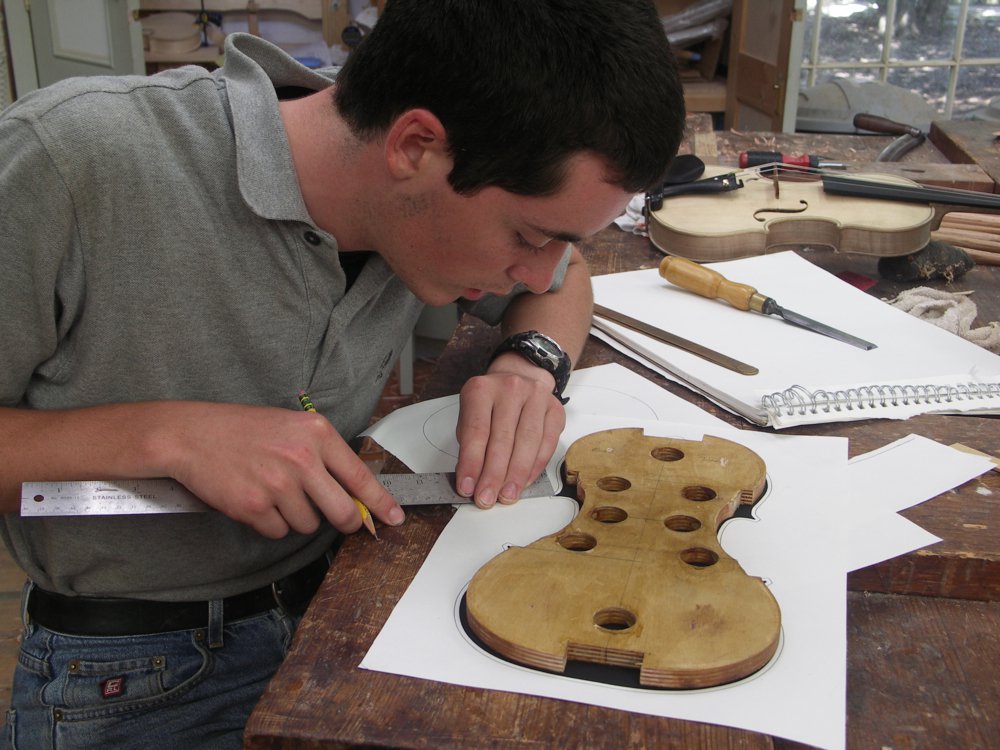
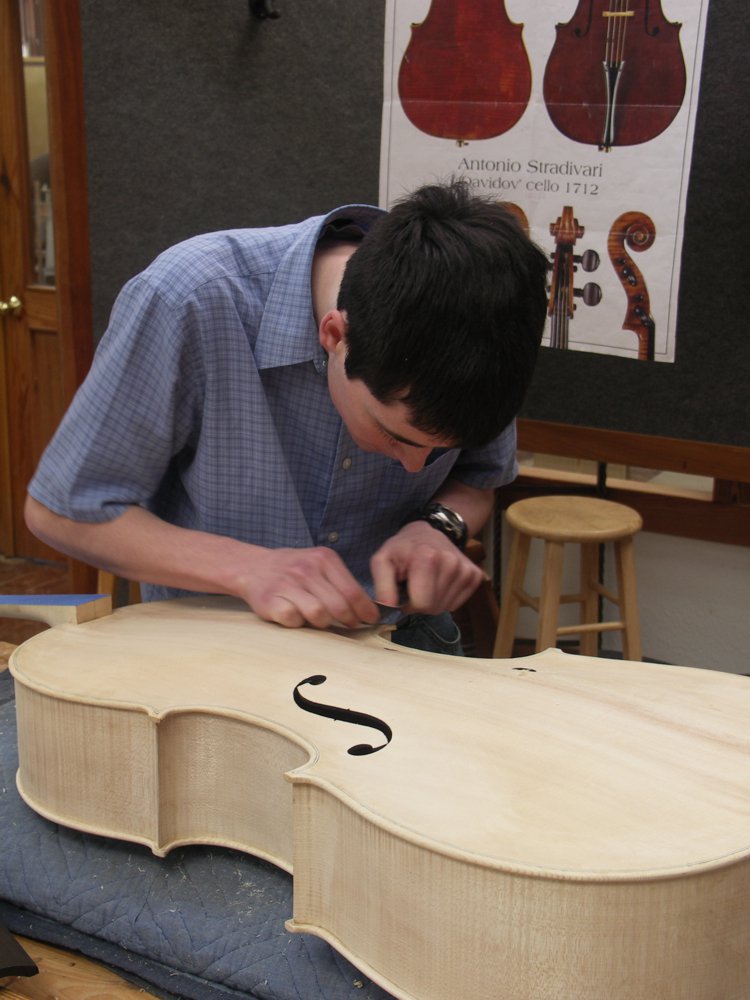
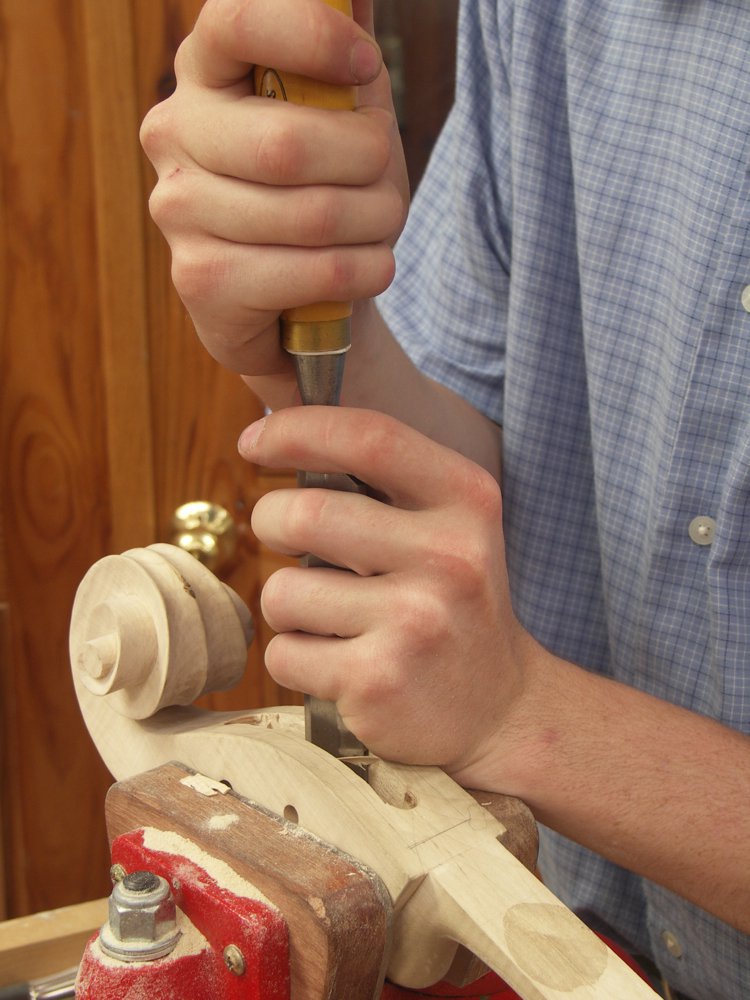
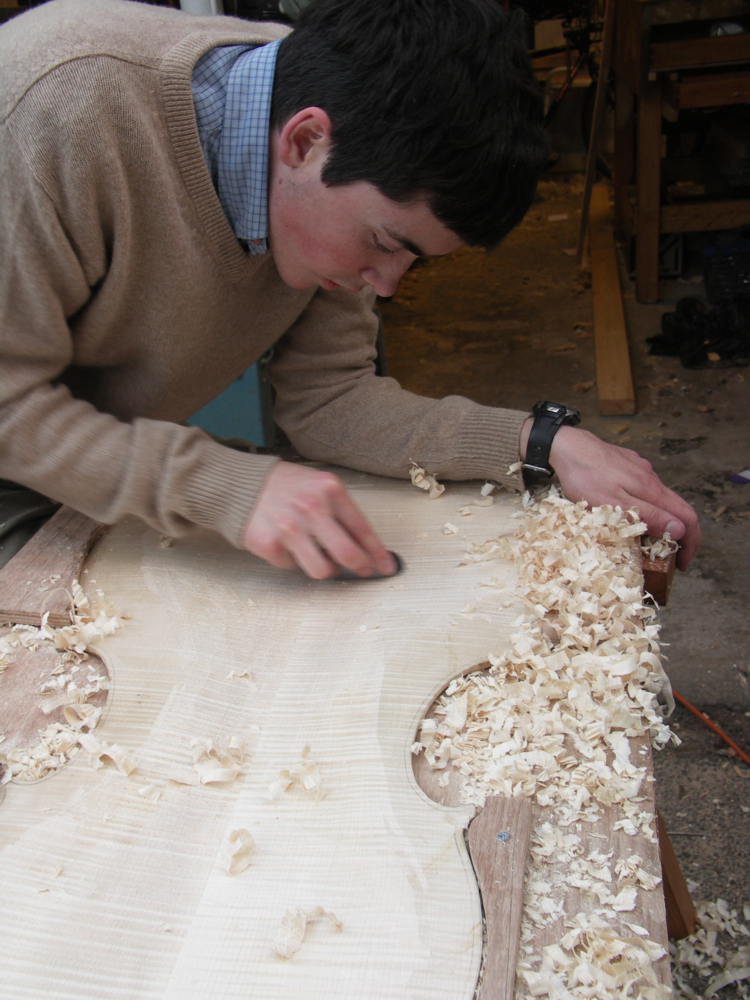
I once watched my son make a violin where no machine blade touched the wood. For weeks he worked and I watched him as he shaped each part. This was a reward to me to see. I like to watch the craftsman work his wood, to carve out a voice. The demands for cheap instruments came from the West and machines makes them in Asia to sell for £150. This is soul-destroying work. The violin made this way has no soul and the eyes and the hands and the mind are filled only with sadness I think.
Comments ()