
Take a Break, Reflect, Walk and Then Rest
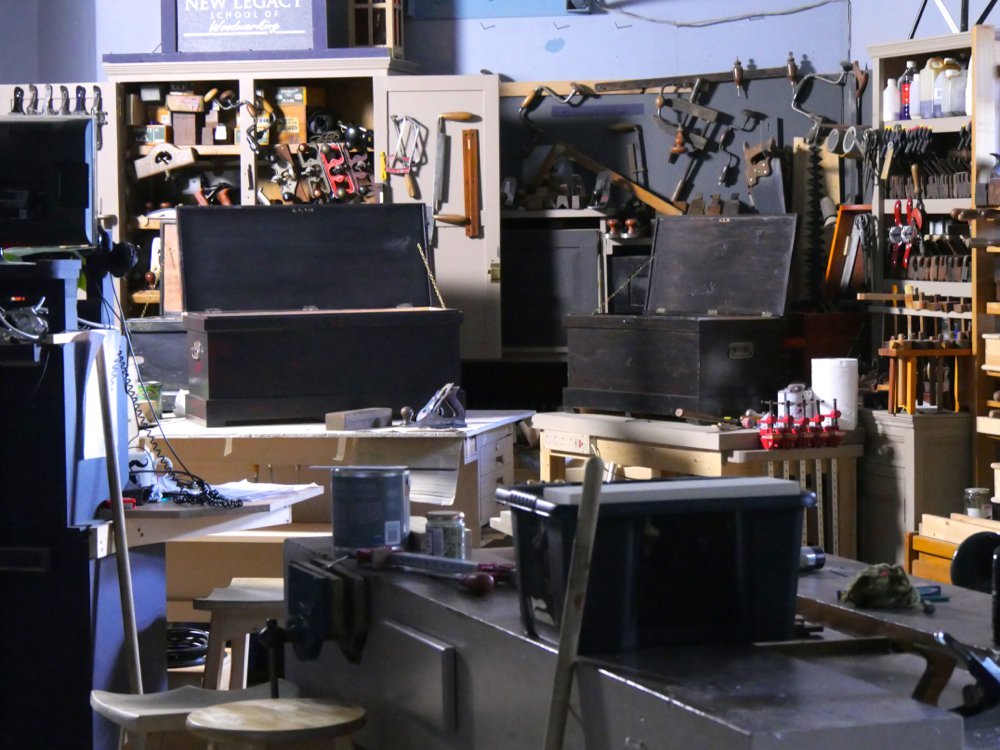

My creative workspace seemed softer this morning when I arrived. It’s funny how it does that; takes on different shades as I work through the hours of a day and the days of a given week. It changes according to task really, but I am obsessed about dust even though I barely use machines any more. People often tell me that you can’t make a living without them but that’s not really true at all. I would like to show you pictures of a man’s walking canes when he sent me pictures inspired by the blog I did on starting your own business a year or so ago. They are just stunning. He hand carves a scroll and has called them by his name. He made his first $5,000 from making his own design into a reality. I decided not to post pictures because I don’t want others copying his designs. He has a winner with it though. When I need a cane I know who to call. Anyway, mostly it’s about a made up mind. With a made up mind you can achieve unbelievable goals. Just be realistic. In a given year I may use my machines for perhaps six to ten days total now. I can expand on how I do that one day. But I still try to stay on top of dust even from only hand sanding and vacuum regularly to make sure every ounce of dust is extracted frequently enough to stop film build-up on any surface. That’s very different than the ten bench workshop of my apprentice days. Back then the dust extractor and shaving removal was me and a wide grain shovel and broom. I swept between the benches when demand was high, which varied but could be two to three time a day. When a voice shouted, “Boy!” I jumped, grabbed the broom and started sweeping. At the end of any given day the shavings were thick. I mean thick, thick, thick. Long ribbons trampled under foot, flattened and kicked out of the way throughout the day. Often they were redwood, but other times they were meranti or kerruing, makori, mahogany, sapele, parana pine, oak, sometime sycamore or ash. Even after machine planing every surface was always hand planed but we did use a strafe sander that had no extractor and the men stood there with only a surgical mask as protection. It was a miserable machine. The machine shavings were bagged and sold for horse bedding and chickens, but in the wintertime they stoked the boiler for heat and I was the boiler man too. So, that's me rambling a bit really. Sorry.
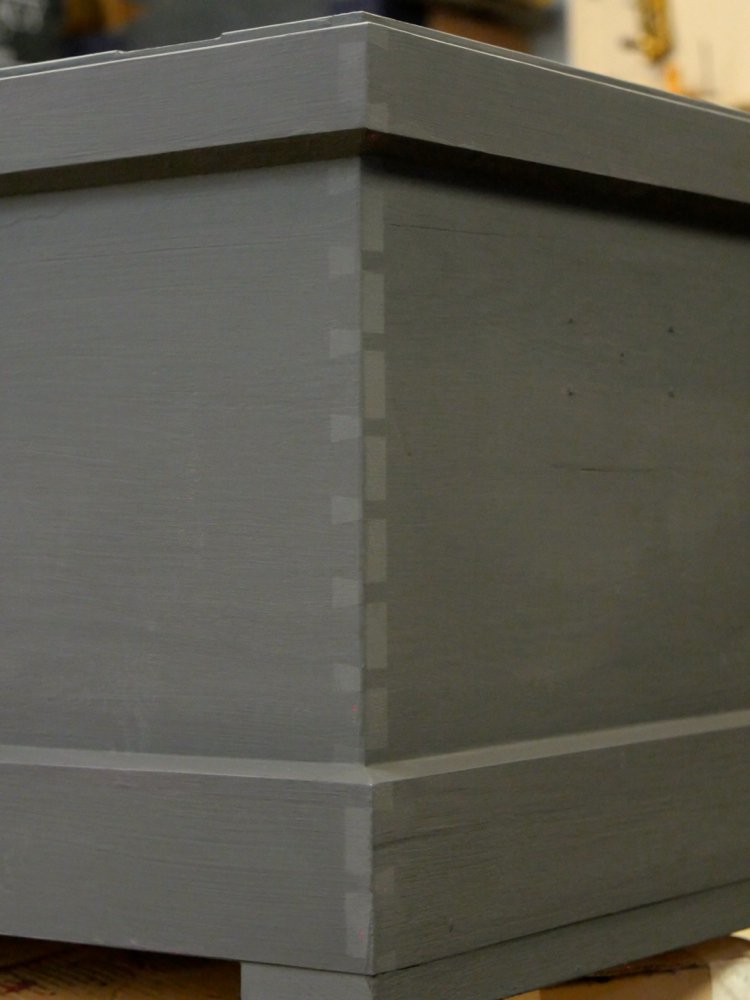
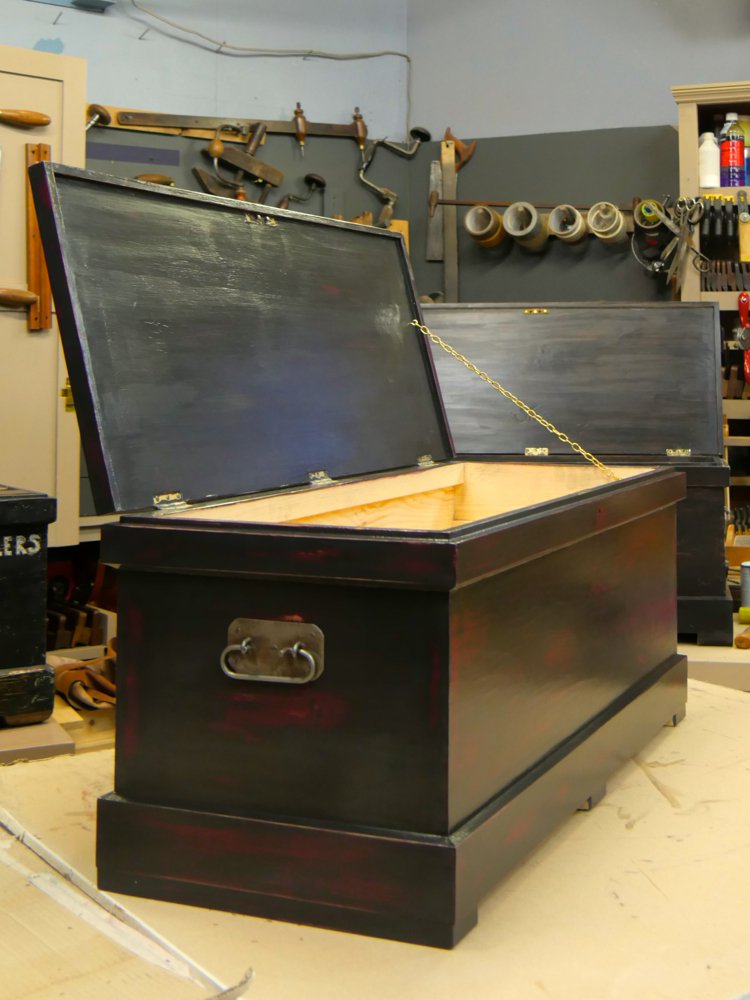
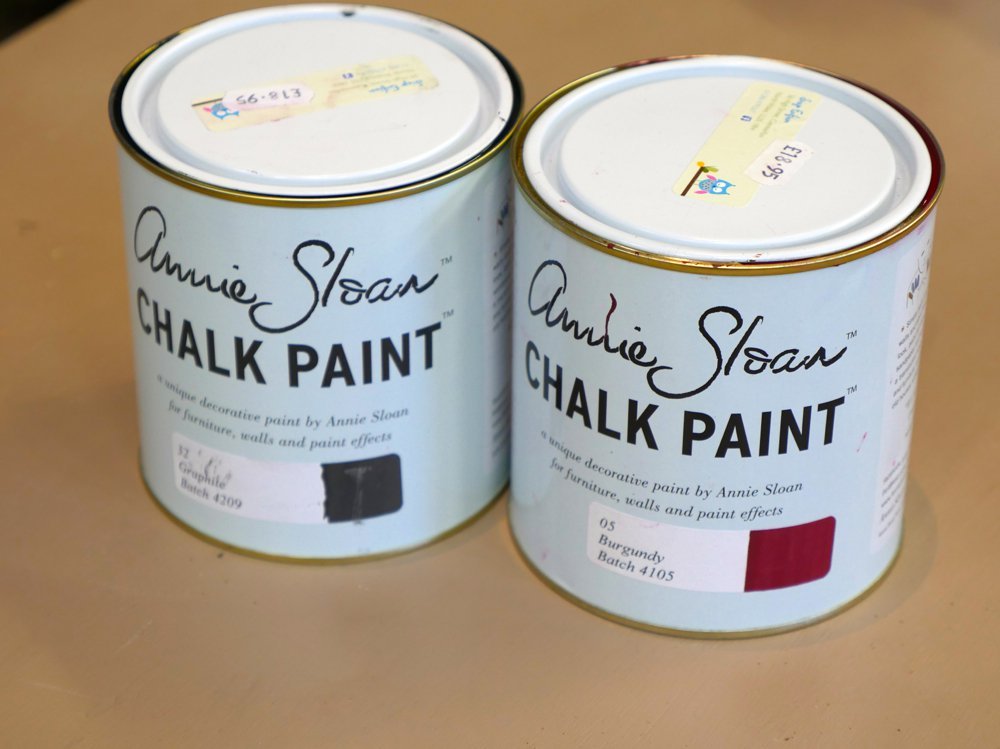
We finally coated the toolbox with its final coat of wood finish in paint and clear coat as a top coat and the end result really pleased me. We got the last coats on to film yesterday too. Its now a video in progress and the dynamic of painting is explained thoroughly using chalk paint and a water-based top coat or three. It’s an amazing finish really and I love the way these new finishes are working out these days in that they give variety of options we never used to have and clean up under a water tap simplifies everything all the more. I like the fact that you can create your own stains, mix other colours in a second and you effectively deny the solvents access to the drains and waterways of the world. This water-based topcoat is the best, and I mean the very best I’ve used too. It feels like shellac when done, soft and smooth, but the application is very different. It’s extremely durable, even for floors, and promises a long life too. I have one more step to go, a trial, a test to complete if you will.
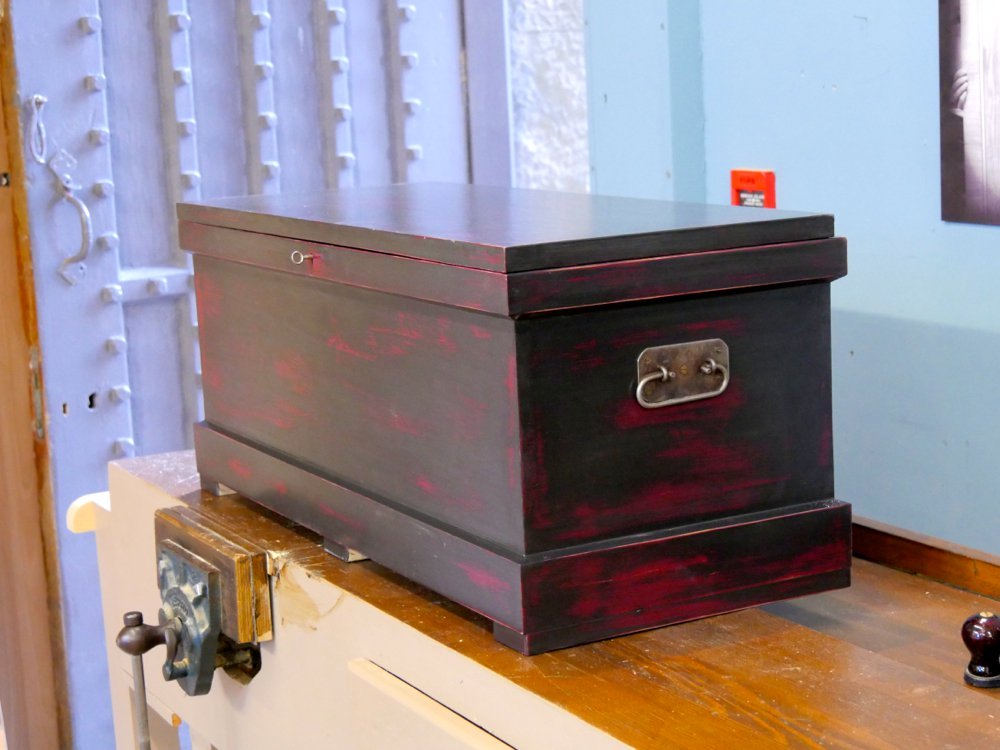
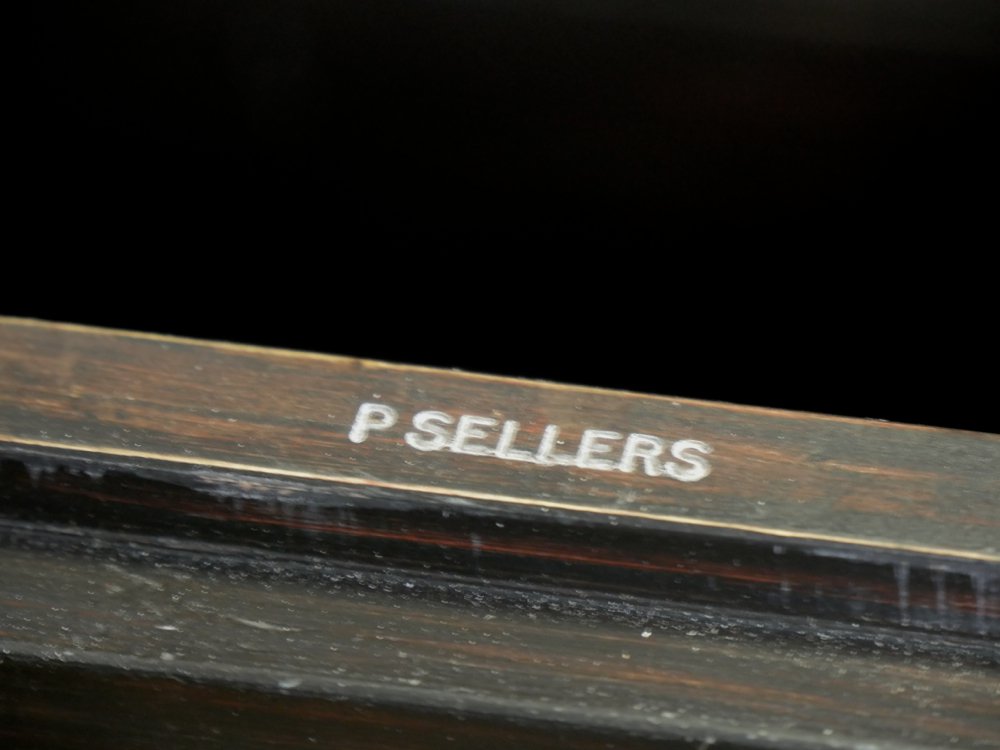
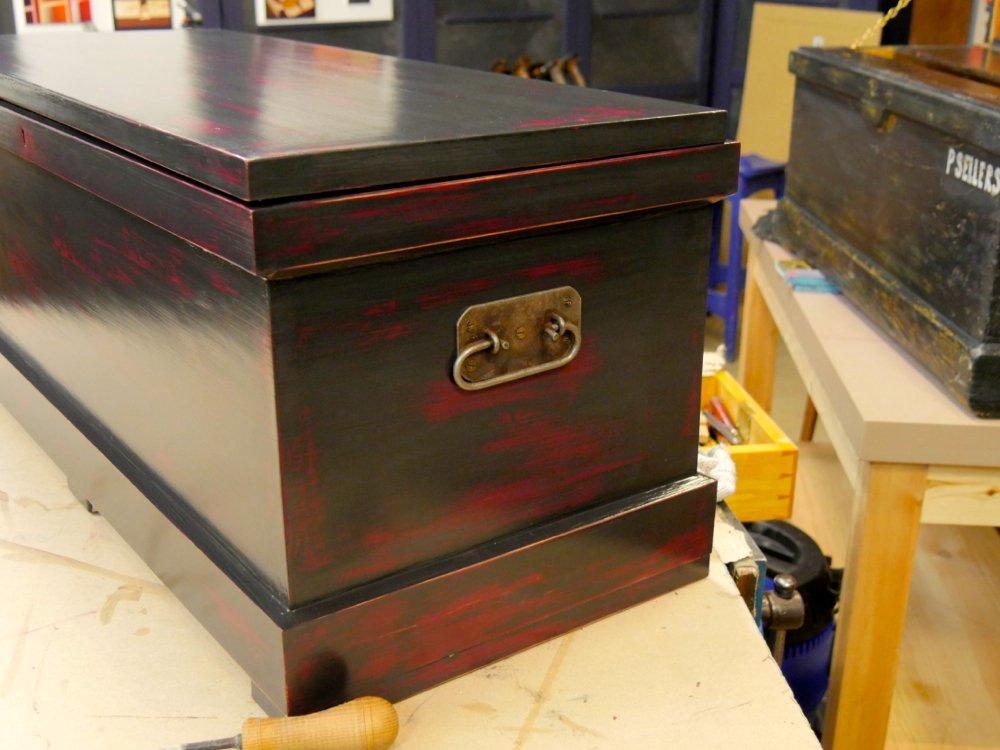
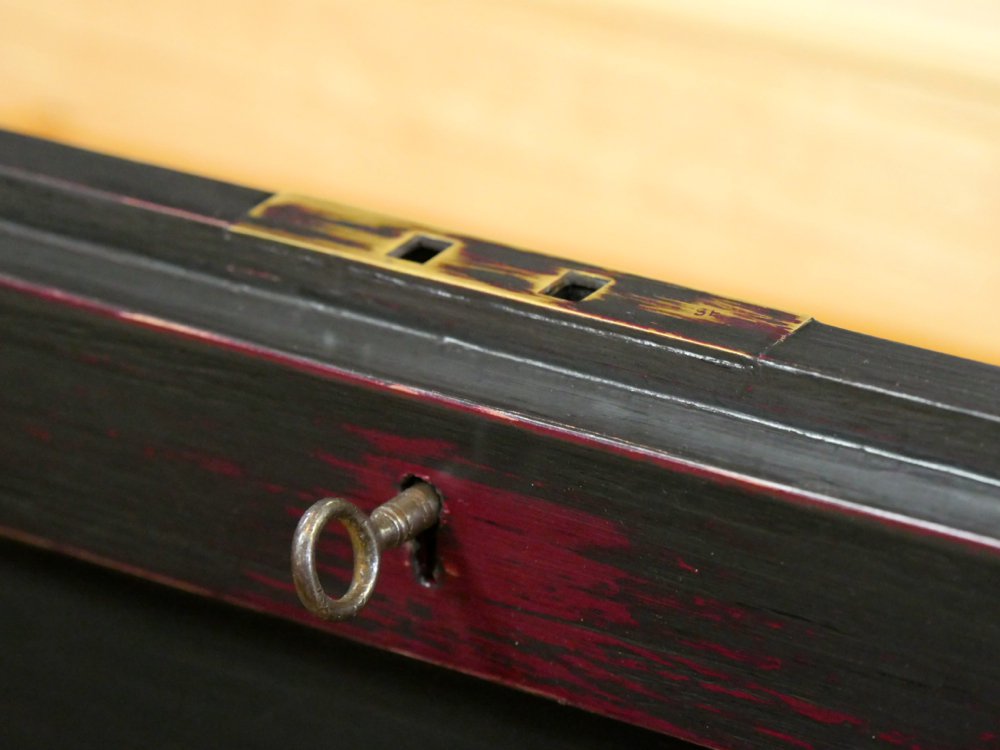
Overall I am pleased with the way the building of the toolbox has gone so I stamped my name on it with my new name stamp from Ray Iles. I know those following the build on woodworking masterclasses are enjoying it too and I’ve seen some great results from those who made it following my blog from a few months ago.
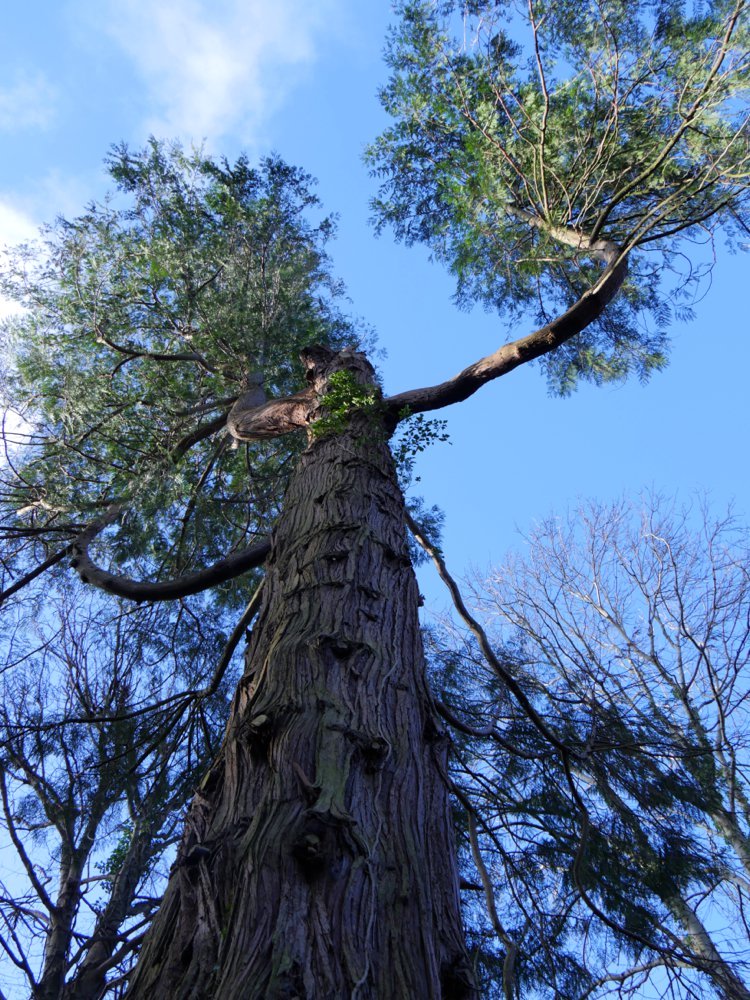
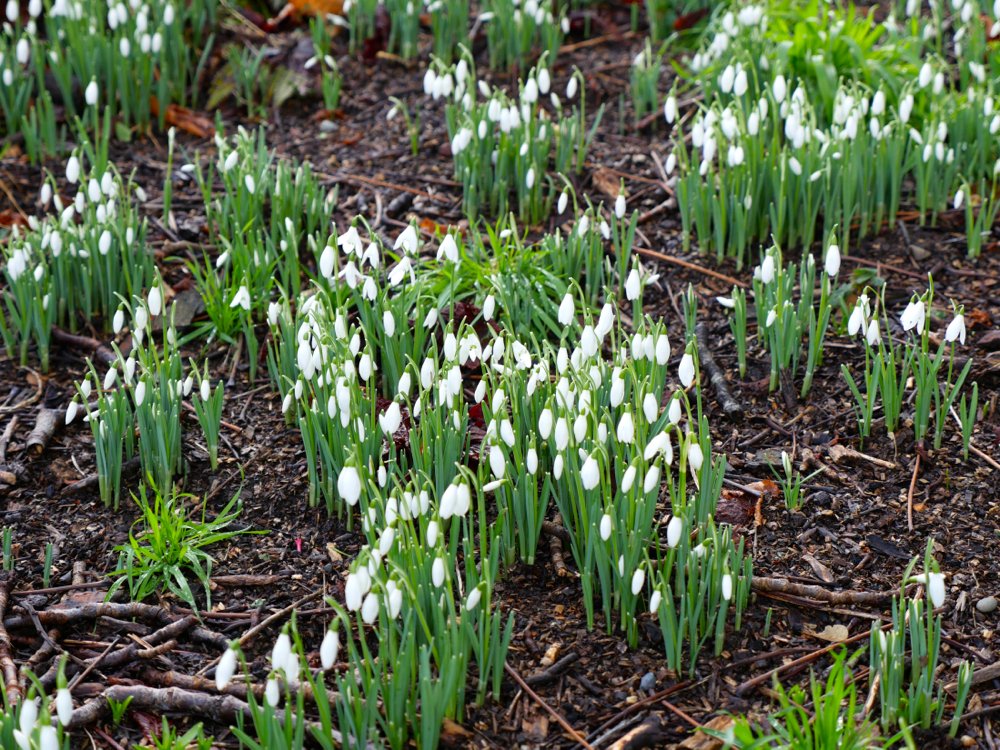
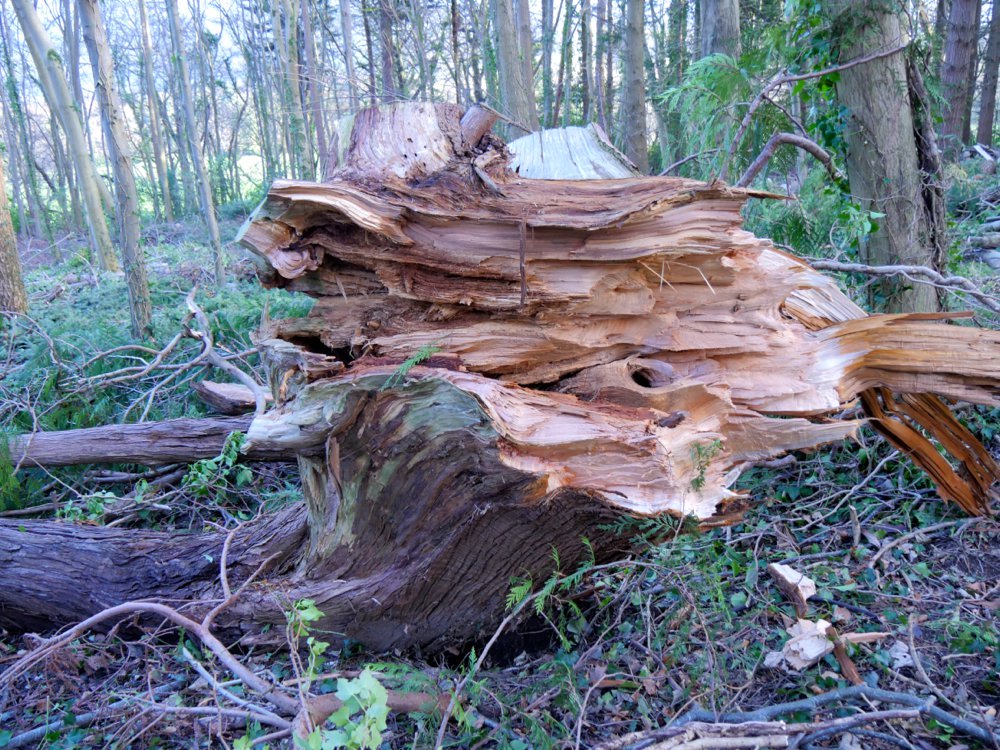
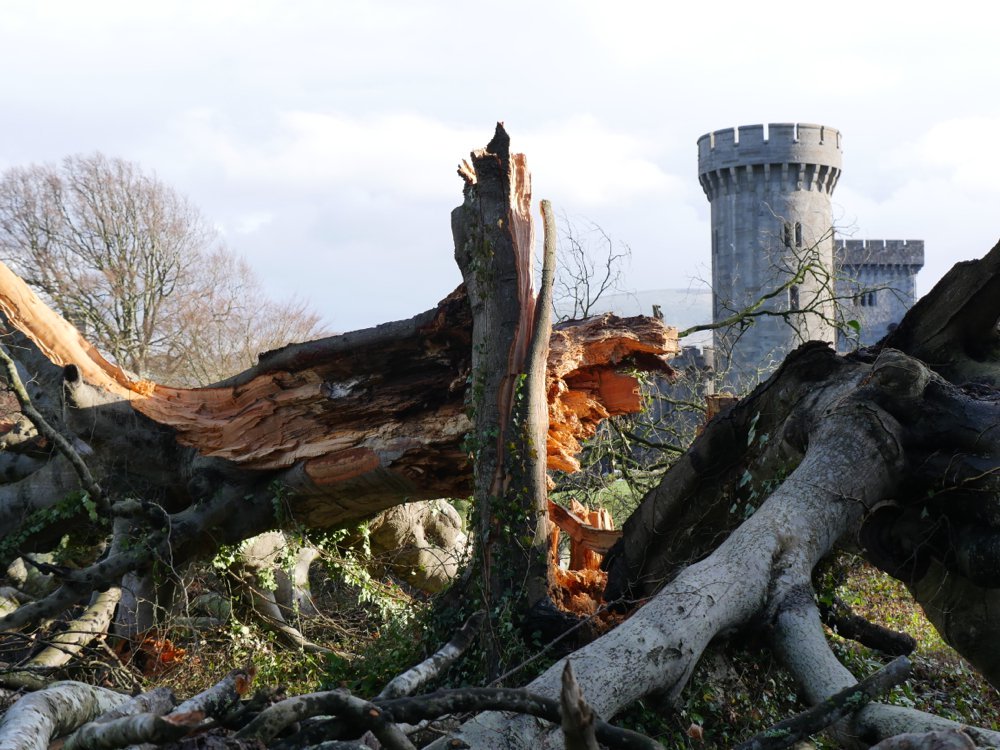
I took my evening walk through winter-bare woods this evening; it’s good to close out a week on unsteady feet scrambling that way. Sanity of sod under my feet and snowdrops hanging like bright, wintery-white luminescent lights builds and my mood changes to take a little rest. A few minutes looking at my wood in the raw, first in the sky and then to the ground below, reminds me how important my Source is. Here’s a giant minus a limb and so too a downed beech cleaved through the middle to reveal the true causes of demise inside. Somehow I like the natural culling cleaved-through its 4-foot mass resting on rottenness now lying amidst more lost limbs. New growth will soon arrive to replace them and the perpetuity of wood and the life-breathing tree continues to clean our air and provide for our future.
Comments ()