
Square Awls From Confused Manufacturers
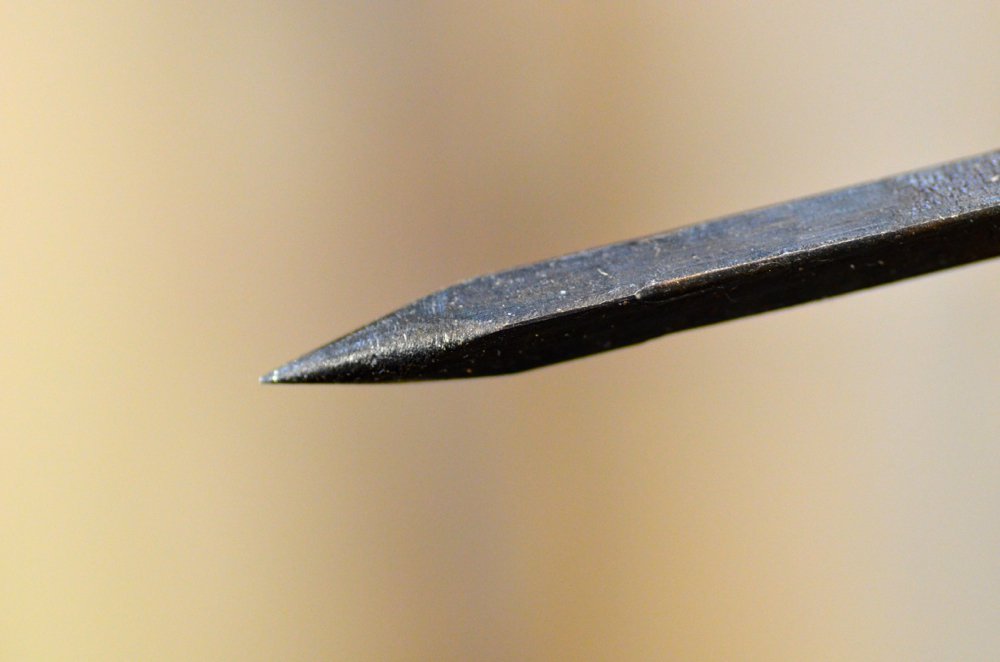
It’s funny seeing how manufacturers change the art of what we crafting artisans are looking for by taking what exists and then manufacturing their translation of it rather than trying to understand the essence of something we really need. In the demise of British makers producing true quality goods, a void existed and an opportunity too. I say that because yet another venerated manufacturer I once recommended reduced its standards and chose a different maker to make its square awl. The new awls were shabby replicas that started snapping under even mild pressure in softwoods let alone the more resilient hardwood like oak. The end result is that yet another British-made product bites the dust and another interpretation comes in to fill the void from Asia. People that relied on C.K. for a quality product will disappointingly find that C.K awls are now ranked amongst the junkers.
That said, I took a second look at the imported Silverline square awl (above). It was really a mistake on the part of the manufacturer and of course the importer (known for cheap imports rather than a quality product) too misunderstand the key issues. They must have thought that the point of the original square awl was flawed and in need of finessing. I suppose they decided then to correct the mistake, thinking they were doing us a favour, and rounded the point like a round-pointed awl and never realised we wanted square edges not conical. To add insult to injury, they then took off the corners to the stem of the awl with a chamber to each corner when we wanted sharp, angular corners. You see we rely on the sharp corners of the point and length of the stem because the work as a reamer to actually ream out a conical hole for screws or to make a hole all the way through. All this awl will do is split wood rather than cut the hole, which is what the original was designed for as a bird-cage awl.
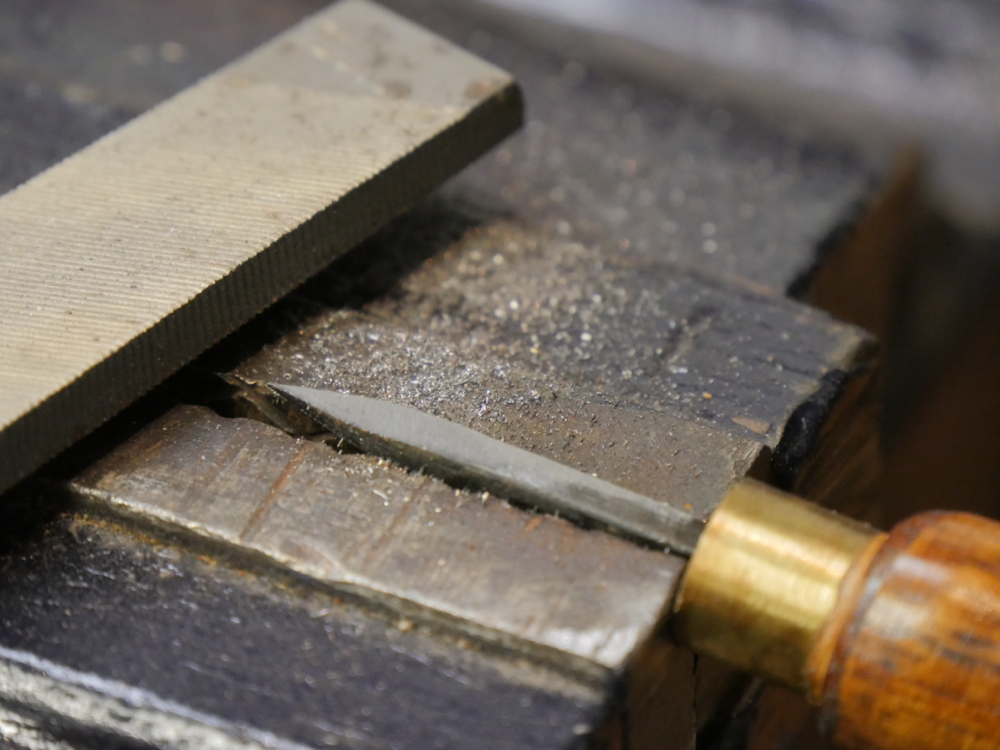
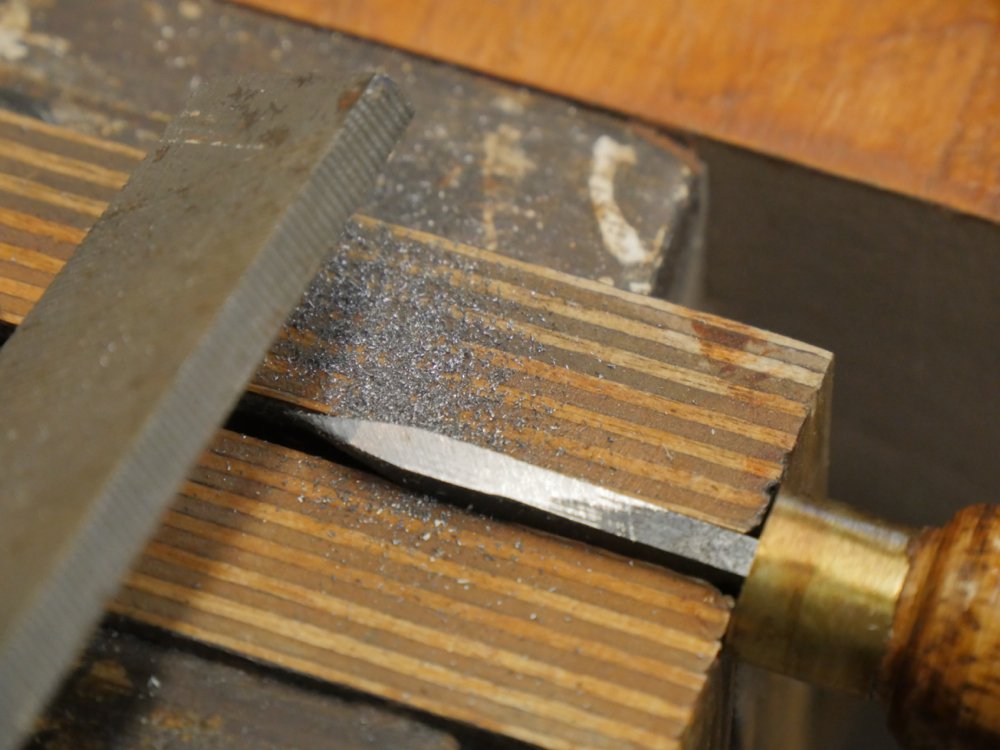
With the flawed perspectives dealt with I took the awl and started filing the steel blade square with a flat, single-cut file. The steel was hard enough so that was good. The wood is an Asian hardwood, stained and nicely shaped. I confess feeling glad that someone in Asian was earning a living making them but I’m not under any illusion that he or she is getting near to nothing for the work. I reckon that if I were to start a business just making square awls to a good quality I could turn the handle by hand, fit the brass ferrule and cut and shape the steel awl part from O1 in under five minutes or so. Materials for the whole would be about 15-20 pence sterling max. This awl cost me £4.96 with free shipping and handling. so at that rate, after costs and shipping, I would be earning about £48 an hour and that’s for true hand work, which is not what’s taken place here. All I have to do now is sell them. Oh, and that would be with a nicely made figured maple handle to boot.
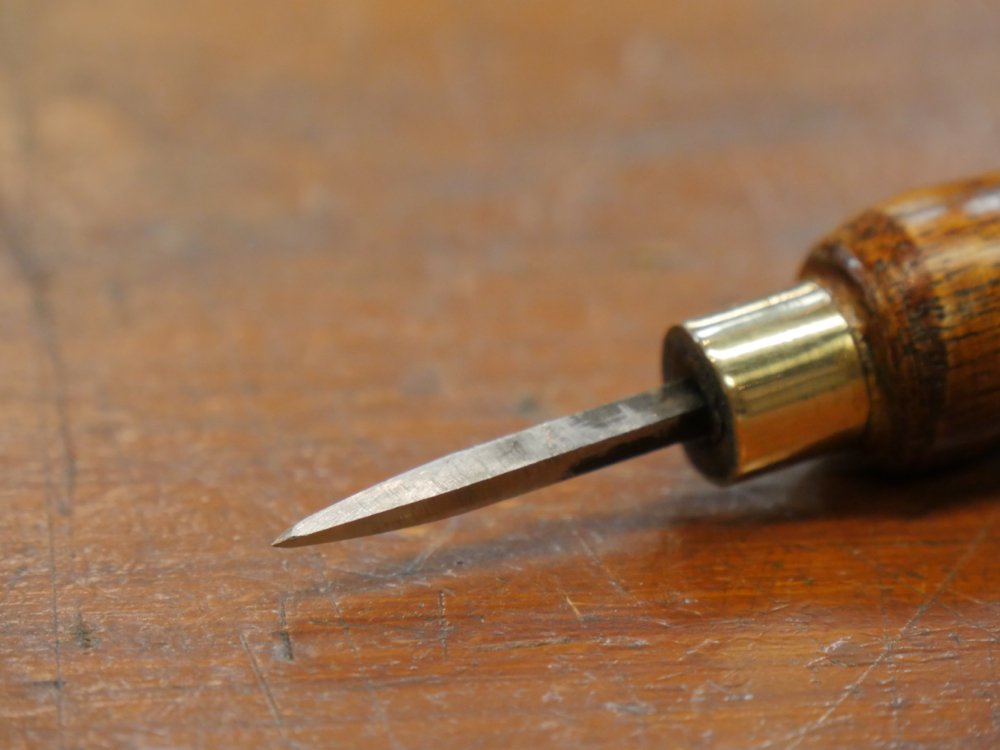
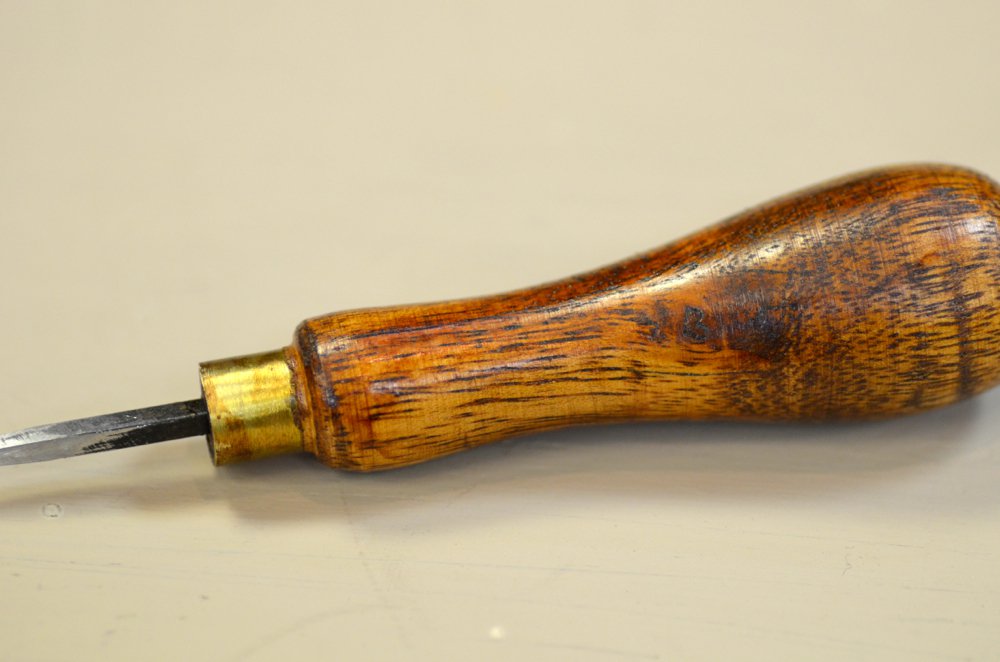
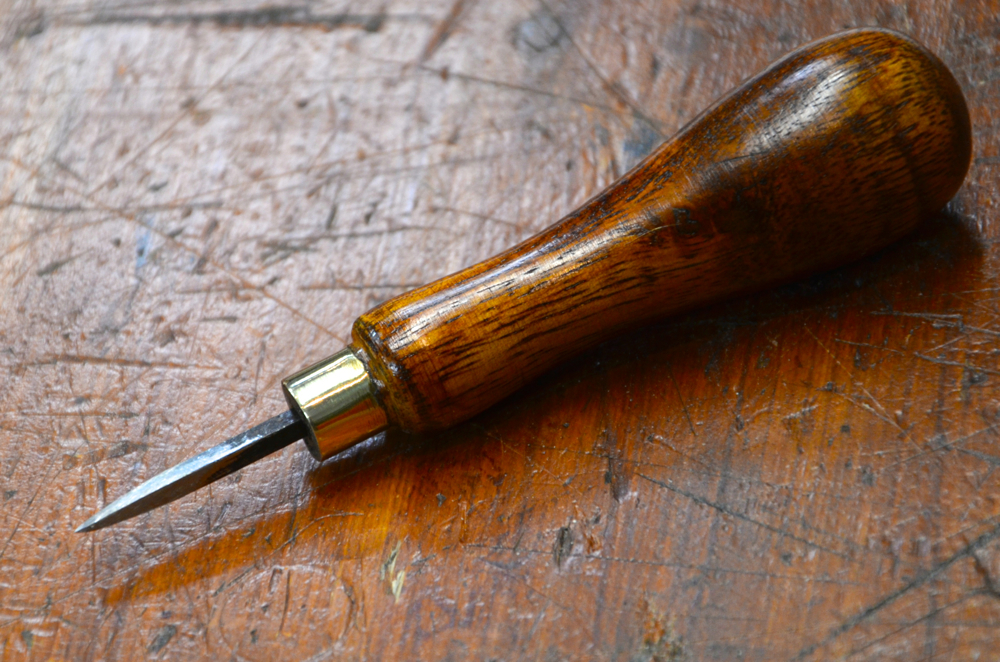
OK, the brass ferrule was thick-walled and nice quality. Better than most ferrules on high-dollar awls. But somewhere in the production run someone was sloppy and left the ferrule looking ugly with finish badly applied. I polished this out and worked on the ferrule to polish it out on a mop in 8 seconds flat. The difference to the appearance and feel is staggering. I lightly buffed out the existing finish on the wood and applied an extra coat of shellac. Tell me someone can’t start a business in today’s economy and I’ll show you how she can. You should see the photographs someone sent me as a result of the walking cane blogs and videos we did last year. Just stunning work.
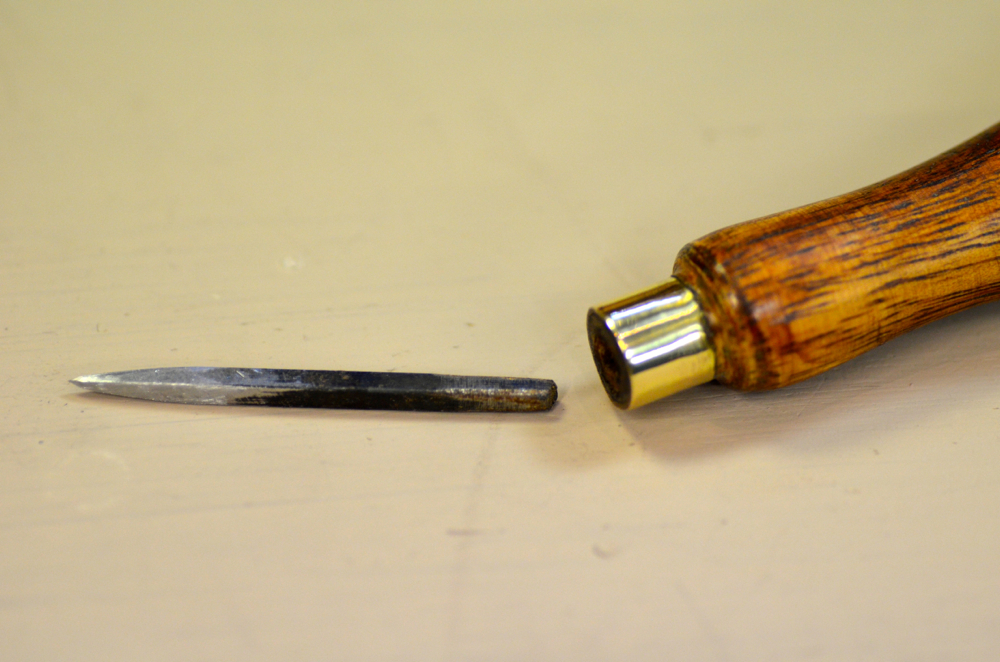
I wanted to see how the awl fitted into the handle. Simple and effective really.
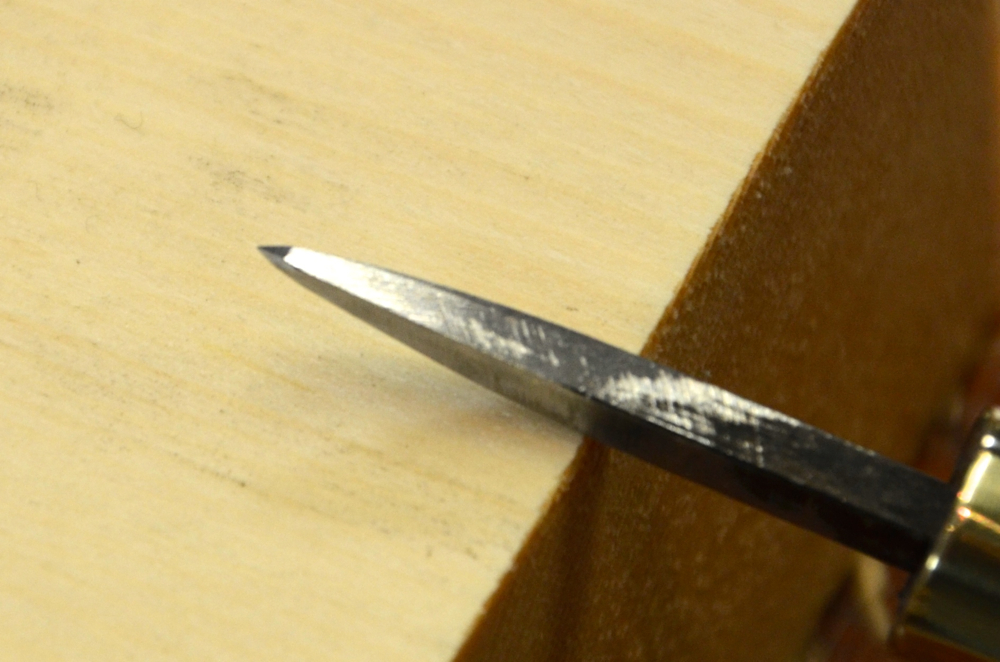
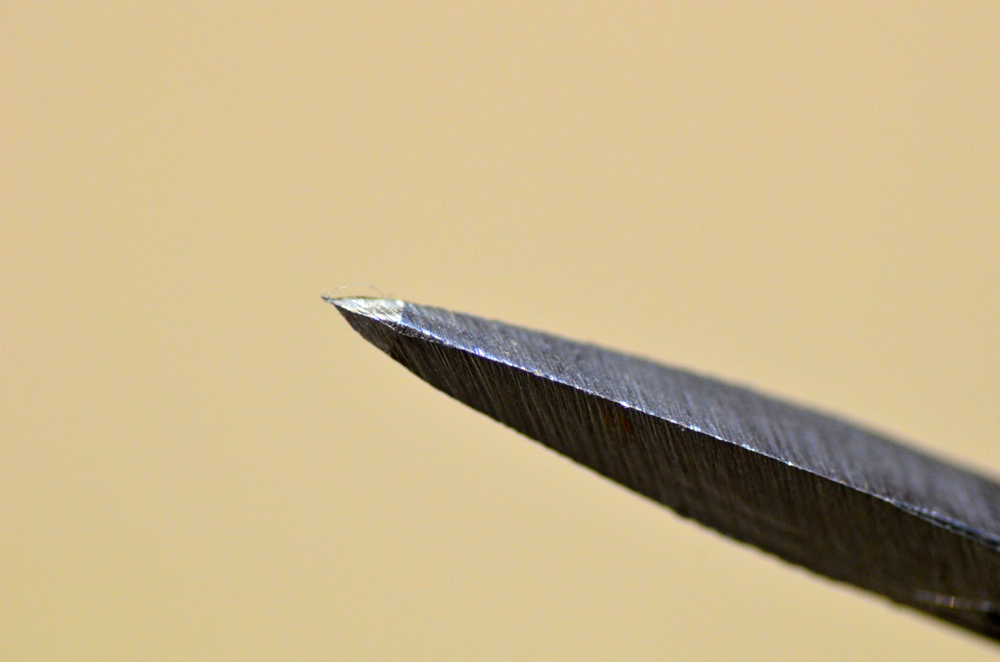
Refining and strengthening the tip of the awl with a pyramid point is all that remained and the awl motored through wood like a torpedo. You may want to experiment with shapes like triangles and diamonds, but square is really fine and very strong.
Before and after side by side. This is how the awl should have looked.
Comments ()