
Nostalgia - Is It Really Just Wistful Yearning for Times Past?
I think not...
A year just past. It holds real value in undergirding tomorrow and a new year yet to unfold relies on it. You know where this is going, but I hope you will understand why I write it down here. There is a generation yet to be born and they may just need it. That's why I write to a fast-paced fast-changing world.
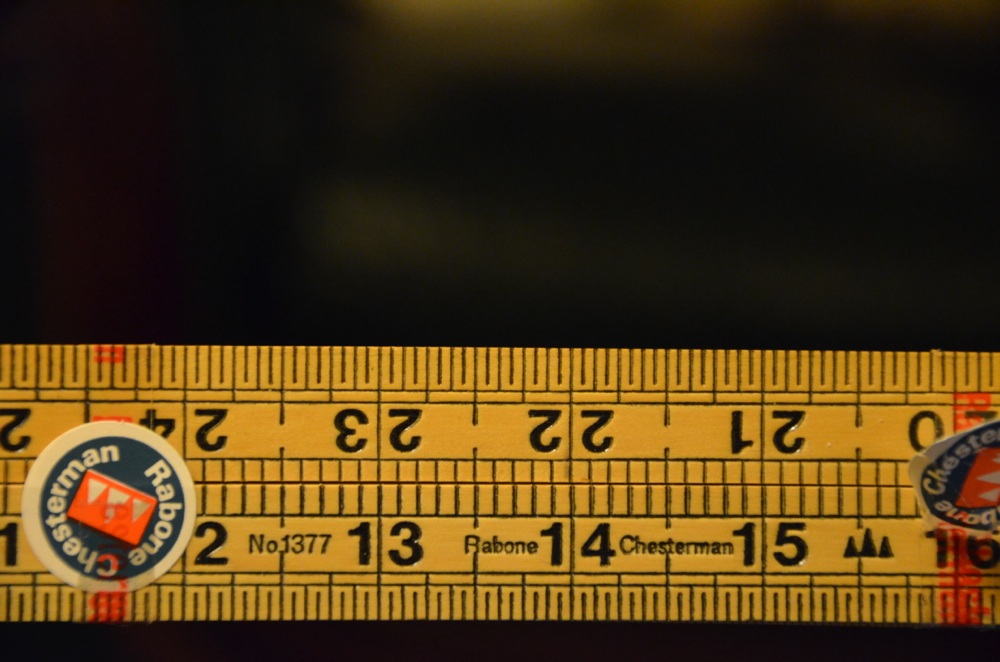
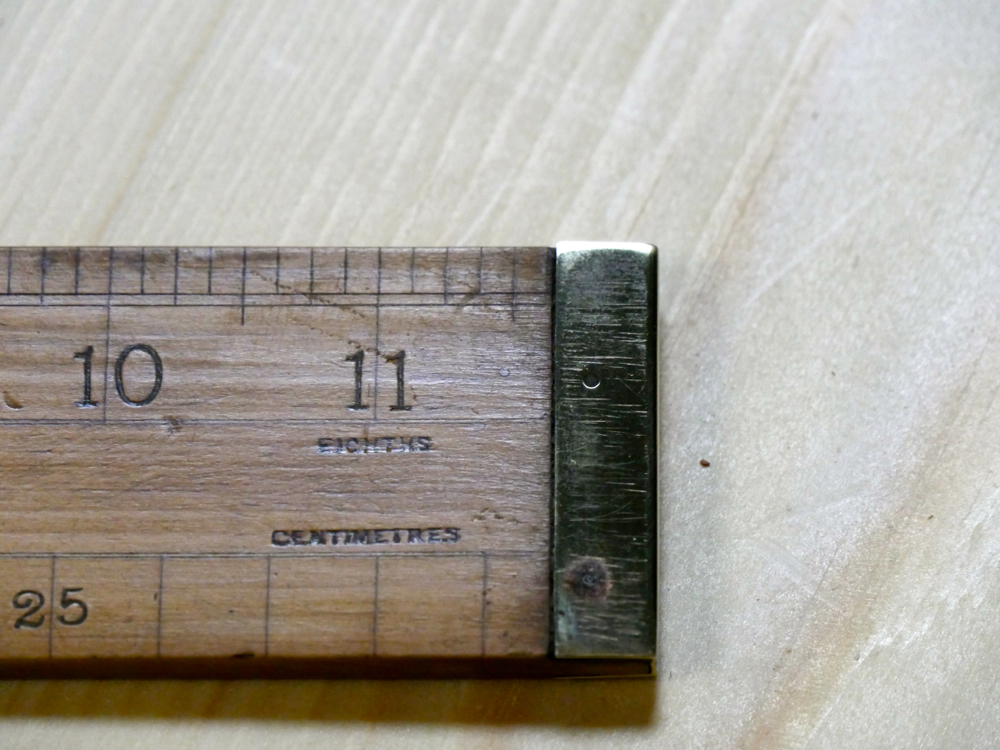
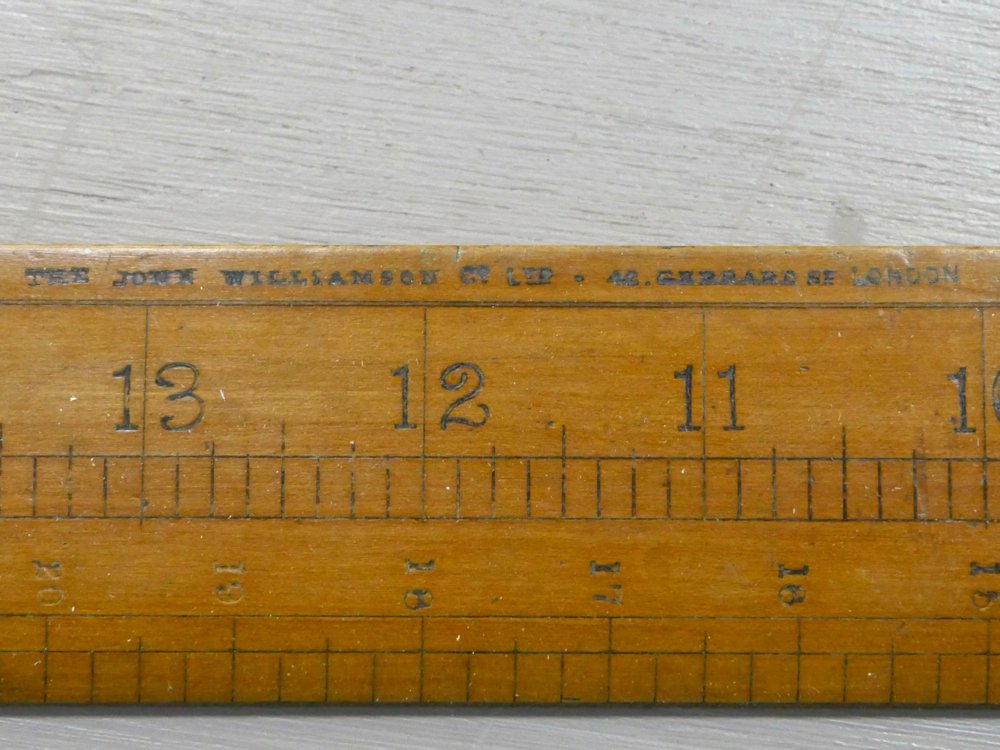
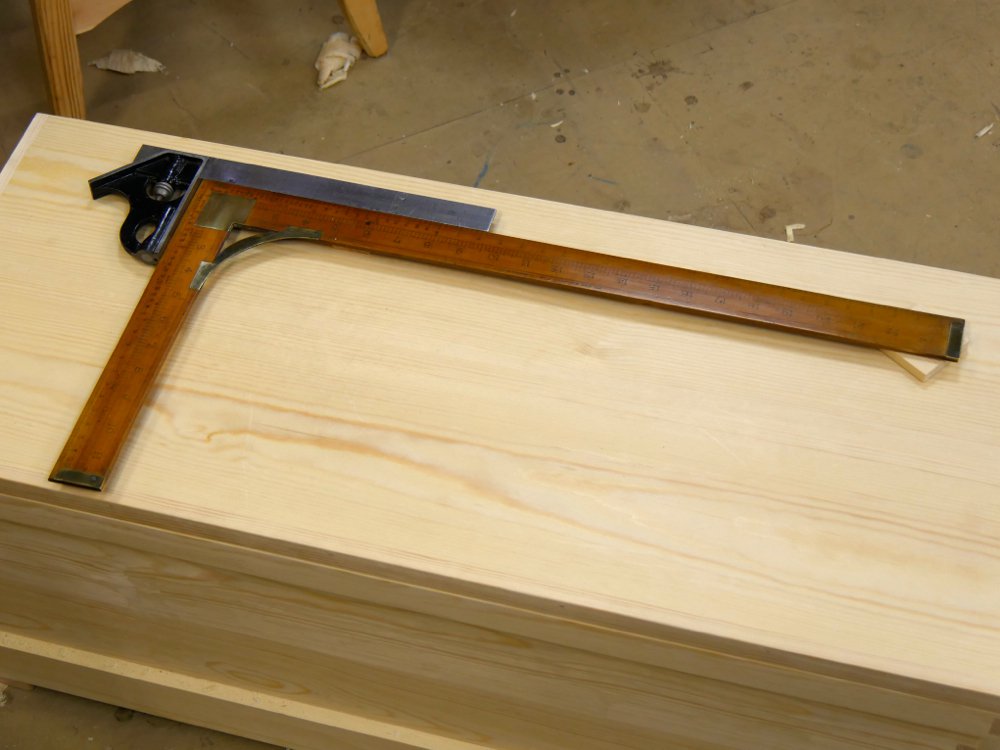
When I was young, from early birth to my early 20’s, I was trained to measure using imperial feet and inches and yards. Metric didn’t figure at all into my education and imperial seemed simple and straight forward. At work I worked to 1/64”, which was tight tolerance enough for all initial joinery and comes close for instrument thicknessing too. I made marks and then cross-referenced my marks for confirmation with my rule. Back then no woodworkers used tapes, or certainly none that I knew. I learned to visualise fractions of feet and fractions of inches and then fractions of one eighth inch increments too about that 1/64”. My Rabone Chesterman, three-foot, four-fold boxwood rule meant a lot to me and I used it minute by minute throughout my days of work full-time for two decades plus. Now I’ve used the same boxwood rule since my 16th birthday but for the past couple of decades I’ve used a short 10’ plastic-cased lightweight tape that slips into my pocket. I like it because it gives me metric and imperial side by side in one tape and I like working in both. I’ve noticed that Europeans, that includes most Brits now, grimace a little if I say I like the accuracy imperial gives me. Then, when I’m with Americans, perhaps in the USA, if I say I like using metric and find it equal in accuracy to imperial, they too grimace a little. My point is that because I worked with an imperial system for 22 years, then changed to a metric one for 22 years, I was equally exposed and equally conversant so as to work interchangeably with no loss. I found equal accuracy levels in both. I switch between both today and have no preference, that is, until I pick up my Rabone Chesterman three-foot foor-fold rule and other beautiful items like the square here. The thing is I like nostalgia for its positive worth - the value it has today and has had throughout my worklife as a full-time craftsman. I like its intrinsic value and the inherency of values that prove as valid today as ever in times past. That's why working with hand tools means much more to me than machines and machine work ever, ever could. You see, both have value, they work well side by side or independently of one another, but hand tools do more, much more for my type of work.
... I now know that the old has a very valid place in our life today
I look at hand tools old and new differently than say many if not most machinists might because I use them every day and therefore because I understand their worth in a different value system. What I like is the independence they give me from machines and then the skill they demand that elevates my game, my sense of well-being in my health and my sense of self-worth in knowing most of what I do and make cannot be paralleled by machine methods. When I look at the numbers slightly misaligned vertically or horizontally, or spacings marginally different, I see the work of a man ten decades past that had perfect rhythm and synchrony.
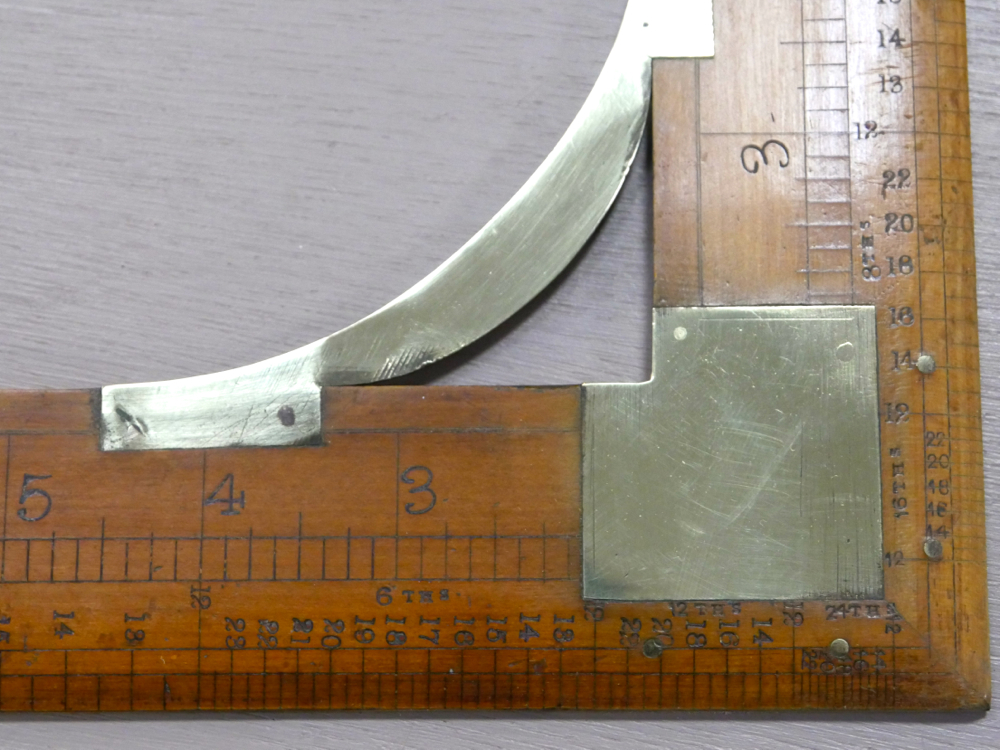
Nostalgia?
It is and I say to myself and others, "So what?" It's not negative at all. I think it reflects textured life, individuality, independence and freedom, clarity and vision. There is nothing wrong with enjoying a hand made wooden wheel on the helm of a sailing yacht or a 300-year old Stradivarius violin — something no machine can as yet match the making of. I was raised in a generation that said things from the past were old-fashioned and non-progressive. I look at a hand made square and a machine square and value both, but the one I truly admire is the one made by a man’s hand.
Comments ()