
eBay Gives Us More Than Cheap Goods
Buying tools on eBay has always proven greatly rewarding for me. I mean it’s rewarding in that I find tools I might not otherwise find without spending endless hours scouring shops, standing at auctions or advertising for old tools in newspapers. We also paid five times the prices we are paying today and we paid the price because we knew that they were worth every penny. In todays cheapened world of global economies, interexchanges of like products, where the advantaged take all the more advantage of the disadvantaged, the true cost of tools is less evident, but we will ultimately pay the real price and in the near future too I predict. What I speak of though I still think of as the good old days. It’s what happened in the late 70’s when I first started hunting and collecting my tools together from antique sources. In those days the cellars of homes of former cabinet makers and joiners were treasure troves for tool collectors and users and just about the only way of sourcing old tools of quality and worth. It was there we entered our personal discovery zones as we scoured catalogs by auction houses for identifying the unknowns, talked with trade history buffs and went to swap meets. Norris planes lay alongside Ebony Ultimatum braces and 16th and 17th century moulding planes by the dozen. Massive toolboxes with creaking lids were stuffed to the brim and history became interesting beyond measure as we dove in amongst the cobwebs and immersed ourselves in the smell of oil and rust and old wood shavings.
I usually don’t pay too much for tools these days, not because I am unwilling to pay more, but because they sell through a system that allows for high volume sales that, as a result, floods the market from its excess. The cellars full of tools slowly surfaced from suffocation and found their way to salesrooms and then onto the eBay auctions. I must credit that to eBay whether I like the system or not. eBay UK gives me what I need for two main reasons; one, I live in the richest antique tool-rich country per capita in the world, two, compared to the rest of the world, Britain is a quite tiny island with no borders to other countries or continents. Most goods travel within a 100 mile radius to any destination and mostly arrive a day after shipping. It’s a good all round service for us here.
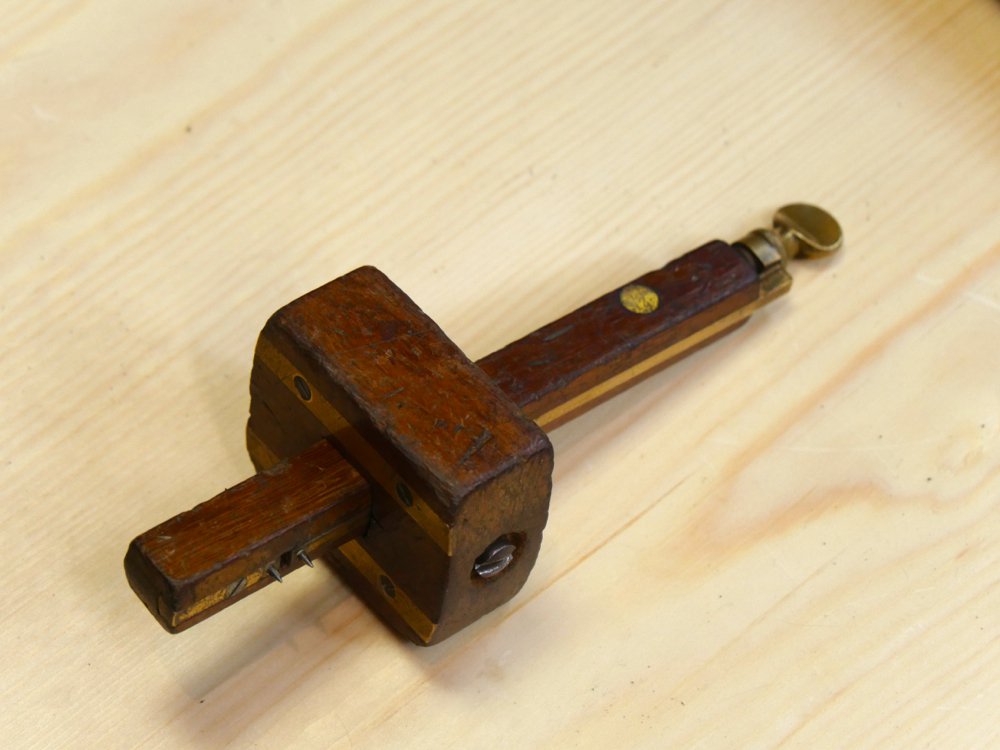
Secondhand tools here are good value for money and especially is this so on eBay. When I search eBay I look for old tools with rare virtues I can’t find in new ones. I also like the rare finds hidden under wrong names. I mean tools with wooden handles like boxwood or rosewood. I look blades with laminated steel blades like old mortise chisels and plane irons that generally surpass modern maker’s tools for hardness and edge retention. I look at the makers name knowing the ones that did this and the ones that didn’t. So these are the good reasons to search on eBay. I bought this old Marples rosewood mortise gauge because it still exudes a quality more modern makers don’t match. Actually, this Am Tech combination gauge made in China is better than UK models and costs somewhere around £6-7. The brass threaded knurled knob on it makes a good replacement for the slotted screw head in my other antique combo gauges, which I don’t really like because their inconvenient except for the fact that they allow tighter access in tight spaces.
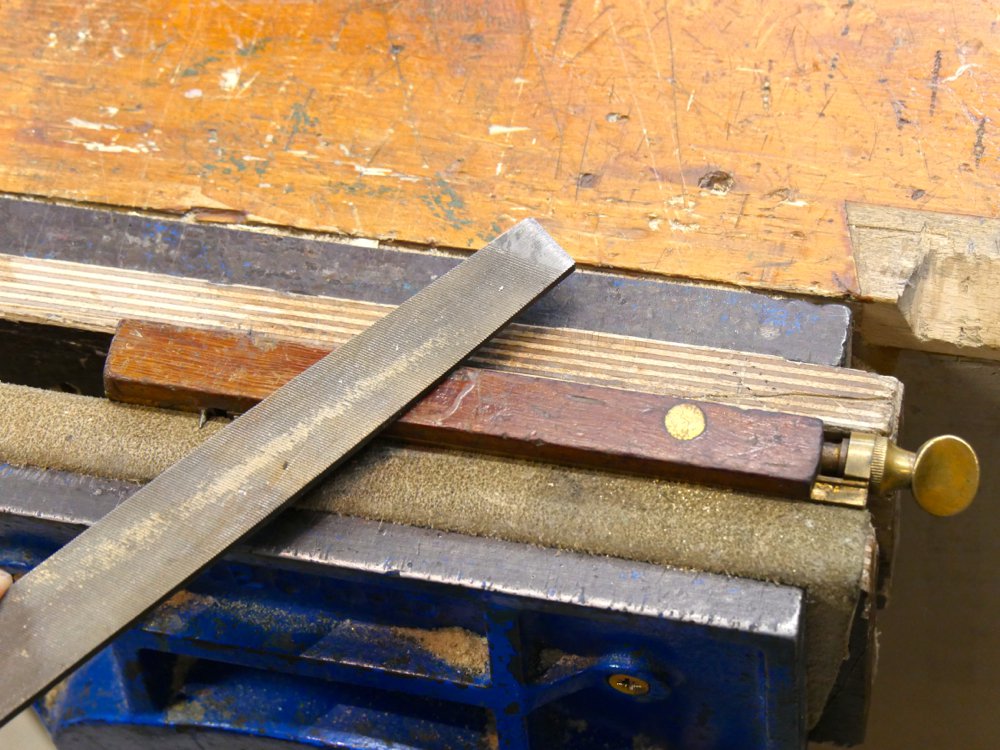
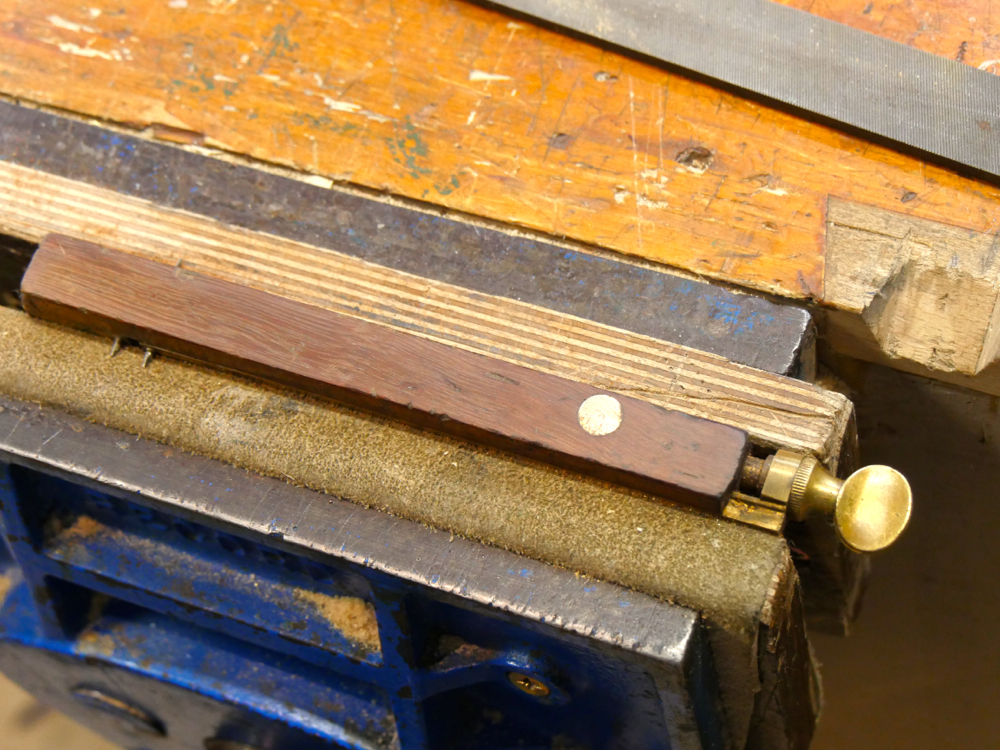
On the early marples version at top I filed off the old finish and removed any defects I didn’t like. Flat, 10” single-cut files work well for this. Every surface gets filed and sanded and then coated with two coats of shellac before light waxing.
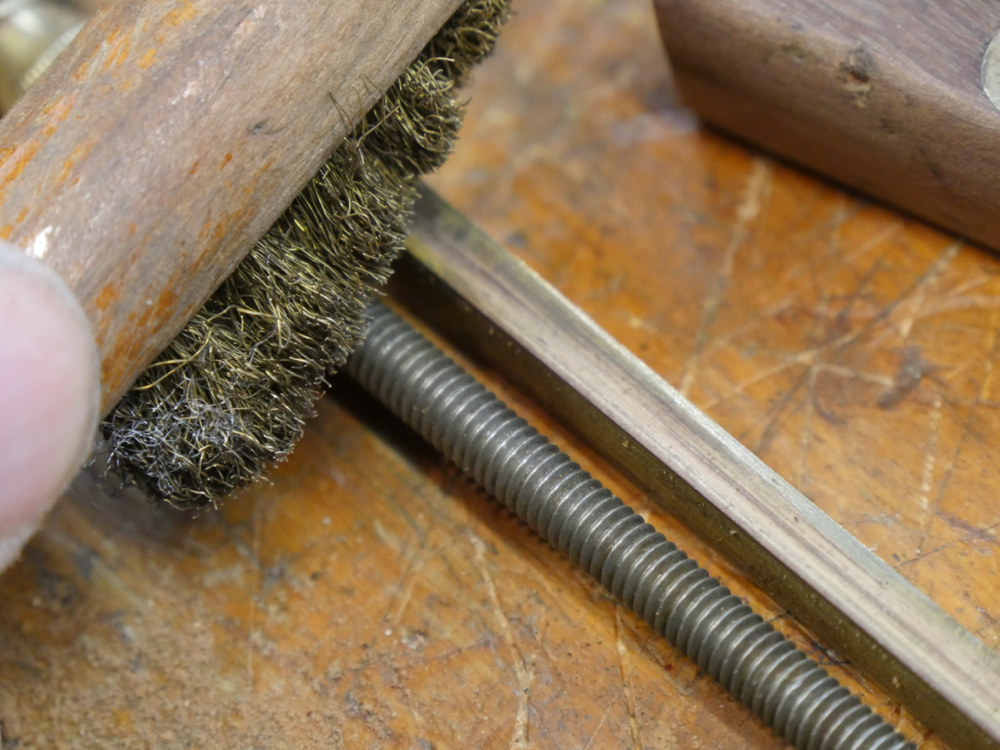
I also cleaned out the threads of the pin adjuster and filed the inside faces of the slide groove. This smoothed the passage and gave free movement to the adjuster. A light sanding overall improved everything as far as feel goes and soon it began to feel like one of my own.
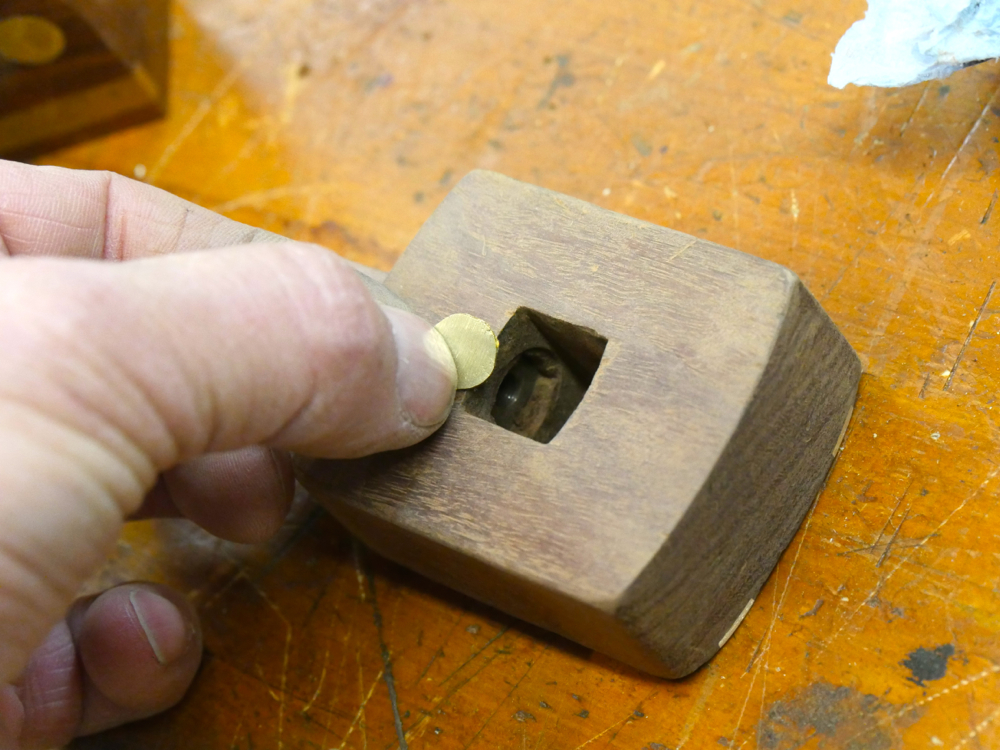
Inside the lock screw should be a small plate and this case it was missing so I made one from a piece of brass plate.
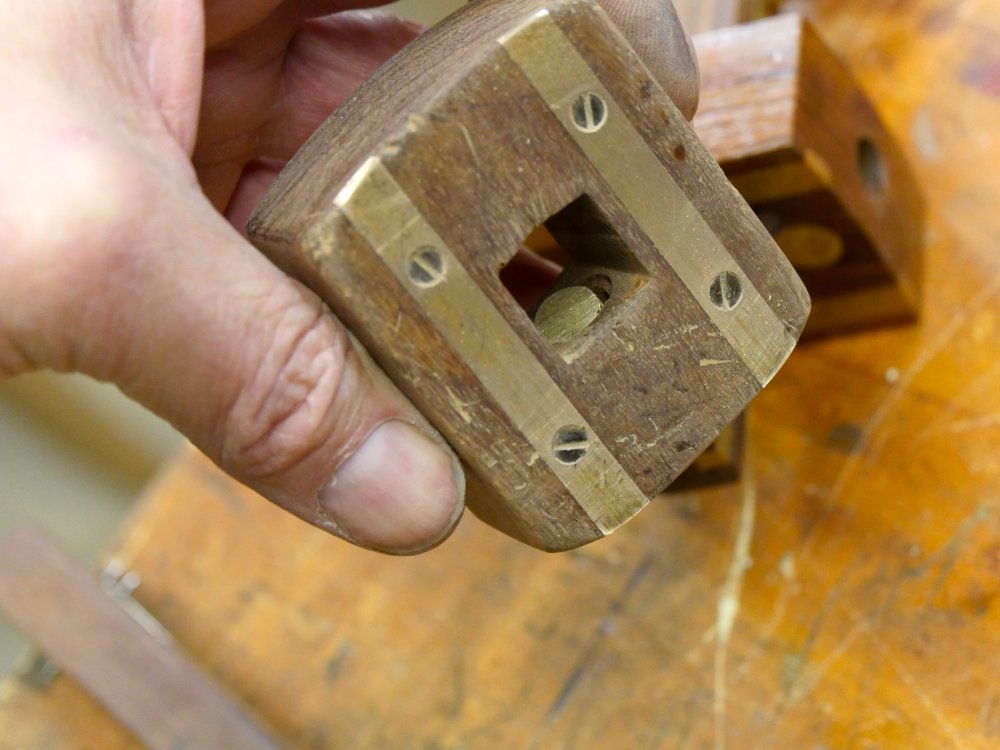
When the work was done it felt and looked better than the import. This is the difference between more modern plantation grown rosewood and old, virgin growth from the late 1800s. there is a fineness about the old models when compared to UK and Asian versions on the market today.
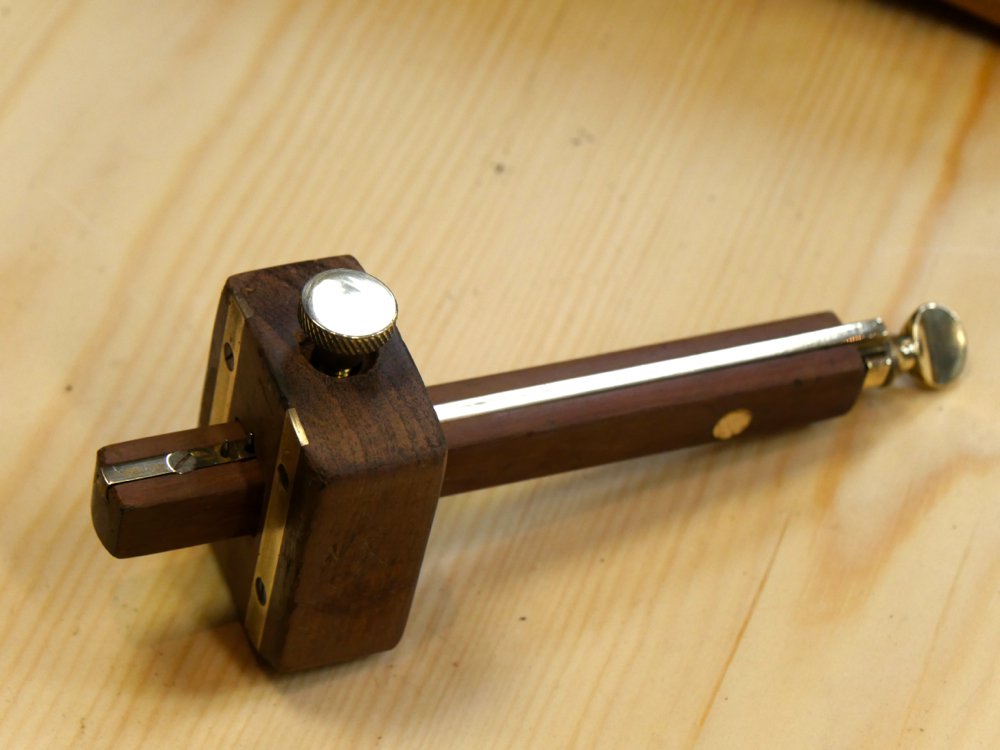
Here is how it looked after I was finished.
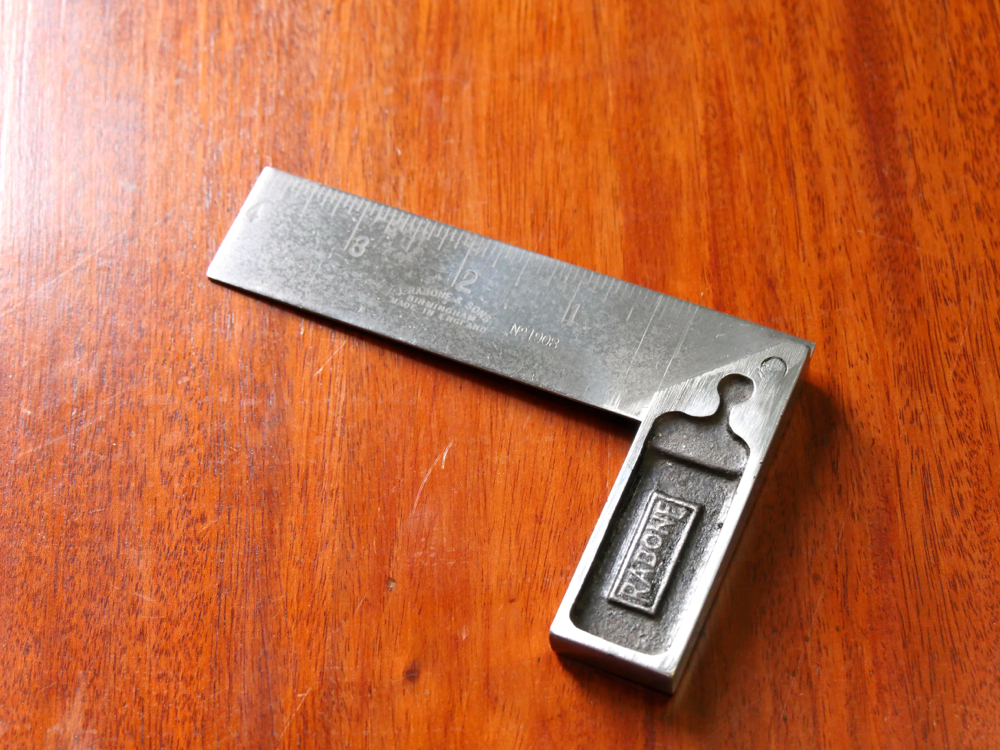
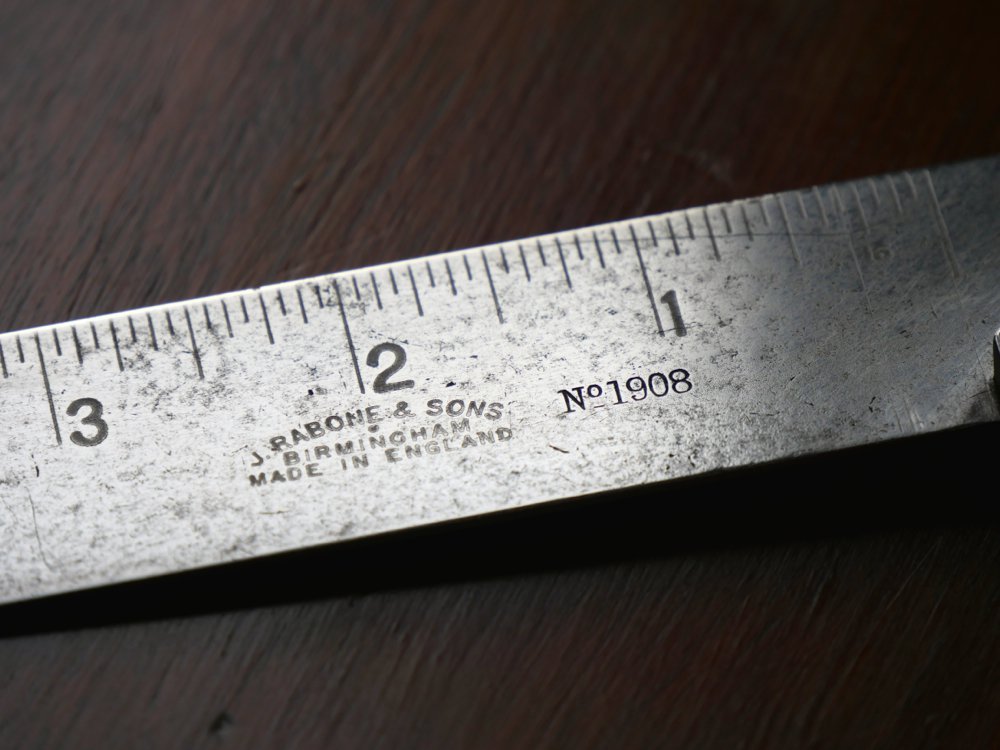
This Rabone square is one I bought that I resurfaced and squared to Starrett perfection levels of of accuracy. I like this series and I was missing the this size. Where would I have found it without eBay?
Comments ()