
Closing Out On My Bench Fitments
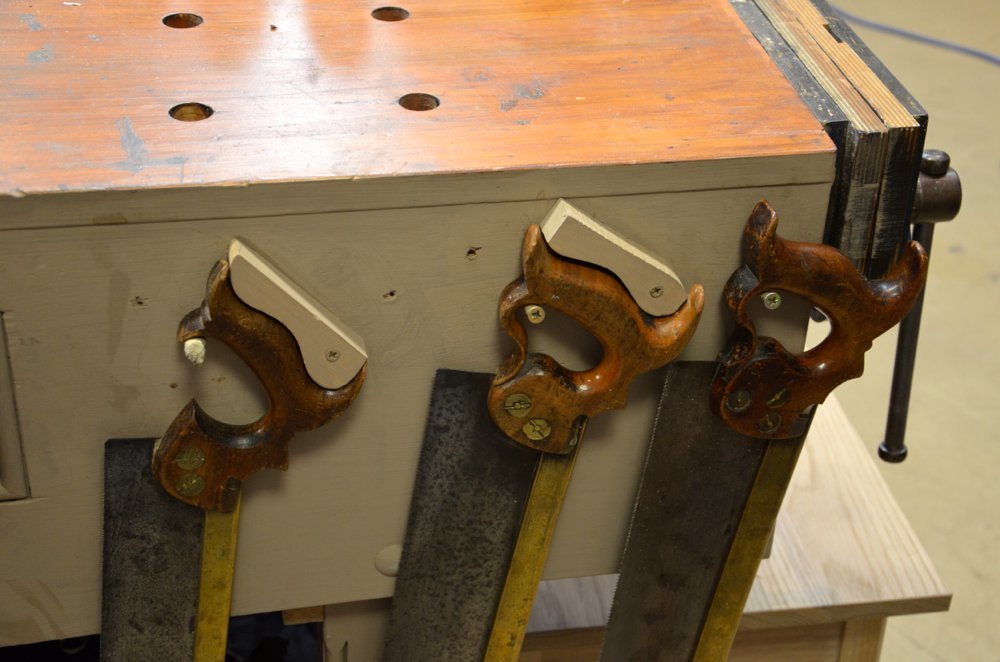
To perhaps close out my workbench series on the bench I currently use I thought you might want some close ups of some things I particularly think makes my work easier. Many of you tell me that you want the inside jaw of your vise flush with the face edge of the bench and that seems fine to me, but I have never found a single advantage to this whereas there are several advantages to having the vise a step forward go the edge. I have answered the hundred or so questions asking on this and the simple answer is that I can grip my materials underhand or overhand with one hand and tighten and loosen the vise grip with full support to the work. More than that, I can hang my tenon saws where I want them and where they are the very handiest I have found them to be.
Notice the swivelling retainers. The lighter saws benefit from this and stop the saws from lifting of the wrapped screws. I don’t want hooks as such because of the lift and pull action. I want something that slips on and off and this works for me. The 14” brass backed saw is much heavier and never falls off through bounce from banging.
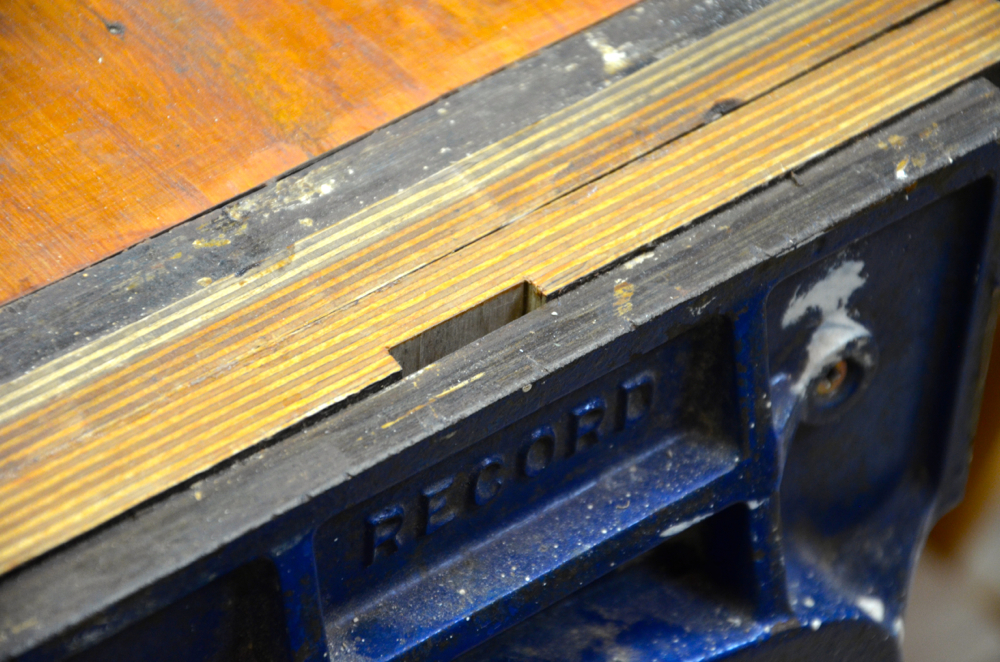
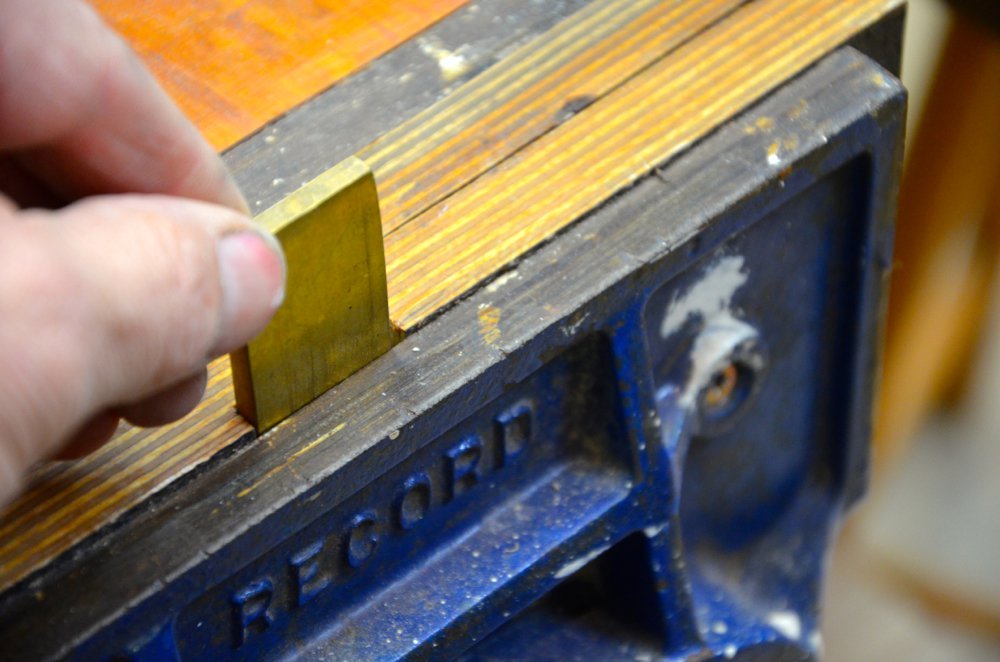
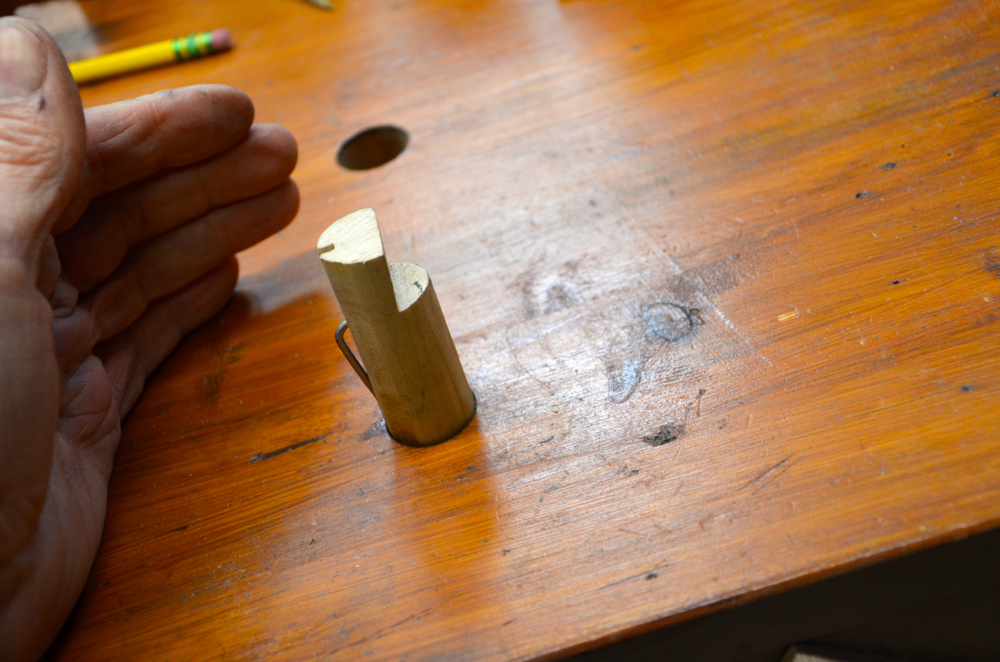
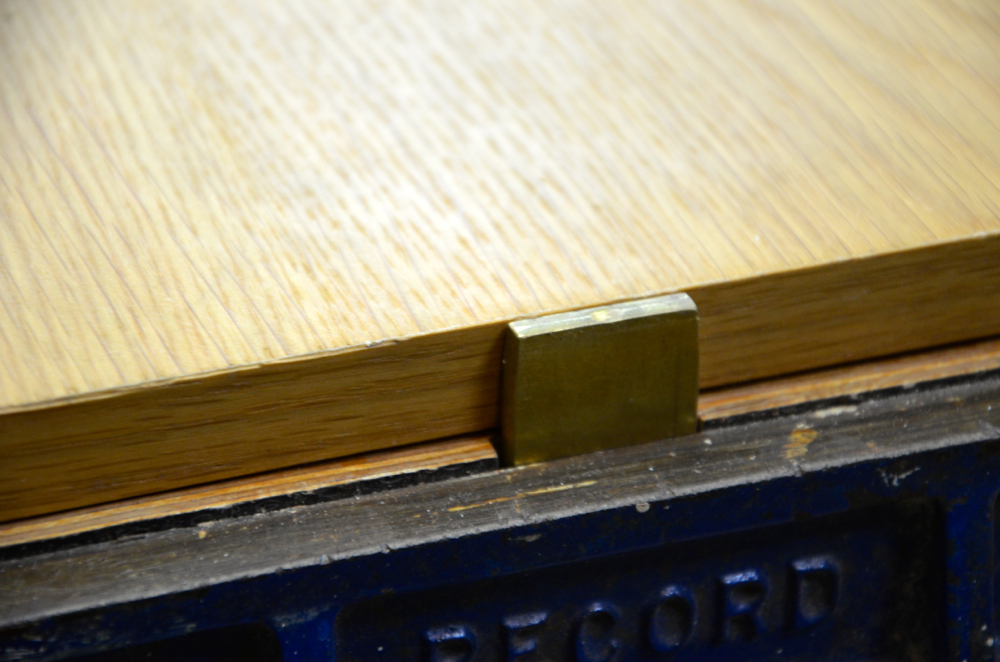
The tail vise is there. I still have found almost zero use for it, but people seem to feel there’s something missing and they trust me more if it’s there. I put it there to show that it could be put there if people feel it will benefit them. This vise was born in sheffield without the slide-up dog and I retrofitted the wooden liner with a groove that receives a 6mm by 30mm by 110mm long brass bar. This works as well as the factory fitted one so I no longer look for vises with dogs. I did do a blog on making wooden dogs with a spring wire fitted like the ones shown here. These work well; pity I don’t need them. The vise itself is of course another secondhand Record vise; one of those superior ones from the pre 1990’s.
I keep my most used planes on my benchtop on the far opposite corner from my main working vise. Here they line up well. Two jacks, and the remainder are smoothers with different setting depths or a simple scrub plane.
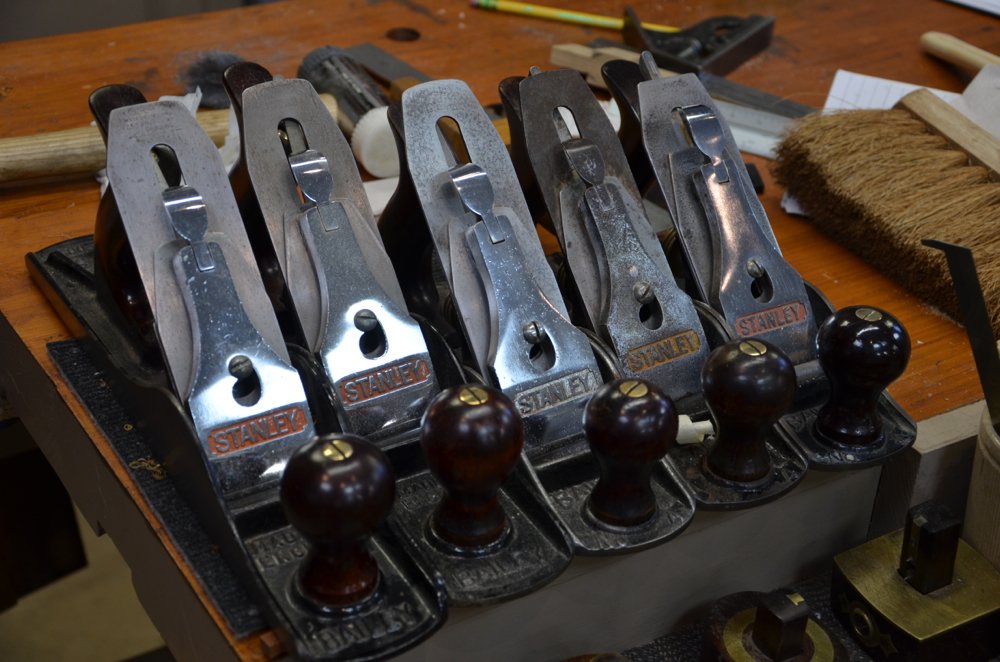
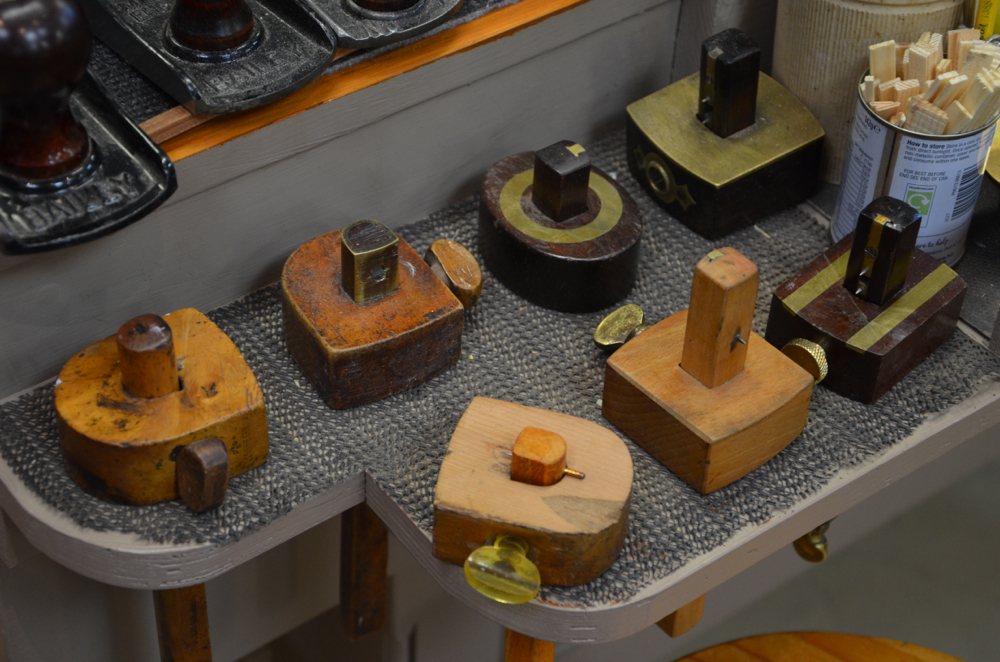
Next to these I like a few daily use gauges of different types. I have one slitting gauge, three combination or mortise gauges and then i have common marking gauges.
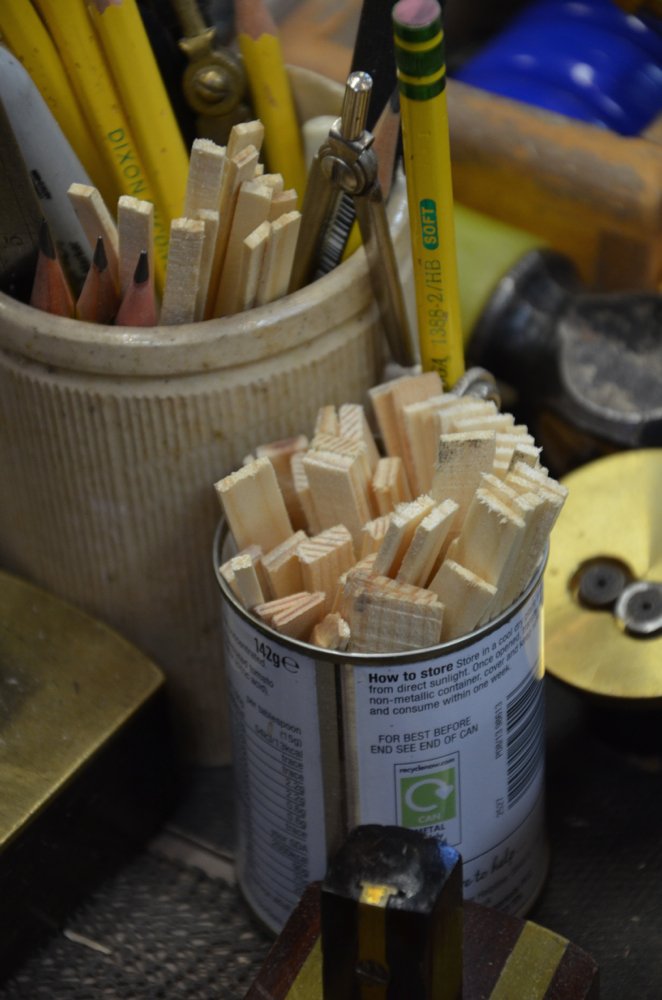
The old jam jar holds different pencils, rules, sticks, felt tip pens and so on. Next to that is a tin can filled with glue sticks. When I demo hand sawing I often cut several cuts next to one another and then I cut them to length and have 30 glue sticks ready to go as needed.
Around the vise
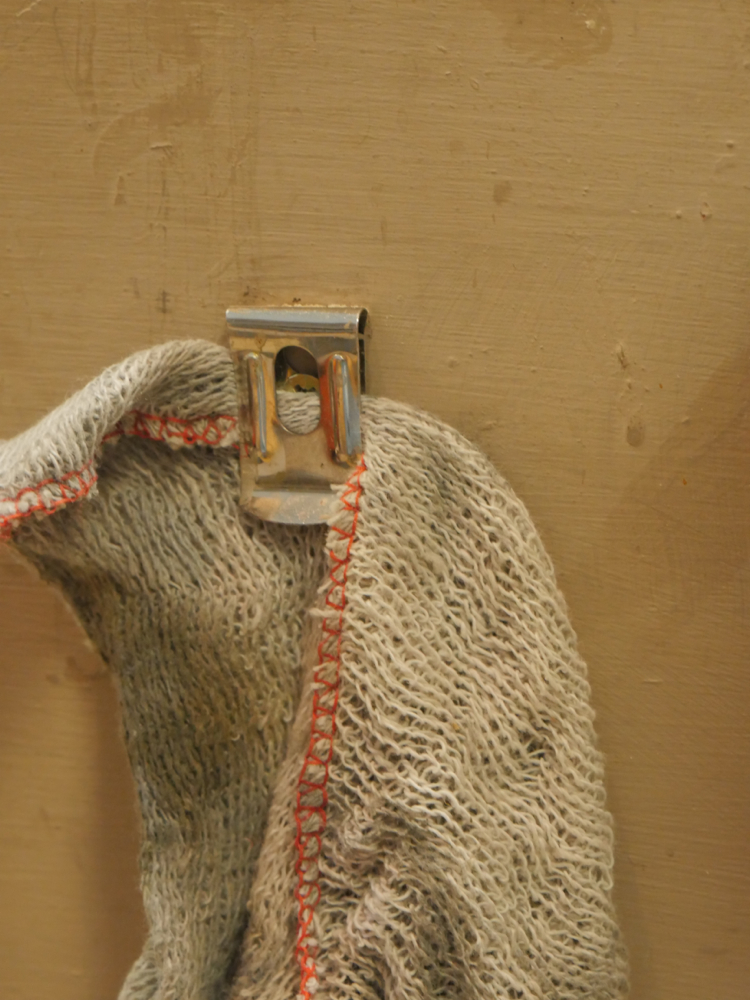
The risk of damaging furniture by using a tape clipped to a belt is too high so we furniture makers generally don't carry them as a carpenter might. I usually take the clip off and screw it to my bench and use it for a shop rag holder when filming.
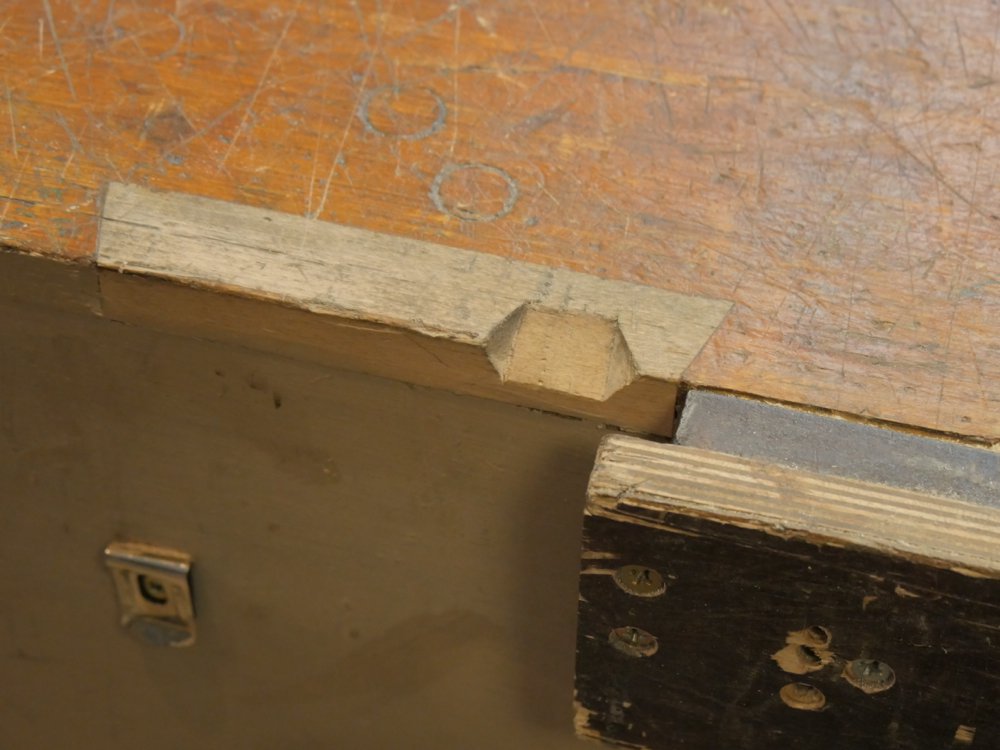
One of my better ideas is the insertion of hardwood blocks and chamfering out a recess to the corner. The recess gives me much more cutting depth with the tenon saw and i rarely ever catch it.
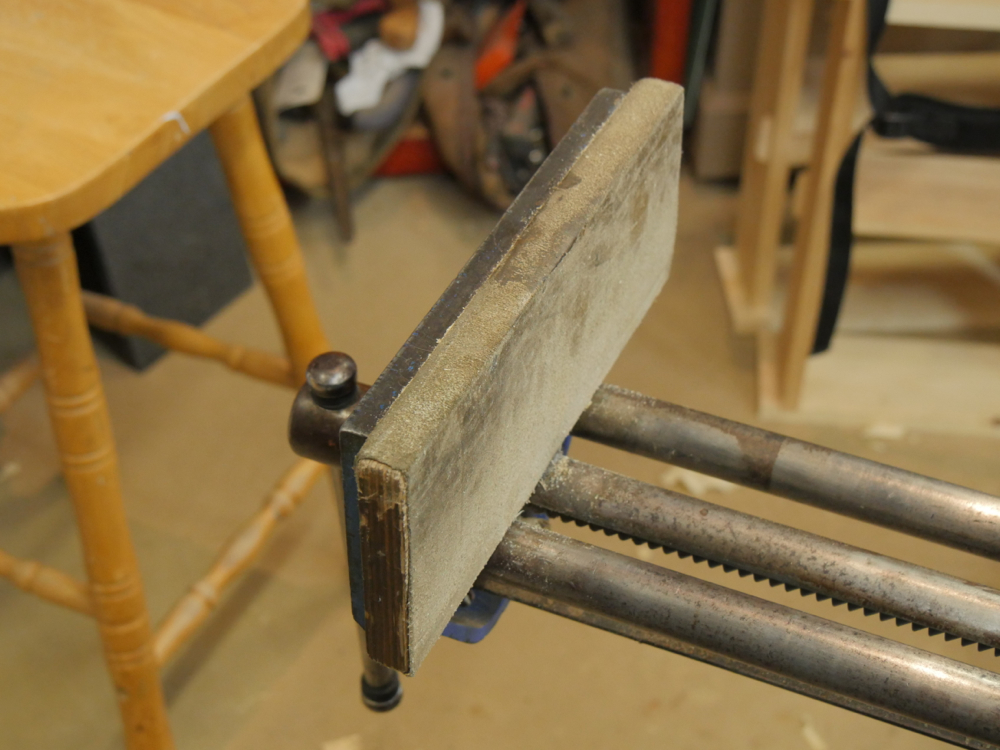
The leather in one jaw of the vise works well to increase grip without over tightening or the need for too much cinching on the vise to hold the work.
Comments ()