
Questions Answered - Box-storing a Combination Square
I thought that this question was interesting and of interest in terms of what do you do with a treasured square.
Question:
I just bought a Starrett combination square and I want to keep it safe apart from using it at work. How do you keep your square safe? Perhaps is there a nice little box or something like that? I often read that a drop on the floor isn’t good for the accuracy.
Someone responded by saying, “Why don’t you make a box for it? Not rocket science – ply and glue, thin foam interior optional.” . Of course he could. Fact is though, it does depend on your individual circumstances.
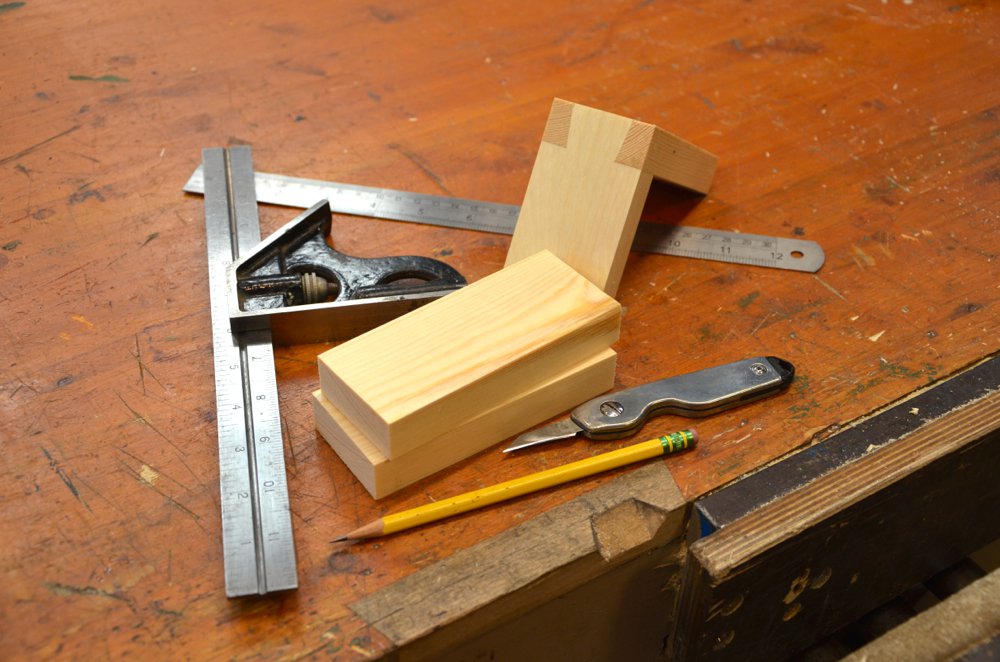
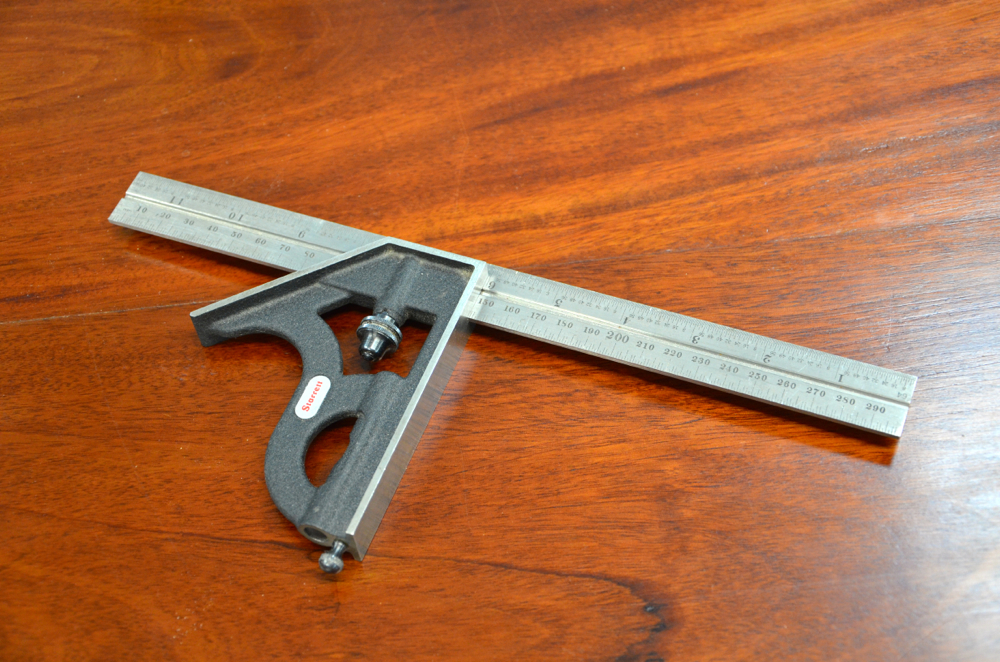
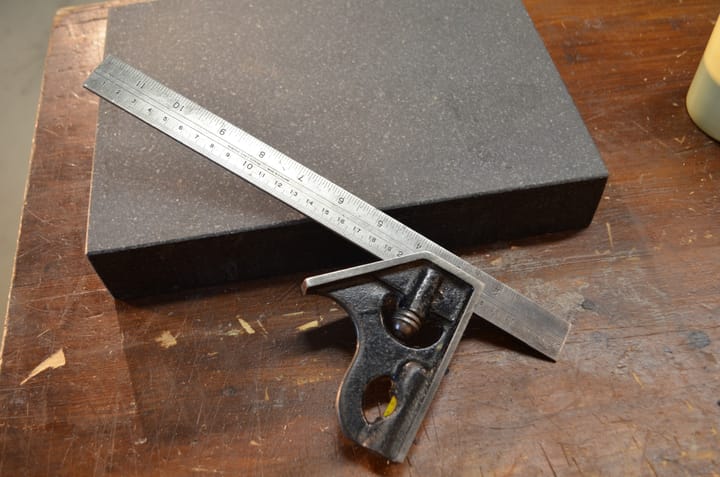
I have used a Rabone Chesterman combination square for 50 years, the same one I mean, and it’s still accurate and serves me well even though it’s been dropped from time to time and I wince when it does. For me it’s impractical not to have my square on the benchtop and accessible every minute of the day. The well in the bench really keeps it safe much of the time and that’s partly why I prefer benches with a well in them over flat tops. A box for a full-time woodworker like myself would be useless really as we use them minute by minute for layout, creating knifewalls and checking the work periodically. If it’s not going to be used for a week or so I put it in a till in my toolbox and it stays there until needed.
Most of us like to make boxes for tools and for some little used tools I think that can work, plough planes and irons and such, but not the square. Of course if you are using the square once a week and want to protect it from damp and so on a box with rust inhibiting flake sachets work best.
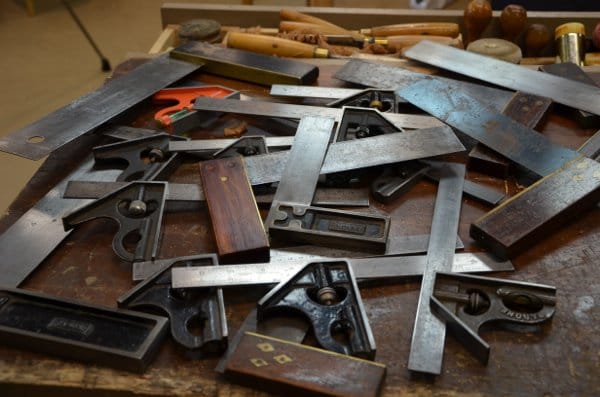
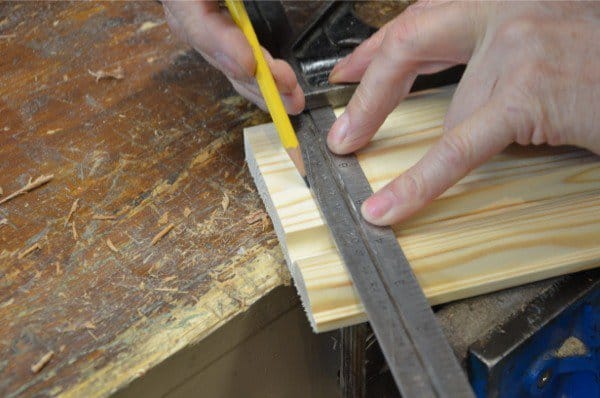
Comments ()