
Filming the Toolbox Making Videos
Working on the toolbox build
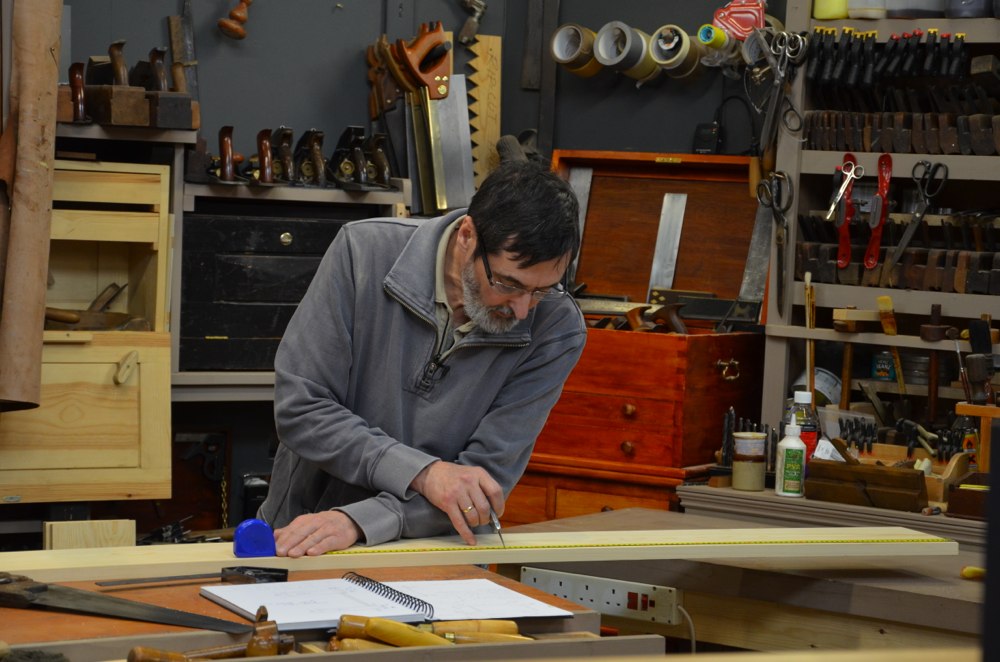
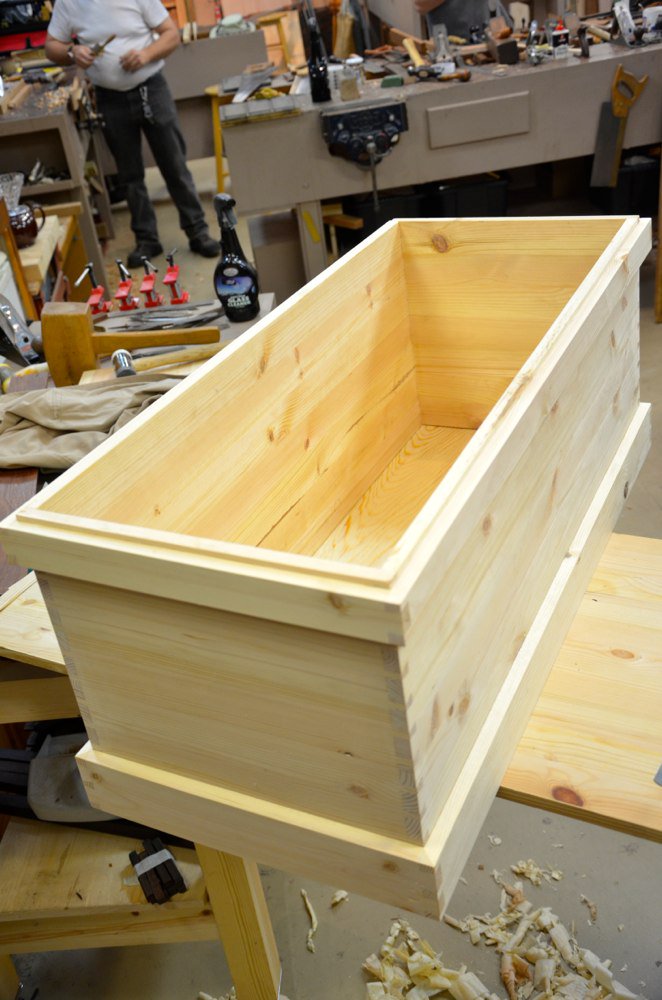
Yesterday and today we filmed making the toolbox for the start to the New Year series to start 2015 with. I have a feeling that this could be as popular a series as any we have done so far and as far as conservation goes it's important to me as it means hundreds of them will be made over the coming months. If you follow me as I build this toolbox you will see that the patterns used offer a simplicity and ease in the making that will inspire you to want to build one too. This toolbox is really more useful for storage and transporting tools and that's where this type truly comes into its own. The functional size makes it neat and useful and of course the insides can be customised to the tools you use for different aspects of your personal woodworking. I think it’s the kind of box you might want to make two or three of so that the tools are indeed totally accessible. I have more toolboxes, chests and so on than I care to number because of the number of tools I have collected through the years, but soon we will work out how we want to let one or two of them goto new homes.
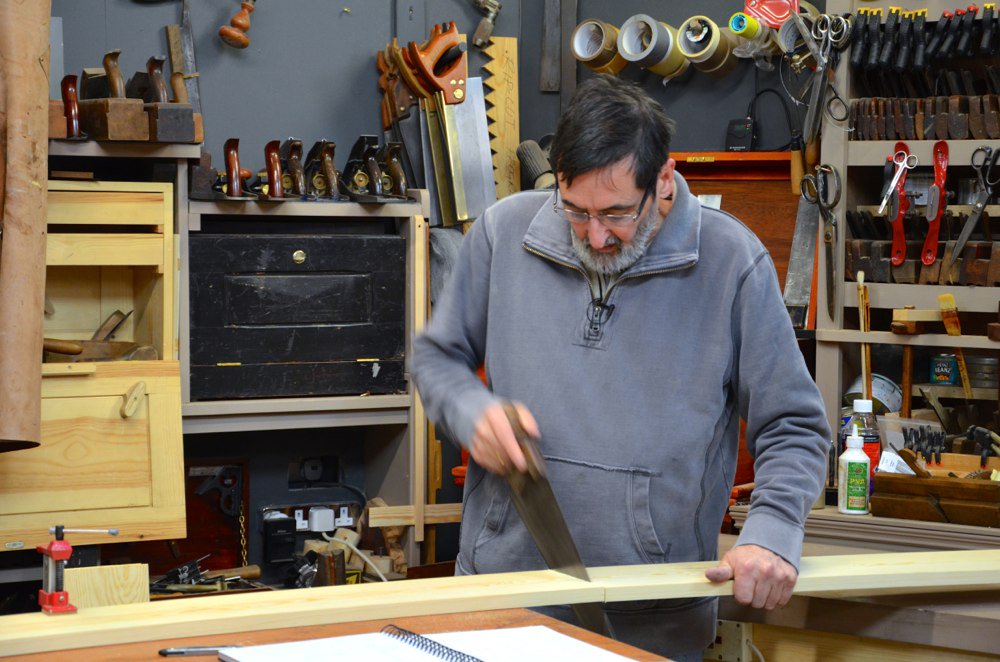
The filming went well because of the behind the scenes guys that do indeed make it all happen. It’s a workout for me to take off 1/4” from 12 square feet of wood even if it’s pine but exercise is of course good for me and it gets my heart pumping for an hour or two every day. Though I do exercise diligently, I find it boring, but when it’s work related I can muscle for two or three hours and feel as though I am accomplishing something so much more.
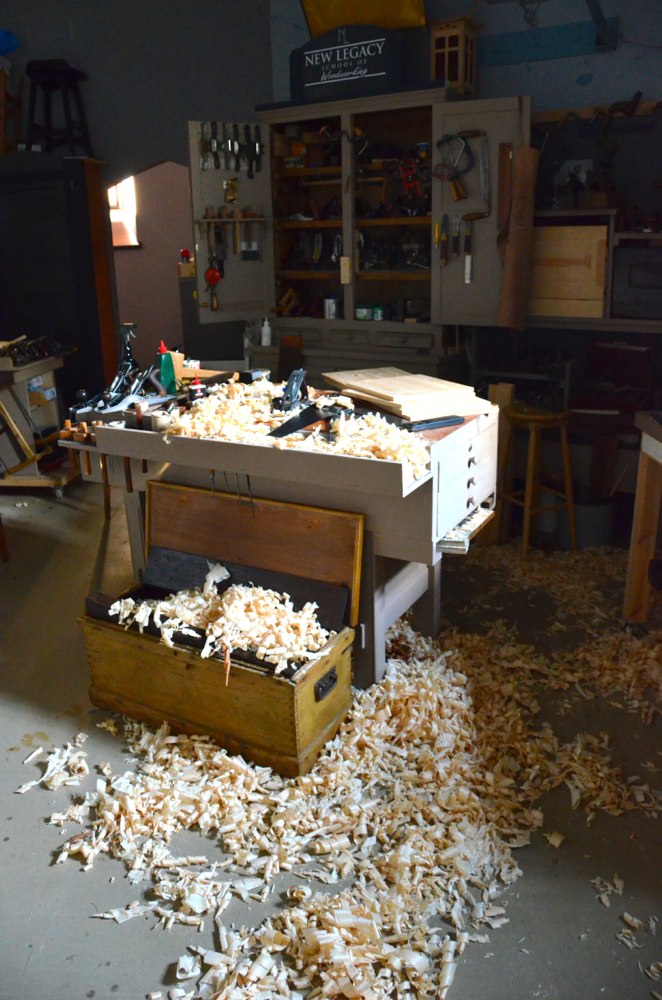
My stock is now milled to thickness and that generally means that I planed and jointed all of my boards by hand, planed the edges and endgrain square with scrub planes, a #4 smoother and a #5 jack. I did use some wooden planes and of course these are much lighter and easier to use than metal-soled planes anyway.
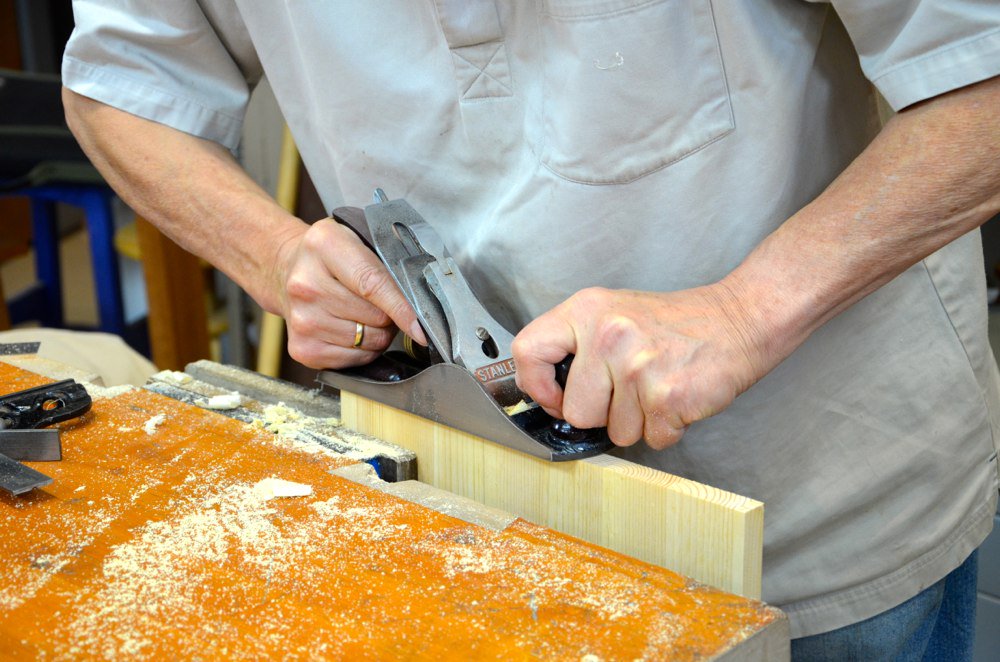
In the morning I will lay out the boards for dovetailing the corners using different methods for each corner to make the videos more interesting and to show some of the historical methods used that made dovetailing the corners of a box like this so fast. The fast method means one corner will take about 20 minutes so we’ll show how that is done; and, no, it’s not the coping saw method.
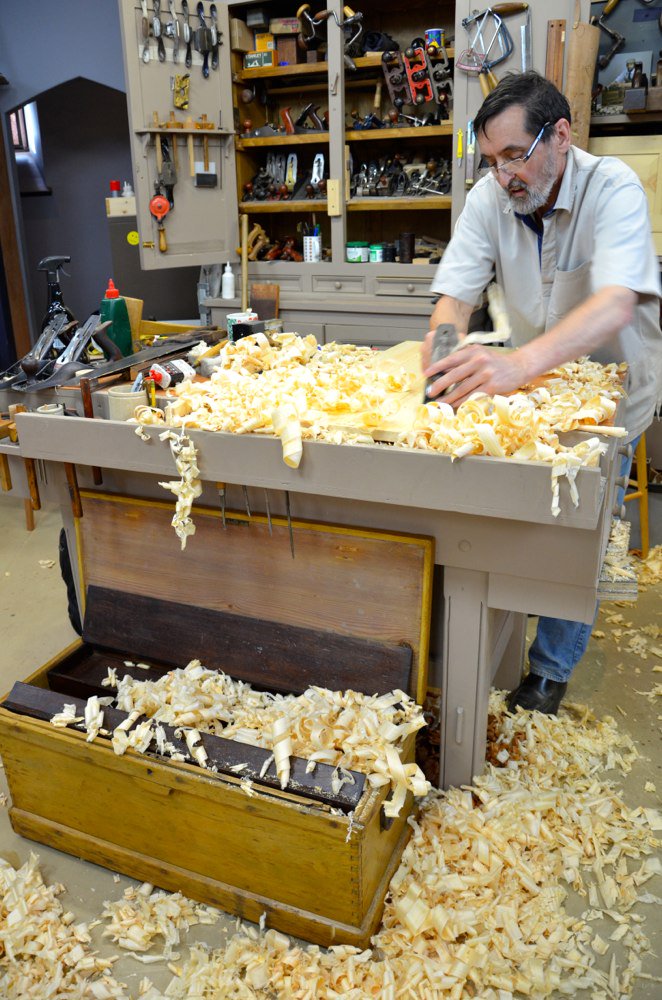
As I said, we will be unpacking the methods and the madness behind making strong yet lightweight and transportable toolboxes. Weighing in at around 12.5 Kilos (30 lbs), this box is one of the most useful because even when filled with tools it can usually be lifted by two people.


Comments ()