
Ending An Apprenticeship Marks a New Life In Artisanry
Sometimes, when things seem to be ending...
...you start to see it's only just beginning.
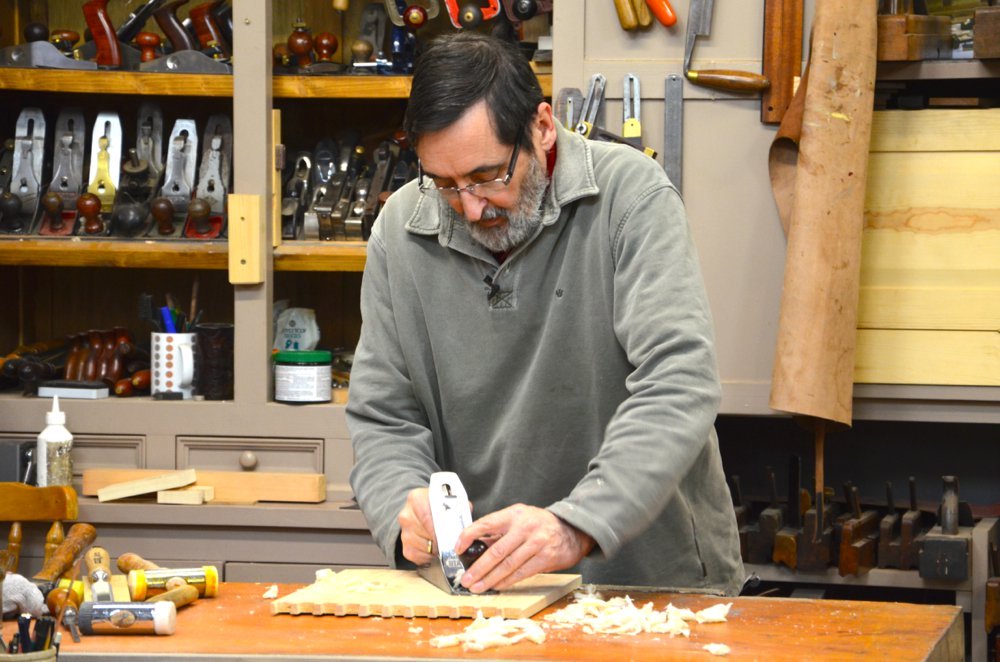
In some ways I have been in this place before. Training an apprentice can be hard. You take in a young man and work with him. He learns and becomes smart. You work with him some more and he becomes smarter than you and before you know it he's learned to fly his own plane. In just a few days I have been forewarning you that my apprentice and friend John Winter returns to Patagonia. He is no longer an apprentice but more a journeyman setting out fully equipped and able to travel forward into his new life as a craftsman.
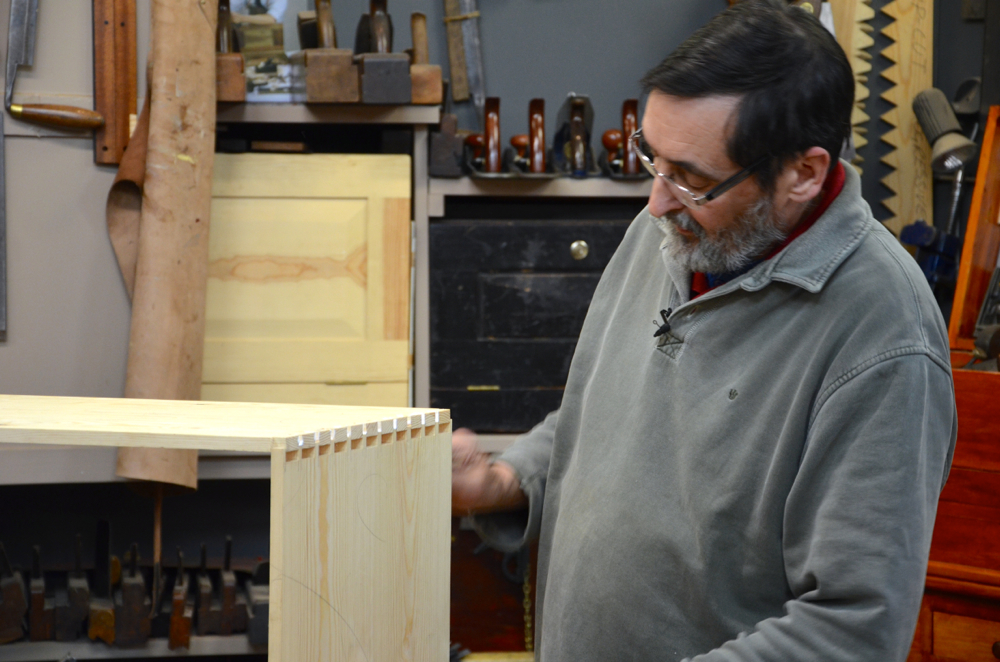
My dovetails fit perfectly with no flawed lines or alignments. I expect that and they always do. Having made about many dozens of thousands they should be. I use no guides and they need no chiseling after the saw cuts to make them fit. Of course pine compresses differently to walnut and cherry and especially other hard, dense-grained woods like rosewood or cocobolo, so these are perhaps the easiest of all. Herein lies one subtle difference between machine cut joints and hand tools and it’s one most people including 99% of woodworkers who use machines for their joinery miss. Using hand tools allows me to micro-adjust the tolerances between the components so that I take full advantage of the natural properties of the different species and indeed the different densities of wood within the wood type itself too. The wood adjacent to knots is denser than the regular straight grain of knot-free wood. I again adjust for this in my joinery too, especially around dovetails and such.
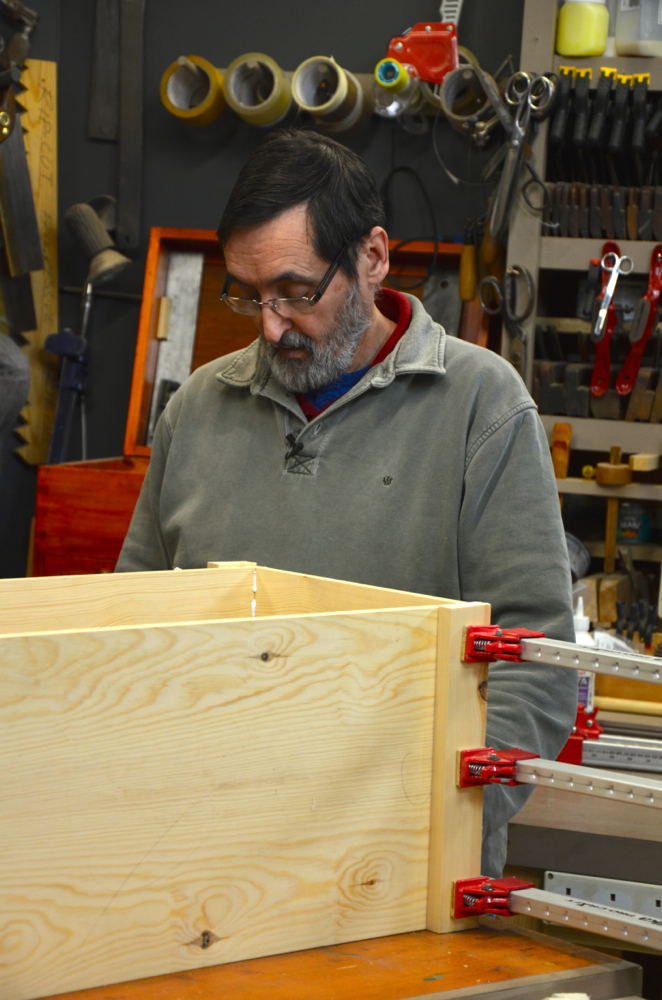
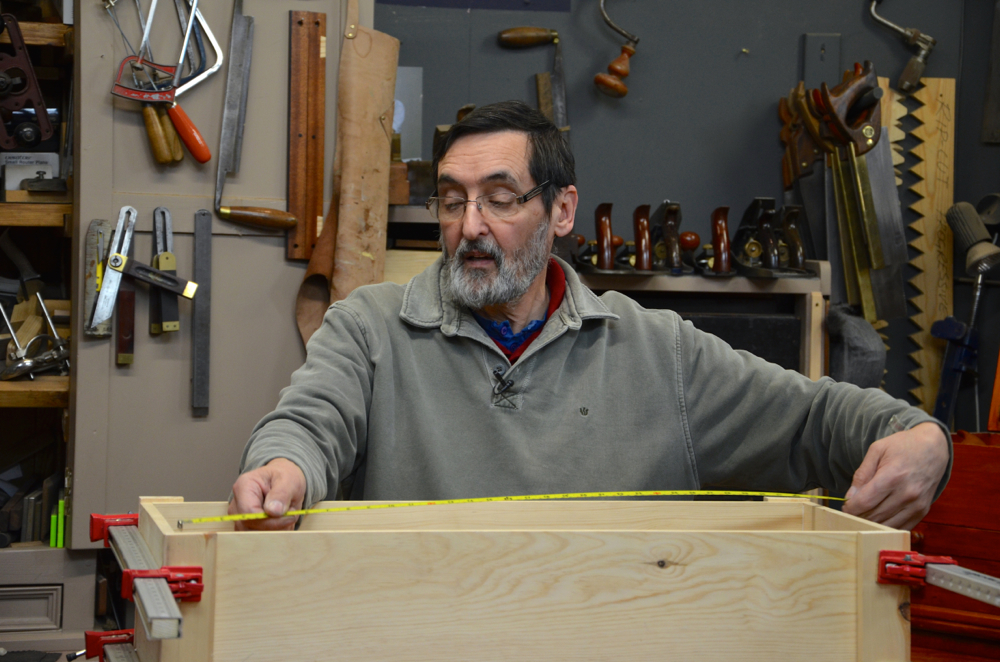
Filming the current series of the toolbox build obviously entails thinking ahead and having made so many such boxes through the years, compared to others, this box is an excellent starter project for new woodworkers. That is as long as you know a couple of tricks of the trade to settle the joints and seat them solidly in the glue up. Here is the issue; working with pine is much different than many if not all the hardwoods. Generally, hardwoods have growth rings in the same way softwoods do. The difference is that hardwoods are more evenly dense across the individual growth rings and across the periods of growth when more rapid growth takes place over longer periods as in times when there were droughts or heavy rain and good warmth during a period of growth. In other words, when plantation grown woods grow without canopy and over say a 50 year span, you might have two decades of good and steady rain and warmth that caused more rapid growth. The expanse of wood in this growth period shows in the growth rings and you will find the softer spring and summer growth say in softwoods such as pine and spruce, fir and so on, is generally softer on average so that the growth that took place either side of that faster growth might be as much as half the growth and the growth rings are much tighter and the discrepancy of hardness between the hard and softer aspect much less. Months or even years later, when, we are cutting our joints,this varied density can influence our decisions as we cut the dovetails. Interesting, I think. So, when we glue up we recognise problem areas resulting from the absorption of moisture from the glue. We also recognise that joints need a little lead in to stop grain from collapsing under the pressure. These are what we address in the films and it's important when you have large multiples of dovetails all swelling at the same time.
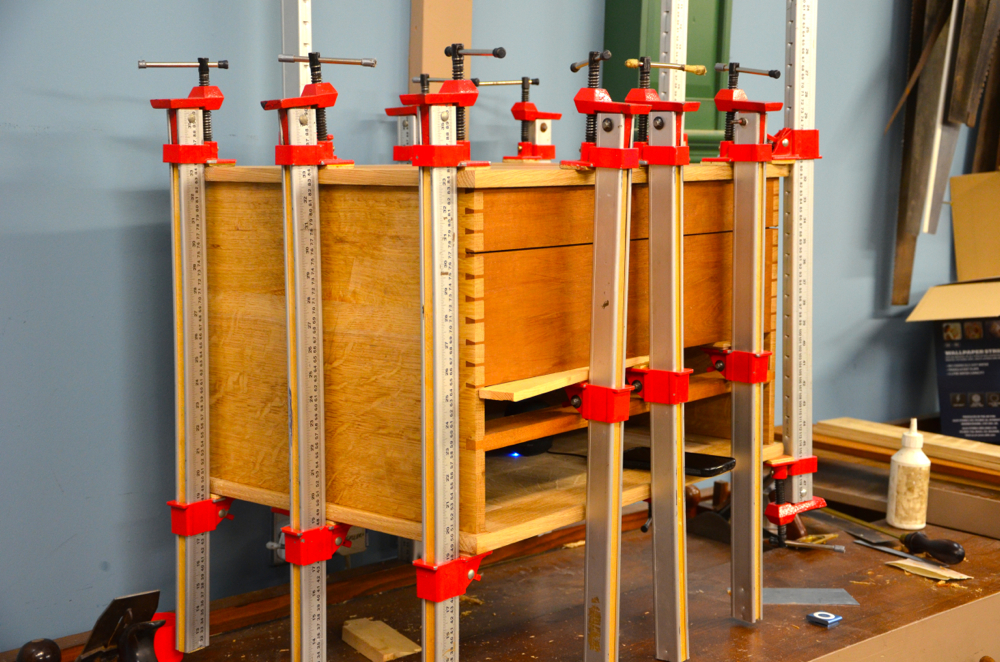
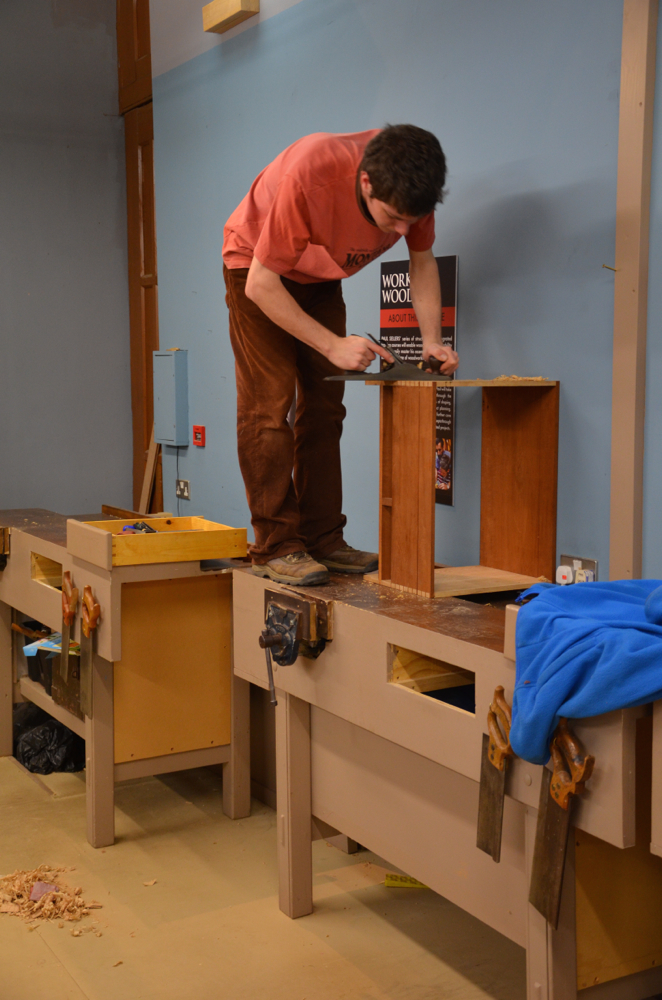
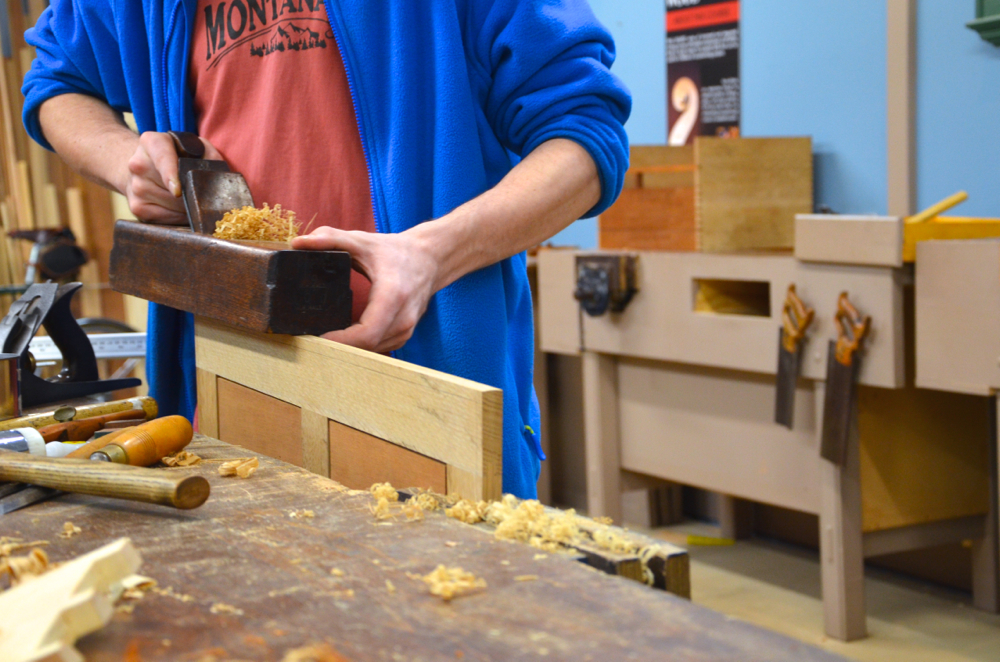
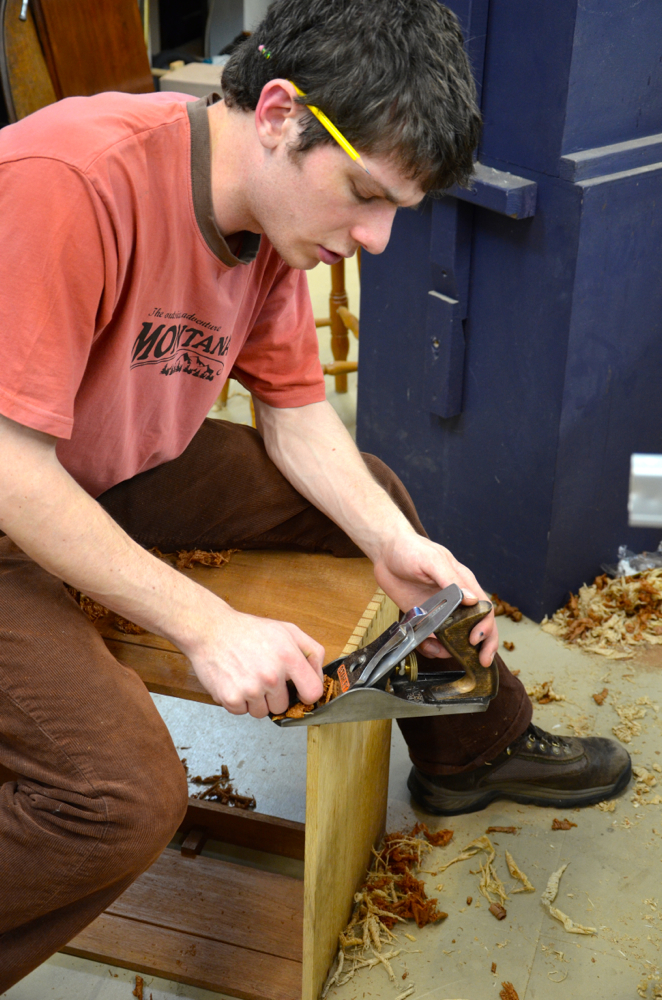
As John Winter has been making his joints, I too have been making mine in the last toolbox we make in the actual filming of the project. He planes his joints and I plane mine. He kneels on the floor and straddles his box, or climbs atop the bench (health and safety freakout) whilst I work out my strategy on the benchtop and in the vise. His outside is more complex to plane whereas mine is much simpler. Pine is more prone to tear than are hardwoods like oak and mahogany, but we both get there and the boxes both are look good now as they near completion and the marks are all planed off. My dovetails were of course easier to work. In a couple of hours I was done and the glue up went quickly as we filmed them closing. Next we add the protective trim to the skirting and rim and this is an amazing transformation of rigidity to the overall. That's the next filming session. In the meantime I have a six-day class starting on Monday. I'm looking forward to this as it's already full of enthusiastic people wanting to learn.
Comments ()