
Are We Obsessing About Sharpening Edge Tools?
I have come to the conclusion that we went through a phase of several decades where people were trained to follow a sort of legality leading to almost obsessing over sharpening without fully realising the criteria we should be perhaps aiming for. As a young apprentice my mentoring craftsman would repeatedly say, “Sharpen up, lad!”, throughout any given day. I dutifully sharpened up on two stones to around 600-grit and got back to task after stropping the burr from the edge on the palm of my hand. My plane never faltered, protested or chattered and the work I did became more and more acceptable through the years. Today I sharpen to higher levels of fineness and encourage others to do the same. That said, I don’t think I am obsessive so much as practical and my practical knowledge comes from my work, not what someone told me or wrote about or showed on a film. My sharpening levels developed through fifty years of sharpening 20-30 times in a day. Evolutionary sharpening has left me knowing my work gets done in a practical way and now it is unlikely that I will change.
We live in a woodworking culture of much head knowledge that has less and less of an application to real life and that might mean real woodworking too. We live in a culture where the shaving has become as much if not more the goal and not the levelled surface or the finished adjustment to the wood being planed. This can lead to a strange and artificial culture that has less a link to working wood as a job or to getting the actual job done in a timely order. My thought is that most people may not be aware that this changes the dynamism of woodworking because they don’t actually work wood for a living but more because they love working wood, using the tools and stretching themselves in spheres of productive craft work that gives them results in seeing something made. My thought though is this. This is all acceptable. There's nothing wrong with enjoying seeing shavings ripple and rise from the throat of a plane. After fifty years of daily doing this I still enjoy these gifts to my work that are indeed priceless. The point in this article and the ones yet to follow are more to address any imbalanced perceptions people have as a result of magazine articles, catalogue companies and online information that often more distort reality than serves it.
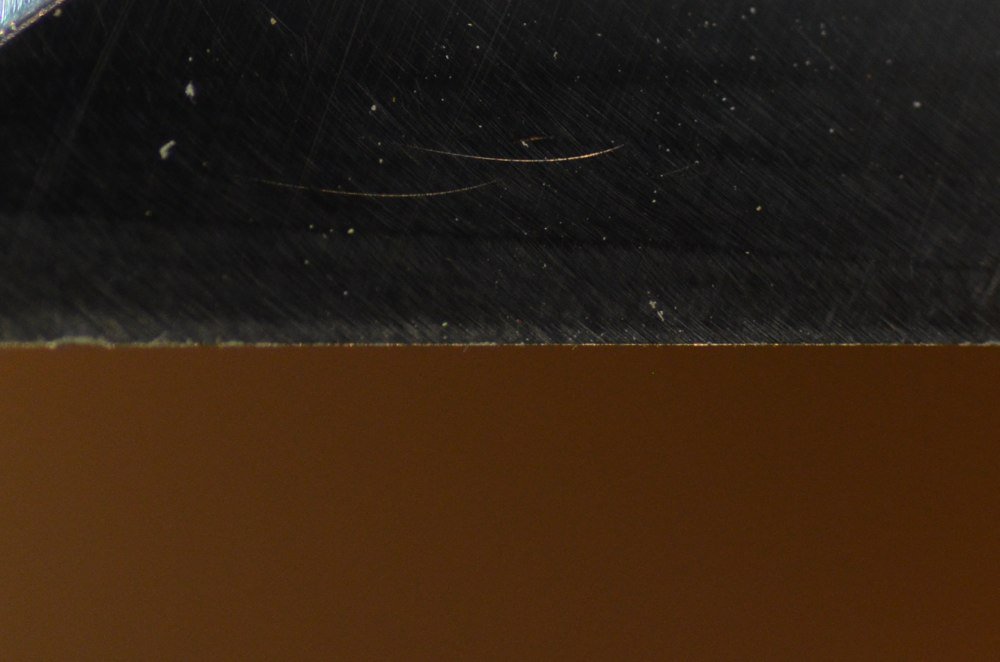
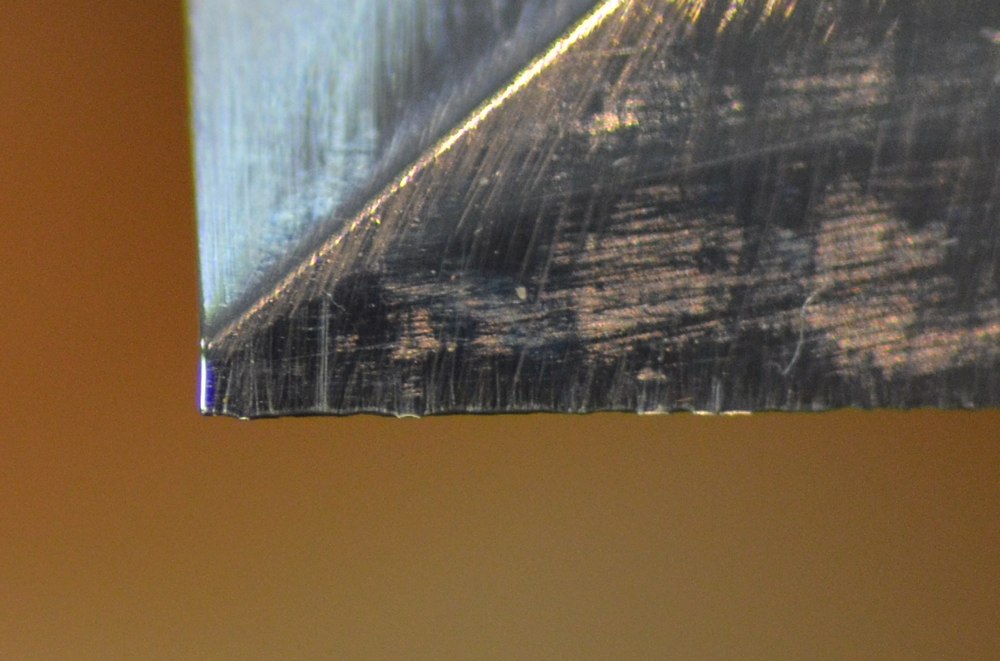
What would you do if I told you that your sharpened edge taken to say 15,000-grit quickly deteriorates in minutes only of use to perhaps the much lower level of under 1,000. The reality is that most woodworkers using hand tools work with chisel and plane edges at this level most of the time. The tools still cut effectively and acceptably for a long time once this level occurs. At this level the edge is strong and degrade speed much diminished. The greatest edge fracture occurs immediately after sharpening when the tool is offered to the wood and the cutting edge is at its thinnest and thereby most fragile.
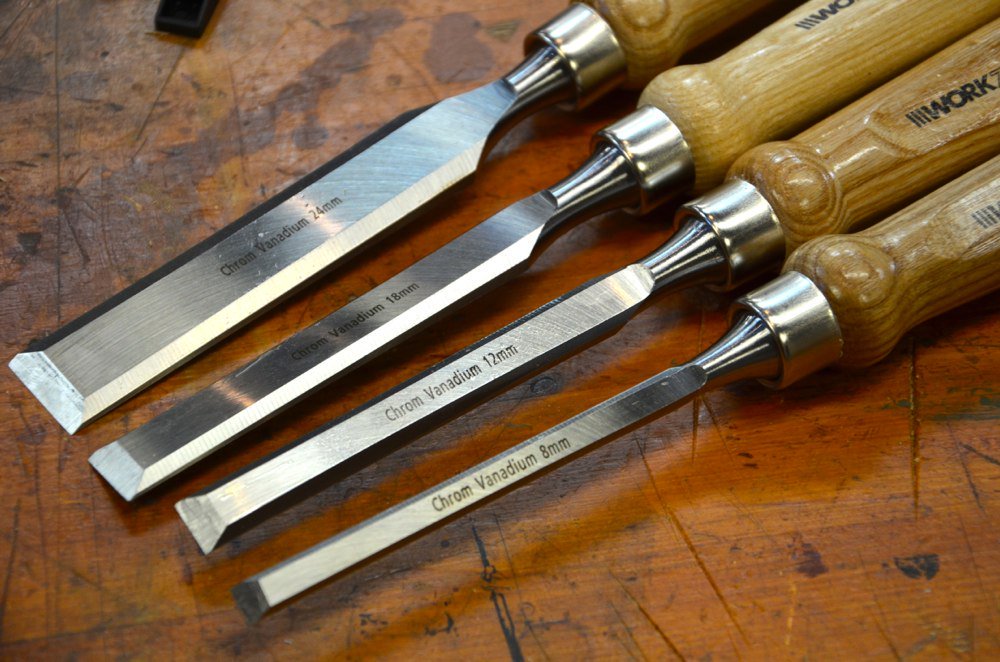
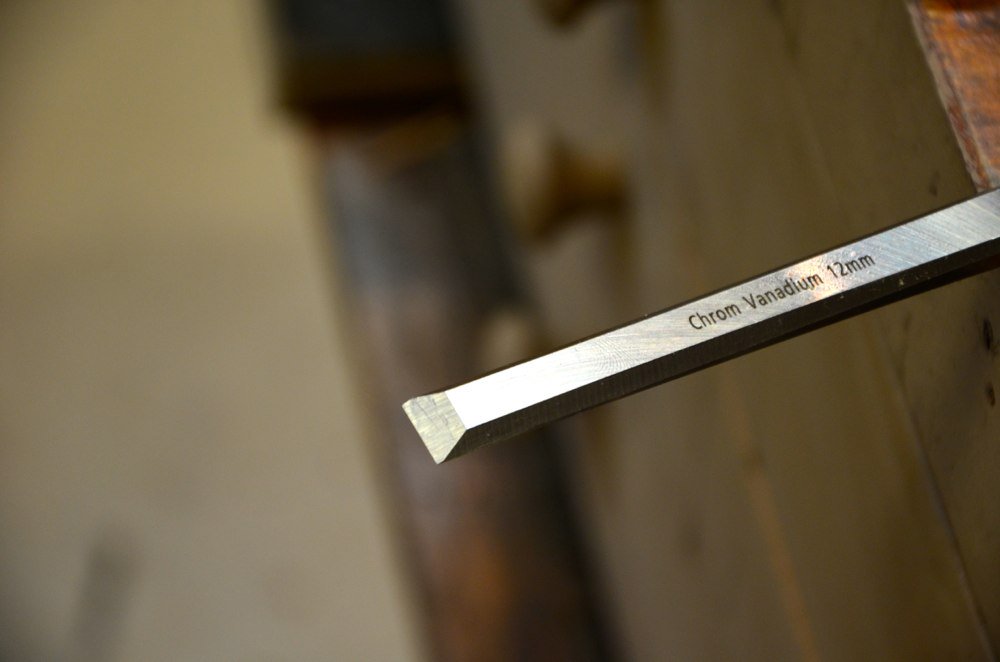
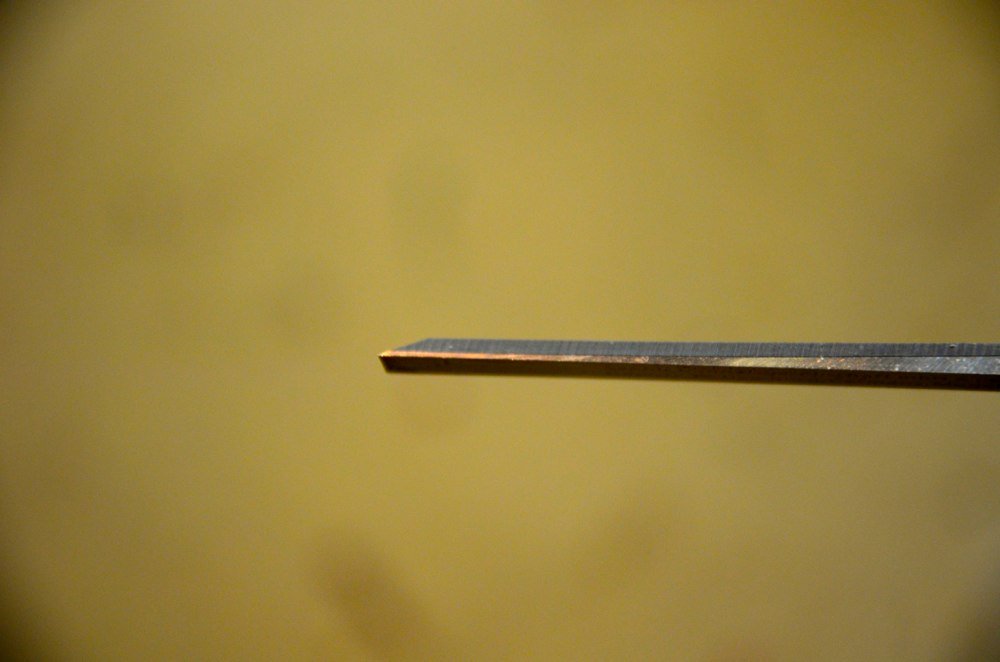
I have tested new steels and have generally ended up with disappointing results. Someone wrote to me questioning the validity about the Aldi chisels being made from a chrome vanadium steel and said that his chrome vanadium chisels did not take and hold a good edge. He then went on to ask if high end chisels really offered a better option, naturally basing his assumption on his personal chisels, non Aldi chisels, deteriorating straight away. Aldi chisels, I can assure anyone, truly hold their sharp edge as well as any high end chisel I ever used and better than any UK maker I have come across to date. This not what people want to hear, I know, but the reality is right here in the everyday of working. This past 10 days we had a classful of students using many chisels each made for Aldi supermarkets and the edges gave perfect service hour by hour. Are they my favourite chisels? No, not really, but I would not choose the tested high-end chisels from my research for their name thus far but firstly for their edge retention and service, balance in the hand, and further functionality. Aldi’s take some beating. Whereas It would be good to expect a higher priced tool to give better results, longevity and so on, more and more the reality is shifting. Many European makers have accepted deterioration in their standards of production and quality of manufacture, in many cases relying on past reputations of founder owners rather than their individual responsibility to hold to standards they set. That being the case, they surely forfeit any rights to unearned loyalty and support. This far I have tested 5 different sets of UK-made chisels made by current makers and none of them match the standards set by their forebears. Edge fracture and crumple has been common to them all within a few minutes of use. Most of the chisels I use from the late 1800s and early 1900s never fail through the same results and so too the Aldi chisels. The proof of the tool is in the use on the bench, the problem is you have to buy the tool to test it out, but you can always send them back if you find what I am saying is indeed true.
More to come on this shortly.
Comments ()