
Saws Come Back to Life
The lost and abused now lies against the cared for and stands out. It's as if it longs to belong - to become becoming - and the ones I seek are those where the work changes the present for the best in the future. A man came in and said his sons didn't want his woodworking tools and that he had the best ones anyone could want. They asked him what they would do with them. He wished he could give them to them, but they saw no value in them. I am sure they will likely end up as the unloved even though they actually enabled the elder man to put food in his children's bellies, shoes on their feet and clothed them with a warm home. It's a sad day when these things happen and we own governments and educators by their pay that are governing from the same platforms around the world. We don't need craftsmen and women any more, we need technicians and engineers on computers to send schematics around the world for them to be made more cheaply at someone else's expense. We are powerfully global now. It's a global economy. Don't keep your head in the clouds with the dinosaurs. Come down from loftiness and get real, they say to me and others who would like to live their lives differently. Is there an alternative?
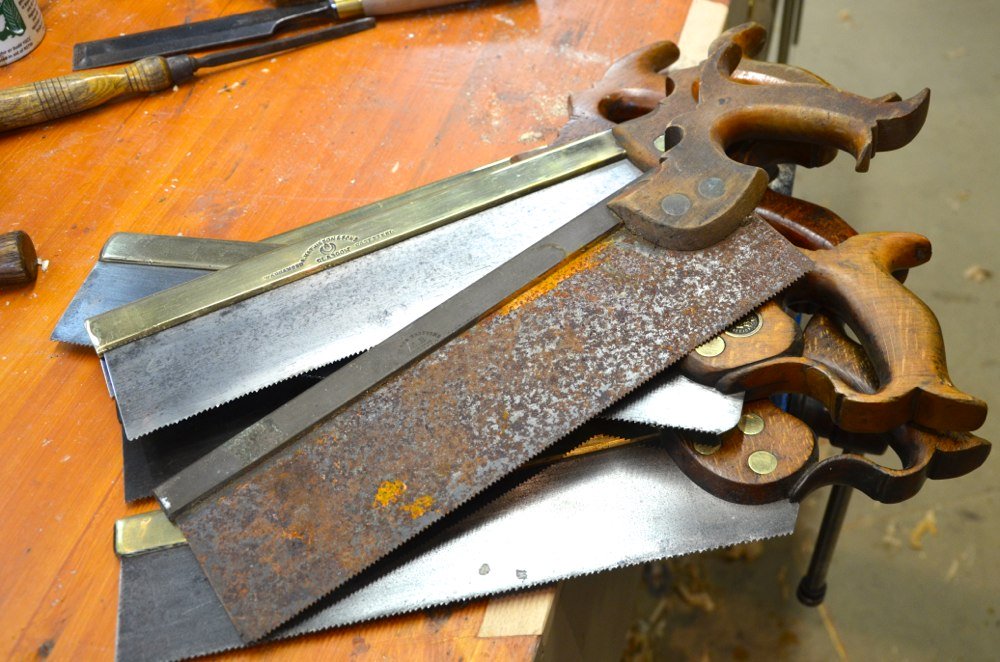
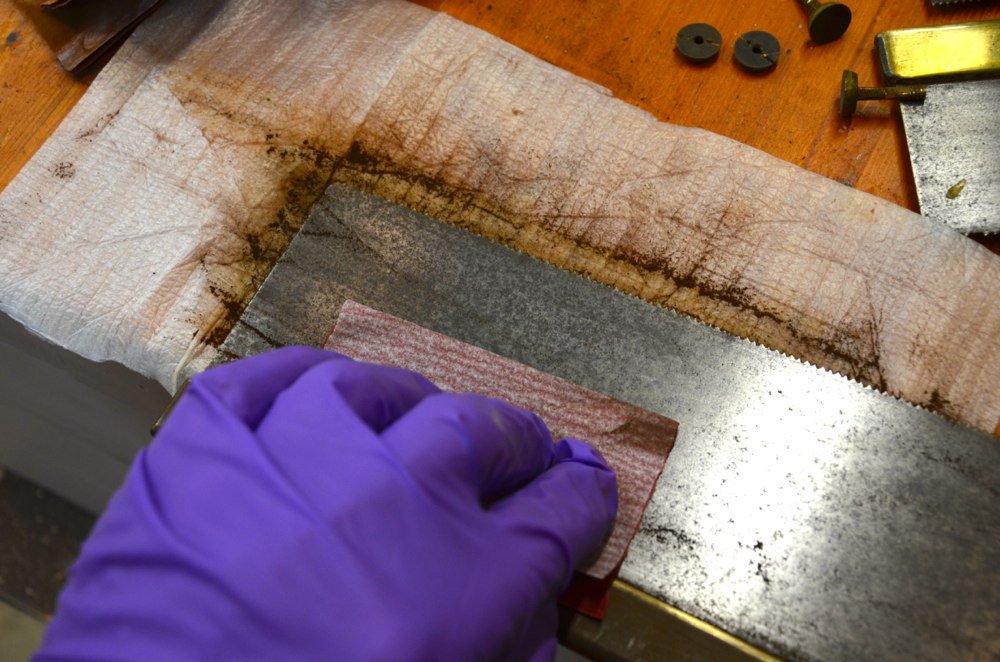
Can care change something and how does care manifest itself most? I took the saw and abraded away the enemy in rust that covered the plate on both sides. It's tough to take the abrasive paper on the first stokes, mentally I mean, but then the steel starts to show through the red rust. It takes steady care not to abrade wrongly, go against the grain, create ugly patterns. I worked more and all the more as the steel began to shine again.
More neglect shows in the plate and the steel was damaged. I took a hammer and placed the plate on the second hammer face as an anvil. The steel resisted and seemed to reject my work for a minute or two. It worsened but then yielded as I adjusted my taps to manipulate the steel and move the steel toward the direction I felt change the shape. The plate rewarded my eye cast along the edge. Straightness came back and the work seemed good to me.
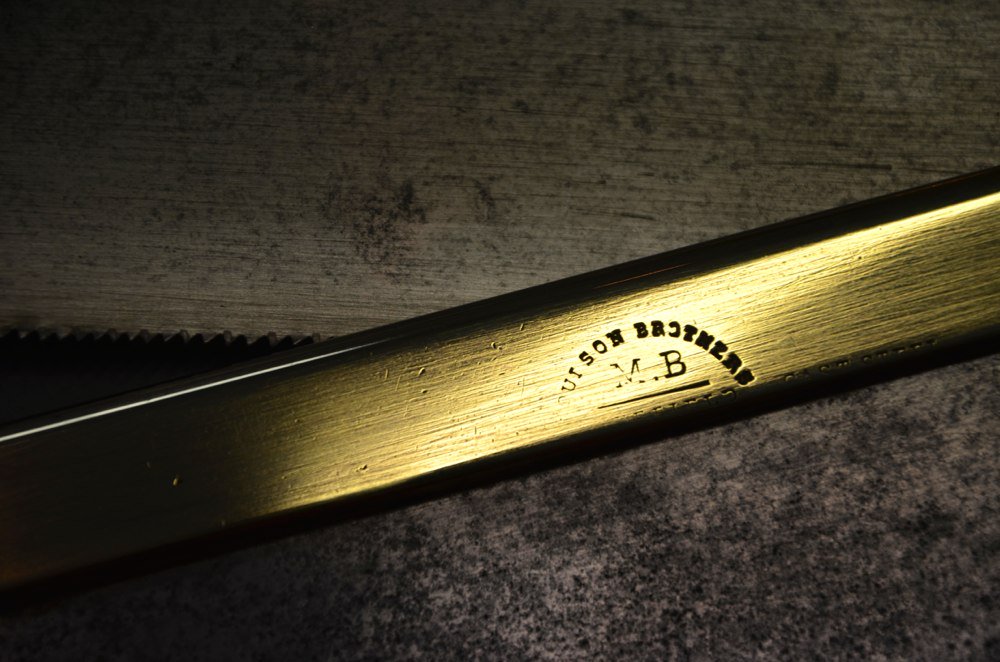
The brass too seemed overly dull. It doesn't really need to shine but it does need to feel and look at least cared for. I used a finer abrasive to skim off the surface and penetrate to pure brass without stain and oxidation. A name emerged with each stroke and I felt an affection developing. In some ways the saws I have were each one orphaned. In a world where tools have lost their meaning I gather them and ask how it's possible that I live in a culture that in many ways seems to have a love hate relationship with hand tools. Some people despise hand tools and workshops and working men and women who use or used them and in other ways some see them as somehow worth saving in the using of them.
I received a plane from eBay last week that was sharp and the seller sent me a note saying he appreciated what I'd done for the woodworking world via YouTube and the blog and the filming we do through the film makers. Before I read the note I noticed that the plane blade had a convex camber and the corners removed in like manner to my own. Then I saw why. The plane was a Woden I wanted to upgrade parts on one I have. I have a longer iron but a broken sole.Uniting the two will give me a good plane. Waiting for another Woden sole will give me another plane.
I love the thought that things unloved and lost become found and restored, renewed and then used and cared for. Who can explain such a thing. The dirt and grime in a plastic box of near discardment in used up oil and grease, dust and dead things past. You lift it from the wasted and place it in rough hands and then the hope starts working. The rust abrades your fingers and the handle has an unkempt feel of rough, wet-raised grain to it and you say to yourself, "Can this thing be loved again?" "Made-up", we say in the UK, when we feel happy and successful? Can this saw feel 'made up'? Something says "put it back, it's not worth the effort", but I can't really. I picked it up in so helpless and useless a state. I new there was more life to be had and respect could be restored.
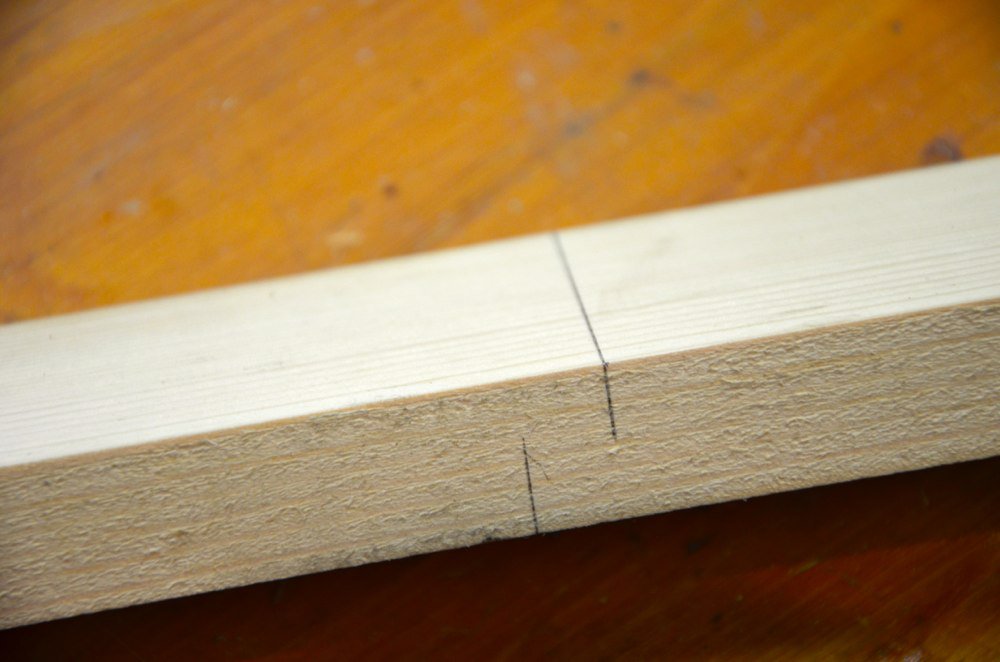
I look into the future now instead of the past and the wood this saw will cut to shape; dovetails and housing dadoes and much more. I think of the energy of exactness hand work has using hand tools and then I think of the excesses of machines that so exhaust into our world. How a bandsaw spins a million tooth-cuts per minute to my thousand before we switch off its motor. I never use less or more than a fraction of a stroke in waste and so I feel that feeling of settledness and wellbeing others rarely understand. Imagine this saw when tomorrow I reshape each tooth and size them to task. Set them and refine them after 60 years of isolation and neglect. The man who placed it away in his tool box; the craftsman that wore the handle to shape and once kept it free from rust and decay for decades. The one who loved it and never abused it will never know I retrieved it from the world of throwaway now, but when I am gone my work will live on in the lives of thousands upon thousands of woodworkers who understand what I am saying today.
Steps to recovery and restoration necessitated a little work on the handle but no reshaping. One of the loveliest handles.
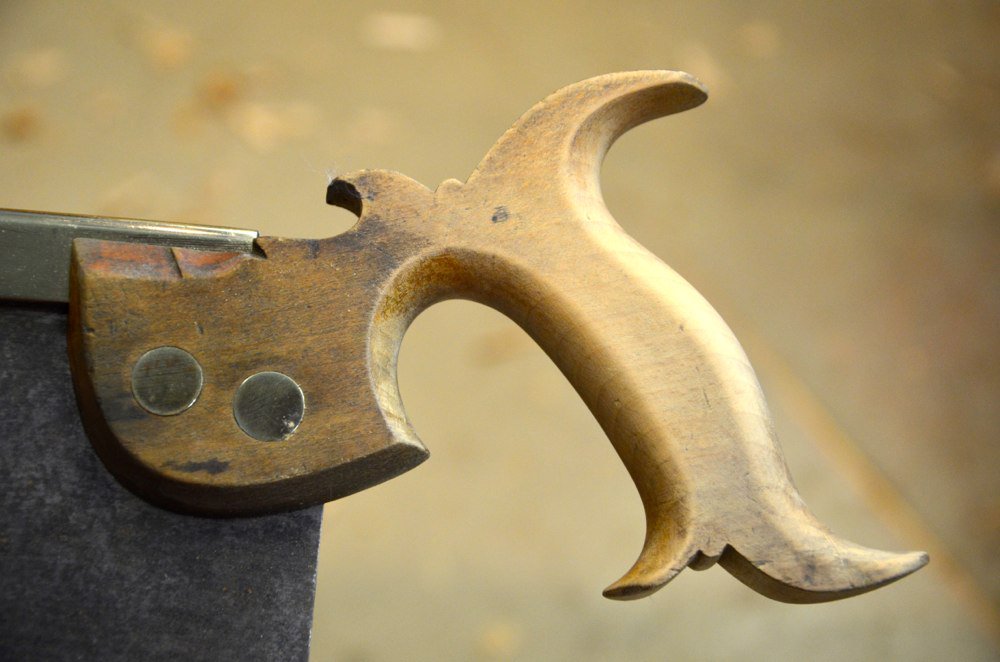
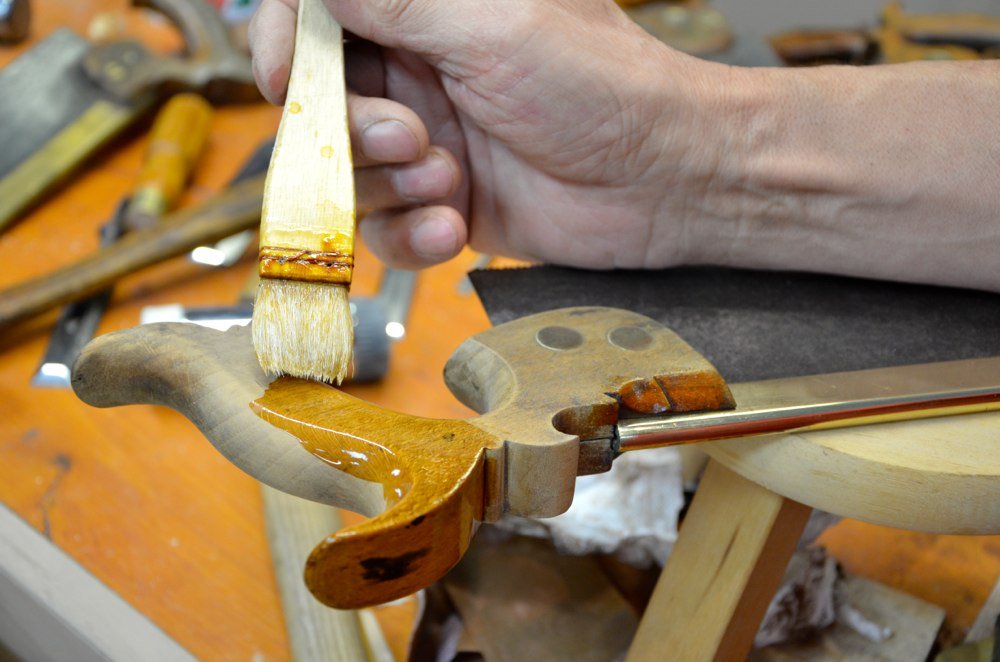
Here is the newly cared for amongst others.
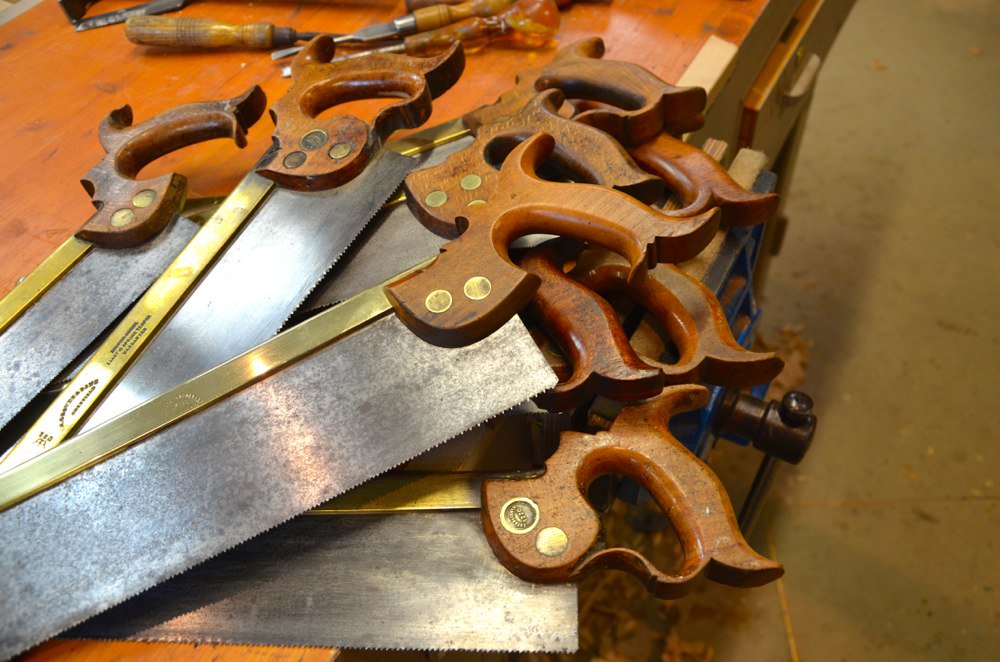
I feel rust melt away and trust and truth restored as others search out truths about working with their own hands. How about that!
Rarer Finds Come Home Too
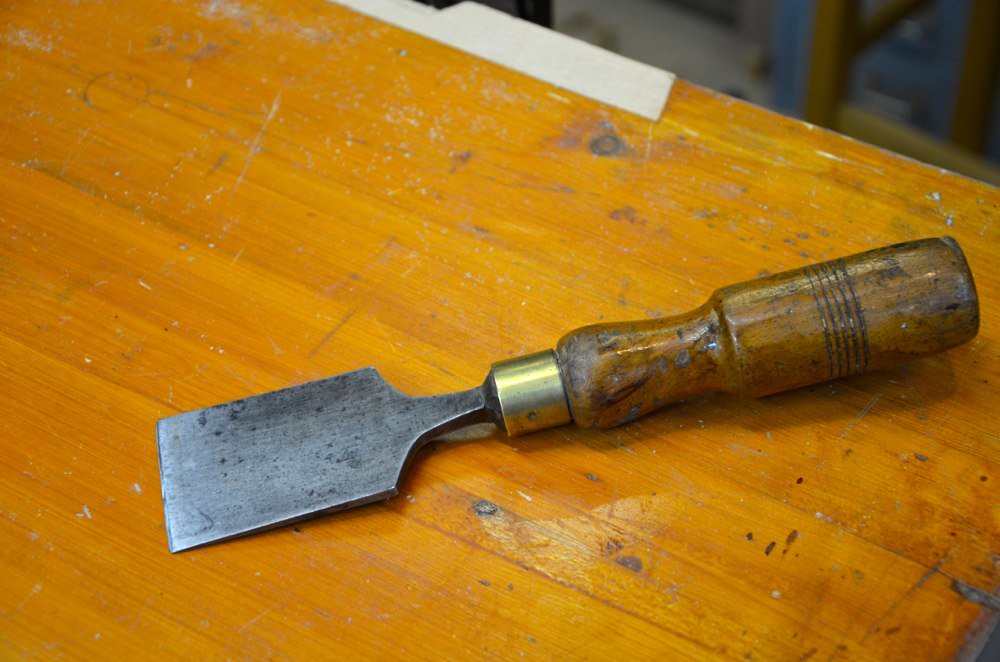
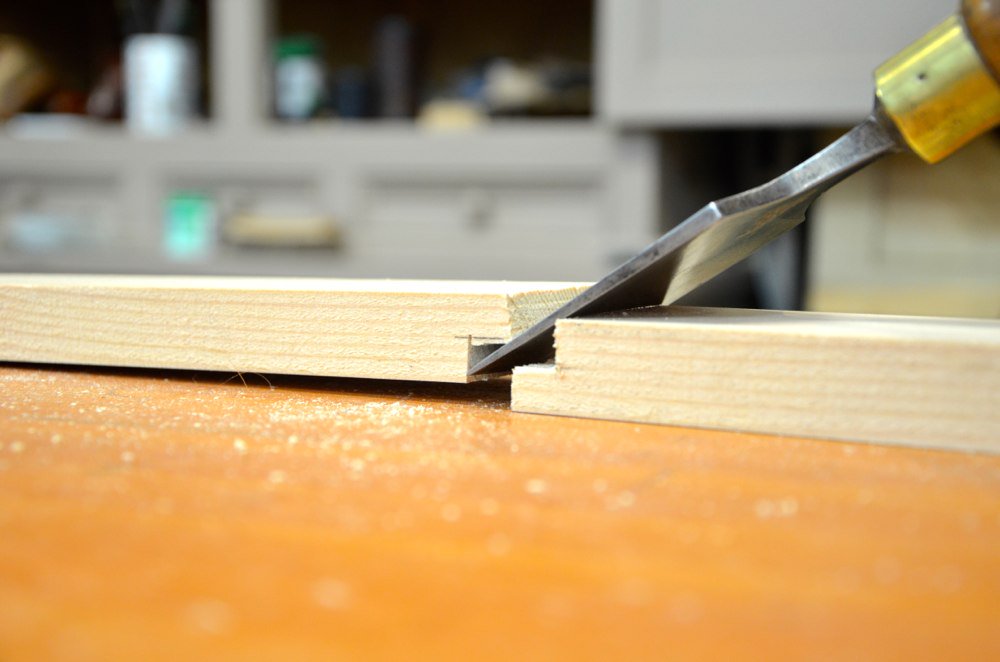
This chisel was described as a floor board chisel. It’s really not that. It's a sash pocket chisel actually. I own one of these in the USA tools I have but this one came up via eBay. I bought it for little enough and will use it from time to time. Sash pockets are removable sections in each side of sliding sash windows. These pockets house the cast iron weights that work as counterweights to the sliding sashes and makes them liftable. Sometimes the sash snaps and the weights lie in the bottom of the casing. The sash rope (called a sash knot) needs to be retied. I suppose the seller used it for another common use, which was splitting tongues of floorboards so that the board can be lifted to access pipes and wires beneath. Little misnomer really.
Sequential cuts
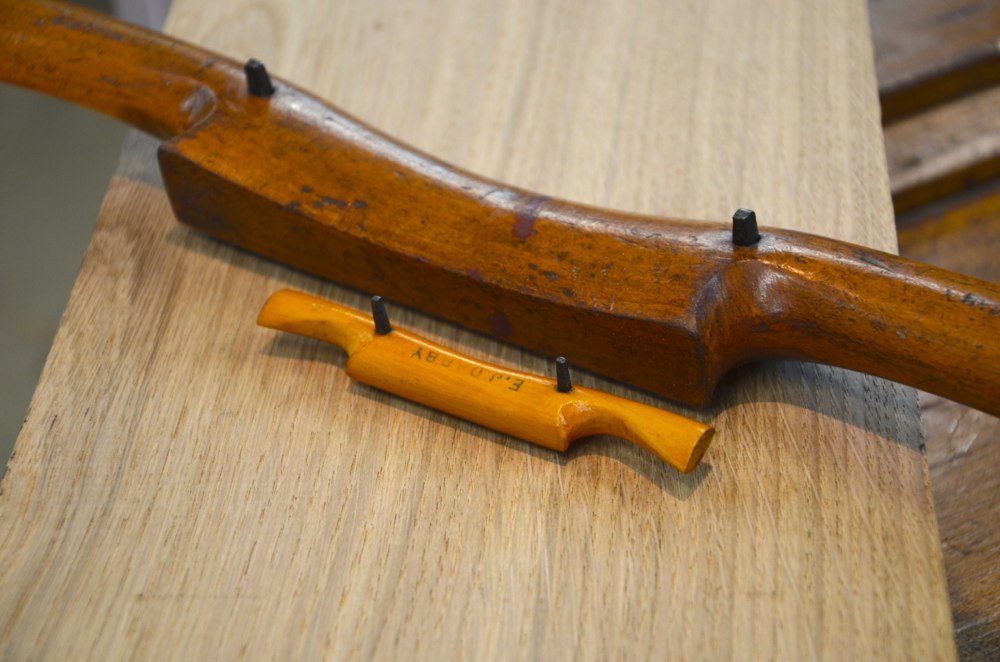
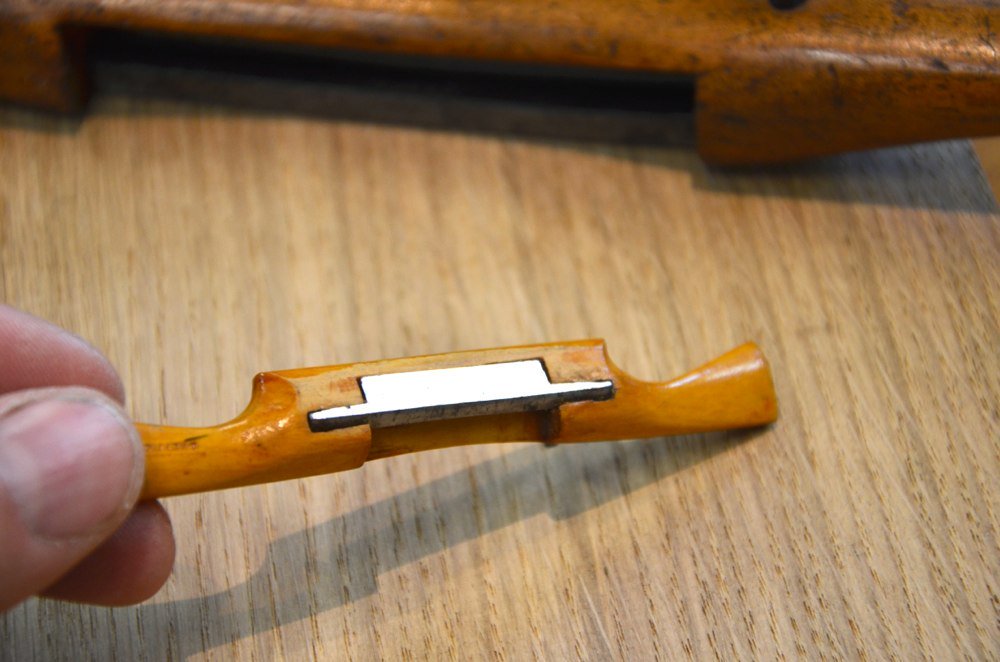
John found this tiny boxwood spokeshave that's quite a scarcity these days, which was again via eBay. Both the sash-pocket chisel and the spokeshave are made by our once famed British Marples of old. Searching ebay can be tedious but when you know what to look for you can make inexpensive forays into realms of tool collecting that at one time we had to travel many miles to and stand for many hours at to bid on when people around you were outbidding according to the look of determination on another's face. John did buy a glut of chisels over the past few weeks, so if there's a chisel shortage we can blame him. He tends to collect the mixed unsets. On average he spends under two pounds a piece including shipping.
Anyone UK side know where I can buy one of these older brass wire brushes. This one has the tightest clumps of bristles that never bend and I rely on it so much.
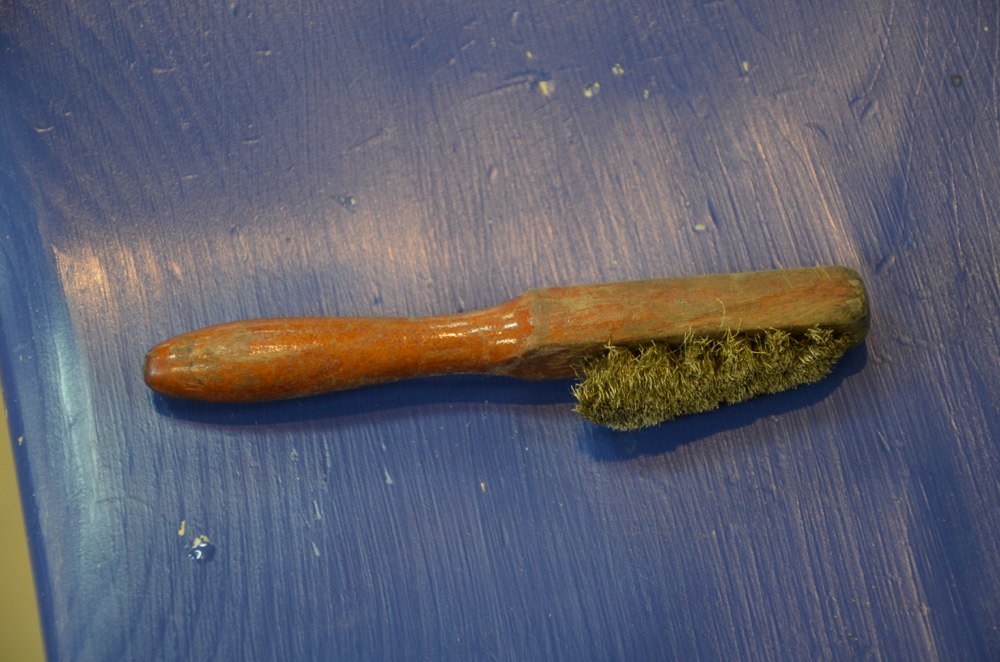
Please let me know if you have one spare for sale.
Comments ()