
On Dovetails and Sizing - Just Some Thoughts I Have
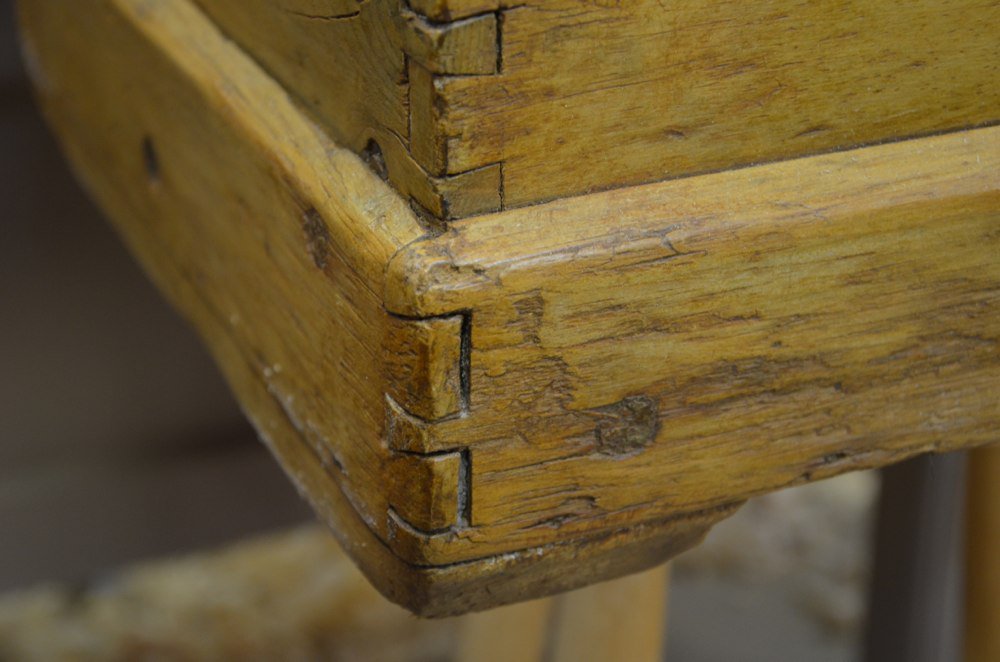
Briefly on dovetails and sizing.
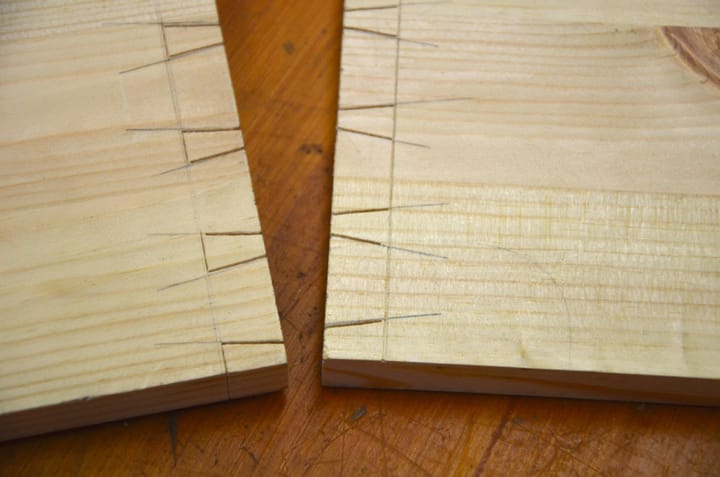
Of course it’s far from ideal to use a machine to cut dovetails, a router, a bandsaw or whatever. We all know that if you do, then it’s the machine that cut them not you and, if it were me, I’d feel like I’d been robbed. I have yet to look at a machine-cut dovetail that didn’t look like a machine-cut dovetail. Sometimes I feel people might take what I say the wrongly; this might help. The reason I say that it’s far from ideal is that the craftsman approaches things very differently than the machining wood mechanic. When I work on joints and such, and especially dovetails, mortise and tenons and such, I’m always looking for any and all areas in need of micro-adjustment to maximise my insights inside those parts never known by my customers. I know by feel and experience exactly how much pressure to build into the dovetails. In other words I don’t merely size them as identically sized opposites but I assess how much ‘spring’ is in the wood so as to take full advantage of the particular wood’s characteristic properties. I adjust sizing according to elasticity in the species and then within the type itself. I also evaluates how much expansion takes place when the parts are mated permanently together, so that the pressure from expansion seats the mating faces against one another and when shrinkage from the added glue moisture takes place there is a permanent bonding of faces. These small decisions set the craftsman apart from the mechanic of the machine. Generally, the machine relies on perfect sizing but takes no consideration for micro adjusting according to material and in fact any machine jig can =not be adjusted for such fine adjusting.
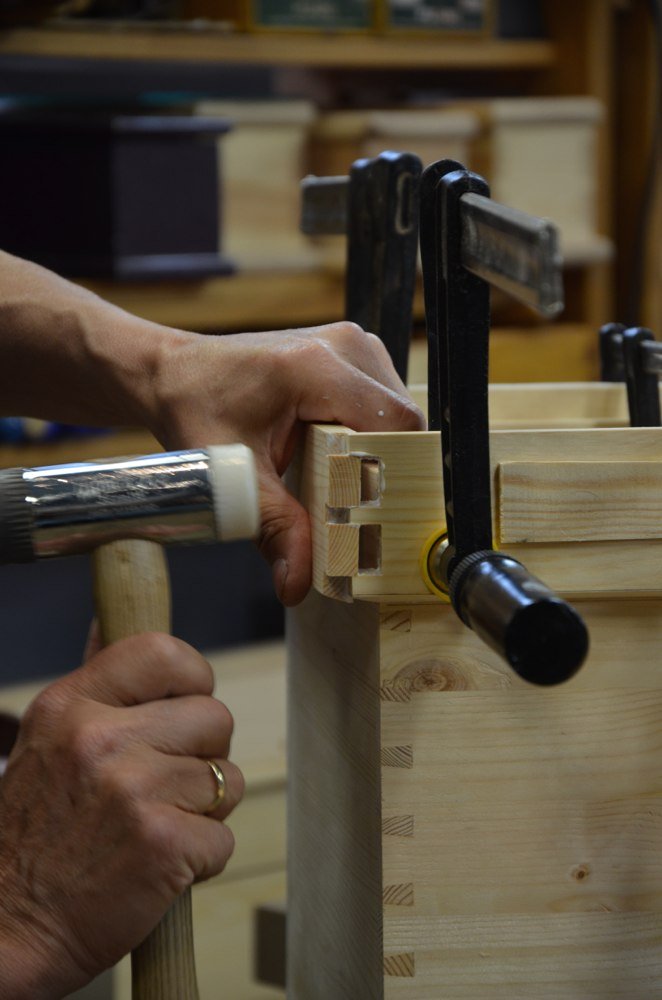
On sizing of tails and pins.
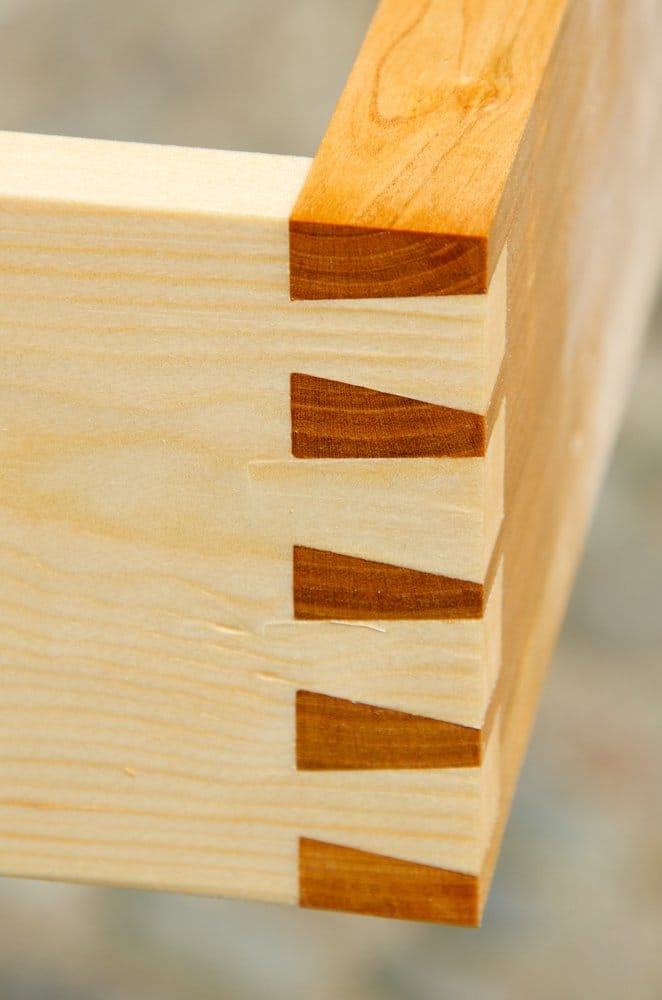
Here again there can often be a certain snobbery surrounding superfine pins between the dovetails. “They look so highly refined they can be no earthly good.”, and whereas that level of refinement shows the distinctive skill of the artisan when made by hand, the pins are quite weak in many woods and it’s not unusual to test a dry fit and pull a pin from its root in the body of the tail piece. As far as toolboxes go it will suit most of my work to marry 3/8” pins to 1” tails. I generally like 3/8” pins. They look neat. Back in the old days of early machined dovetails the tails and pins were equally sized. It was telltale in its day. Today its not so, with tails shaped like little hearts and such.
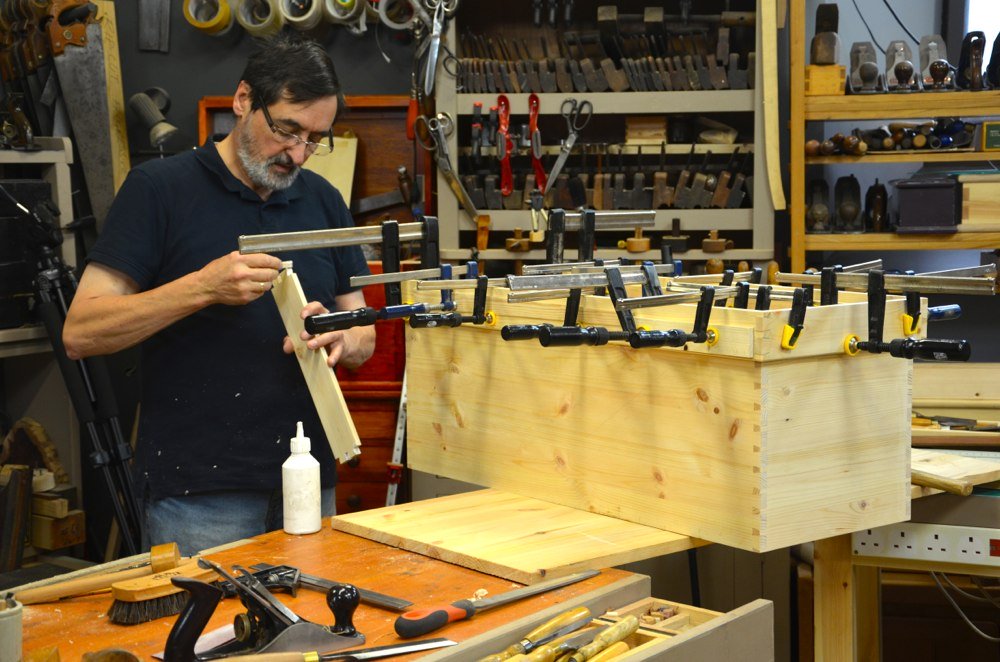
On machine cut pins and tails; through dovetails of course can have the angular internal corners dovetails rely on for strength even when the slide easily together. On the other hand, half-lap dovetails have rounded internal corners that drastically reduce the efficacy and strength of the joint. For the main part it’s that internal corner that’s the fulcrum of ideality. These corners allow no wiggle room and indeed lock. That’s what’s needed.
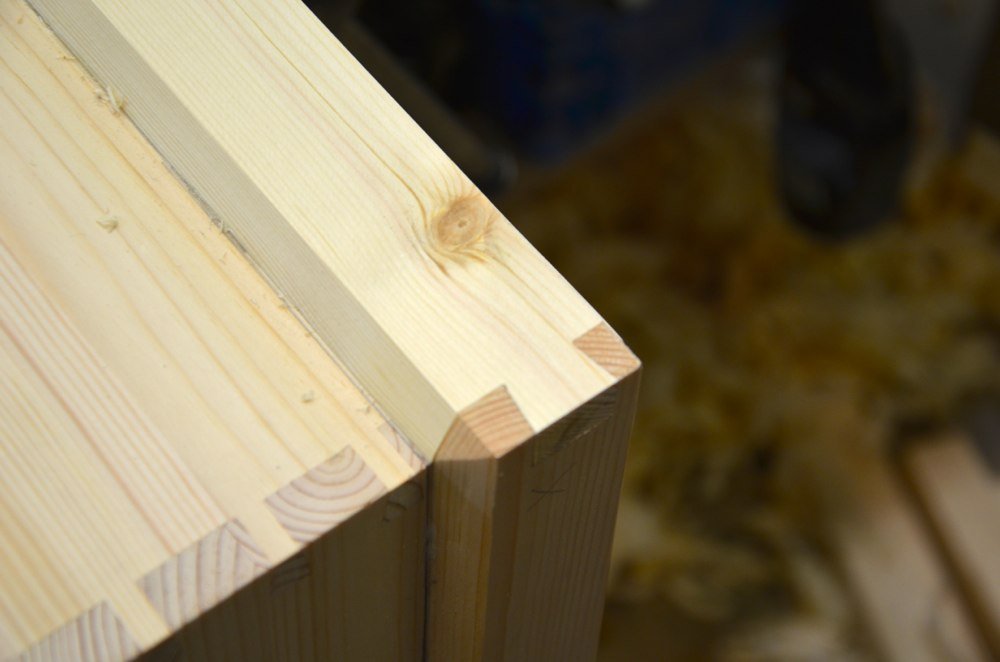
This is where I ended up today. Not complicated stuff at all. In fact it's about the most basic of all boxes really. I hope you choose to make one for the experience and for the tool storage you get.
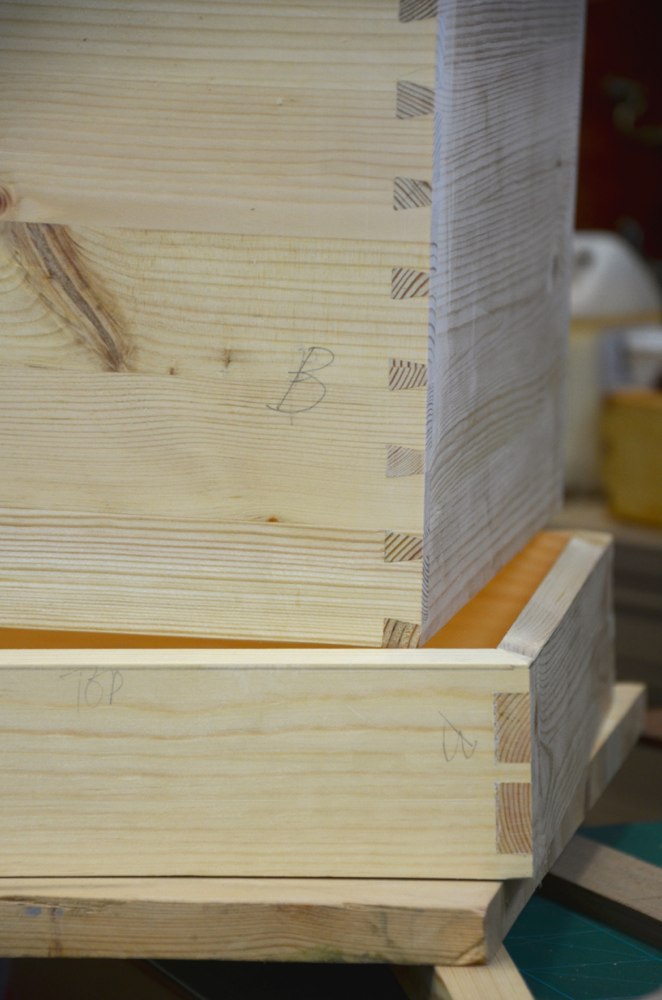
I am going to paint mine with milk paint I think.
You could also use a box like this for a toy box if you work out the lid safety issues.
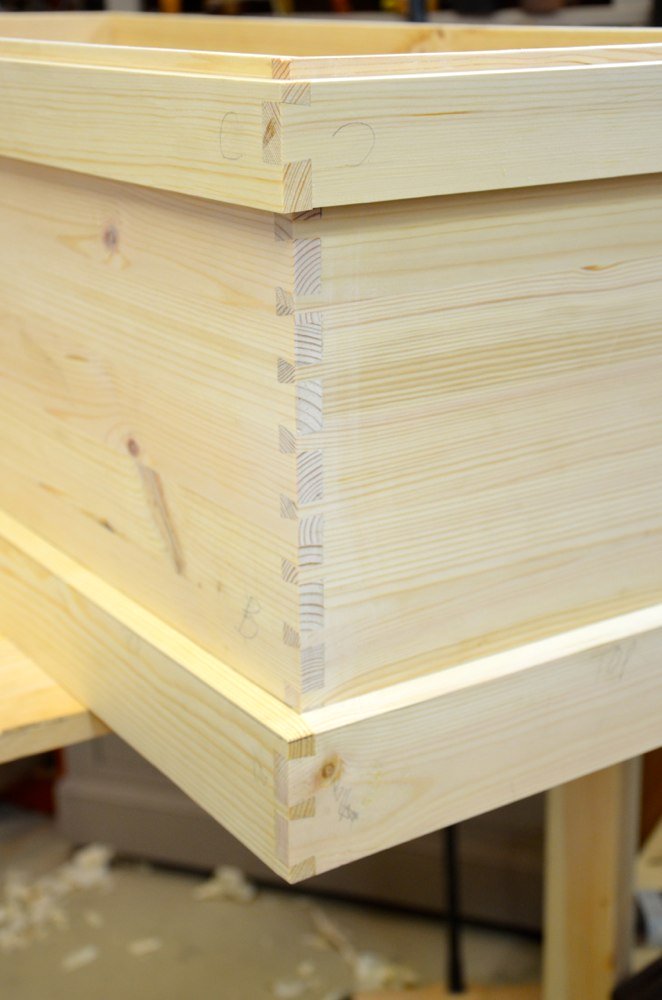
I doubt I would ever truly find any real fulfilment from making a machine-cut dovetail. I’m glad I never tried because when someone asked me if they were hand cut I would have to admit that the lie of presentation stood in truths stead. Take the risk. Better to cut the odd gap in your dovetails by saw than use a machine I think. At least it has the character and meaning of human frailty, a little heightened risk, and, more important, it looks real. Give it a go. Build your toolbox with me.

Comments ()