
How is Your Woodworking Going?
Many emails arrive every day telling how life-changing woodworking has become for them since they adopted hand tool methods for working wood. In the blog beginning I never thought that this would become the vehicle through which I could share my life as a working craftsman but indeed it has.
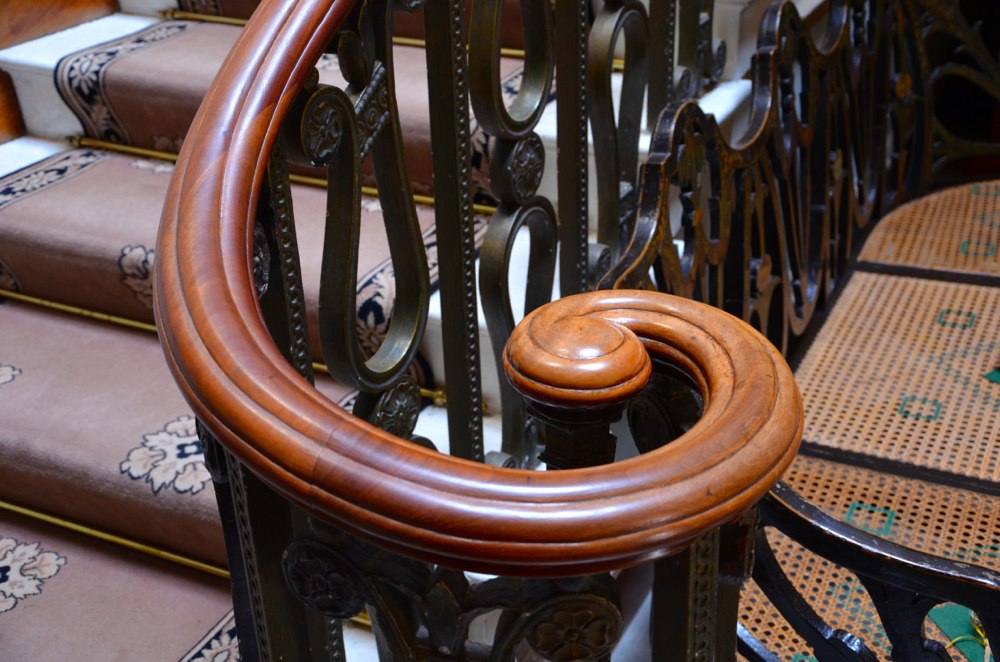
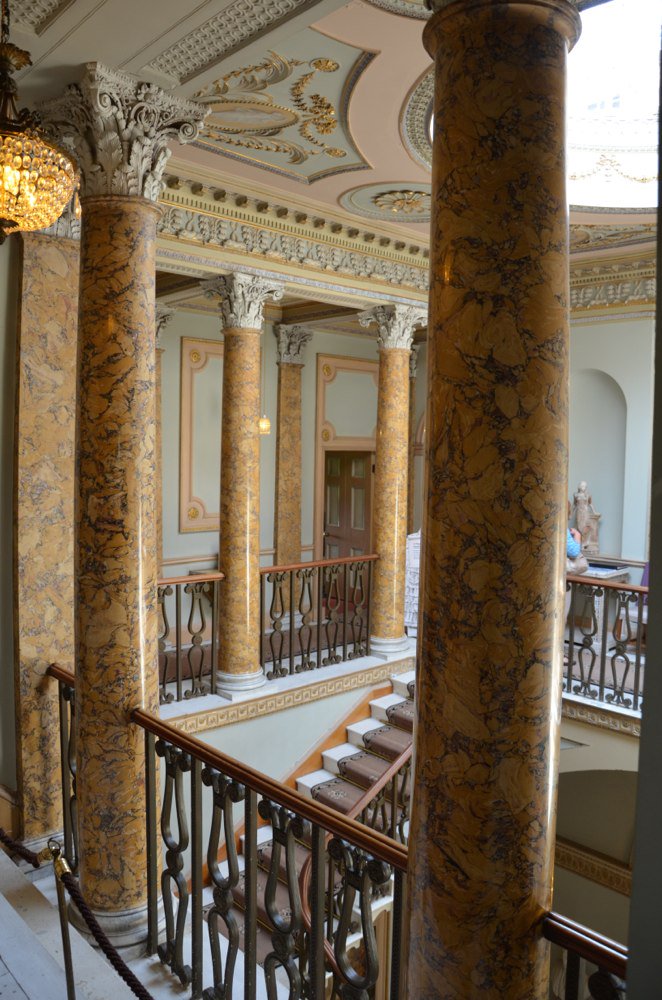
When I want inspiration myself I go to one of the National Trust’s properties of which there are hundreds all supported by friends of the Trust, legacies, overseas supporters as members of its US -based Royal Oak and a 2.7million UK membership all of whom feel they own a piece of the Trust as a whole.
These are pictures I took today when I visited Berrington Hall a hundred miles from where I live. They have an exhibition of clothes used in the Pride and Prejudice film by the BBC a few short years back. Here is the link to the hall.
I’m never disappointed and as I prepare for the coming year and all that that holds by way of a new work I find myself drawing on my predecessor designers to try to step outside the realms of ordinary as they did in their day as unique designers of 200 years ago.
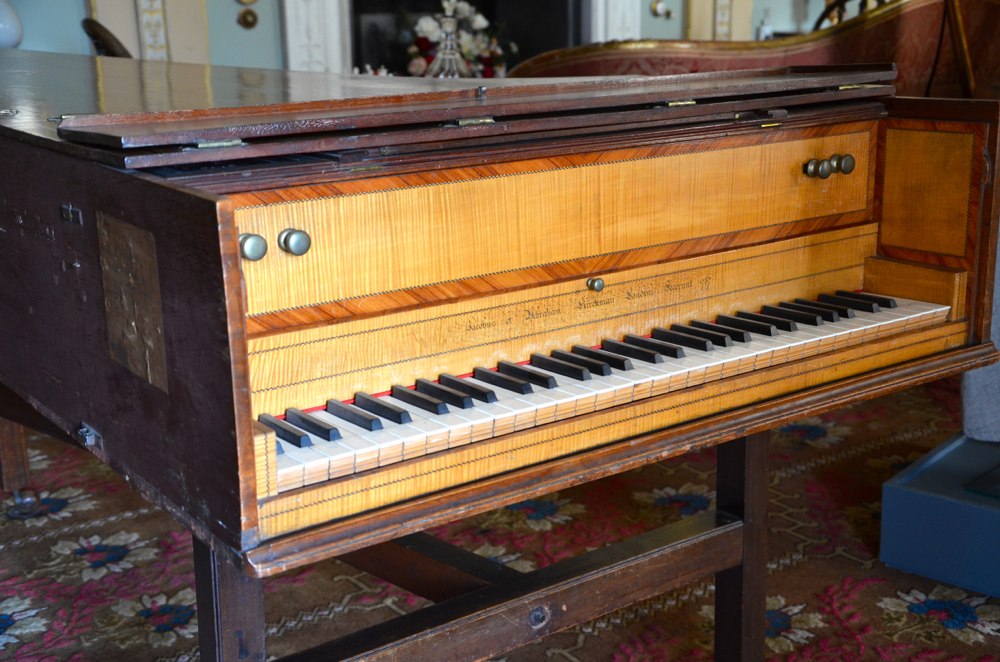
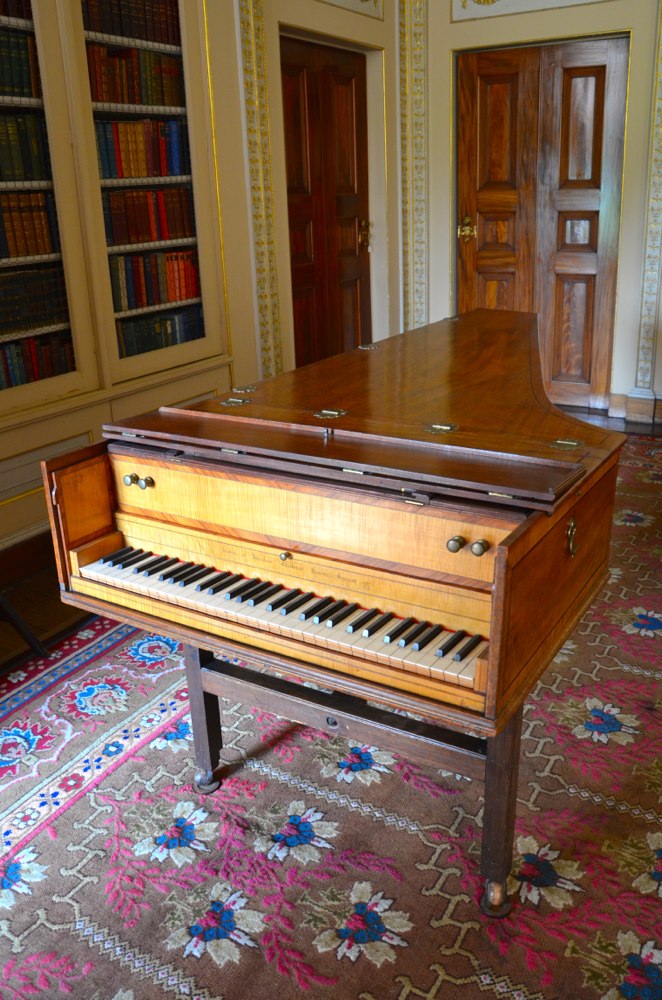
This harpsichord made by ‘Jacobus et Abraham Kirckman Londini Fecerunt 1787’ is beautifully appointed with diagonal cross banding, ebony and boxwood herringbone inlay and figured sycamore veneered panels capture the essence of accurate handwork to enhance and compliment the beauty of the different woods. I love compositions like this where the maker combine the skills of instrument making with woodworking and his work becomes totally absorbed in the whole.
The harpsichord was an early keyboard instrument popularised throughout the 15-18th centuries until the piano replaced it with strings that could give depth and feeling to each note. The harpsichord was at its peak in the 18th century and English instruments like this mark the pinnacle period of harpsichord design. The ‘key’ difference between the piano and the harpsichord is in the actual note produced by the two very different methods. The harpsichord keys pluck the strings in like manner to plucking a harp but denying the flexing intonation given to a harp. The piano has a far larger range of notes and become ever popular because intonation and feeling can be fully expressed by the player. Dare I say it, the harp's tone can be somewhat monotonous by comparison and the notes cannot be varied like the notes of the piano. Also it has fewer keys than the piano. Perhaps they should not be judged as apples for apples because they are really very different instruments that look the same.
I was struck (no pun) by the care of all corresponding components forming the main body and then the minute details that are all to easy to miss. I stood and watched maybe fifty visitors walk past the instrument to see if they noticed the workmanship and not one of them gave more than a cursory glance in its general direction.
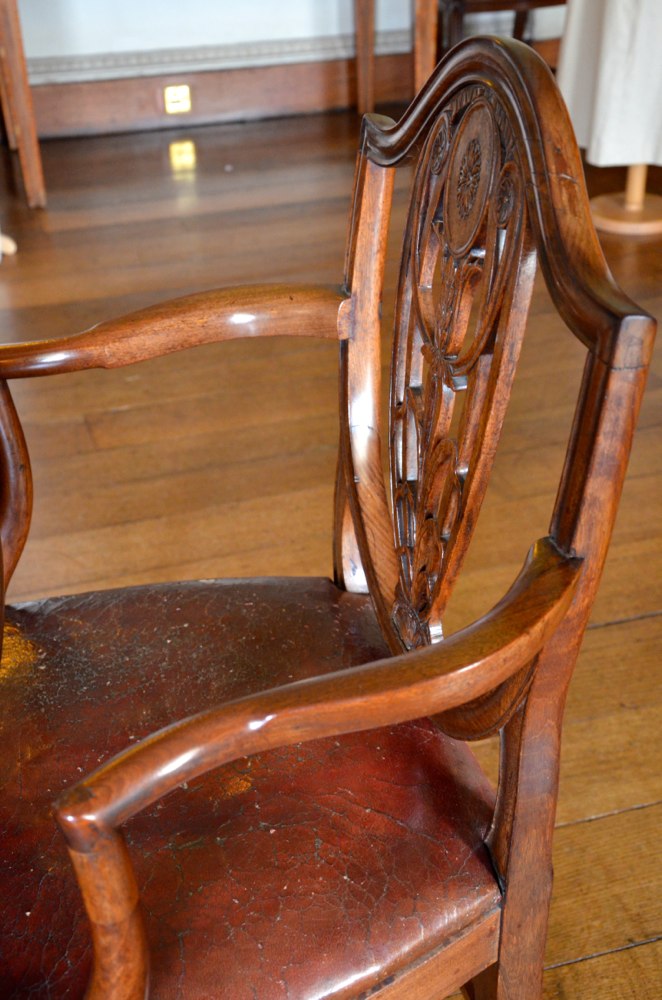
The different woodwork manorial homes are furnished with is about as massively diverse as it can get. Hepplewhite, Sheraton and Adam may well be well known, but then there is the work of the unknown man behind those many thousands upon thousands of millions of pieces.
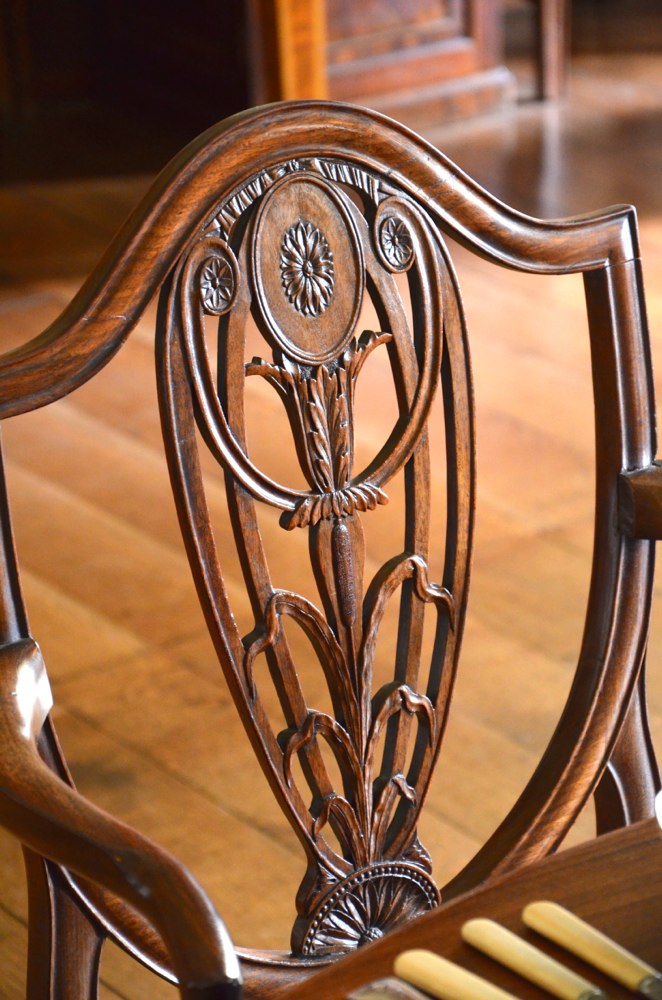
Imagine a man losing his whole being as the coves and curves and chipped pieces rolled from the gouges to the bench. To the Lord and Lady the pieces were decorating their lives with refinement and texture. To the man making, the work was feeding his wife and children and paying the rent on his modest home.
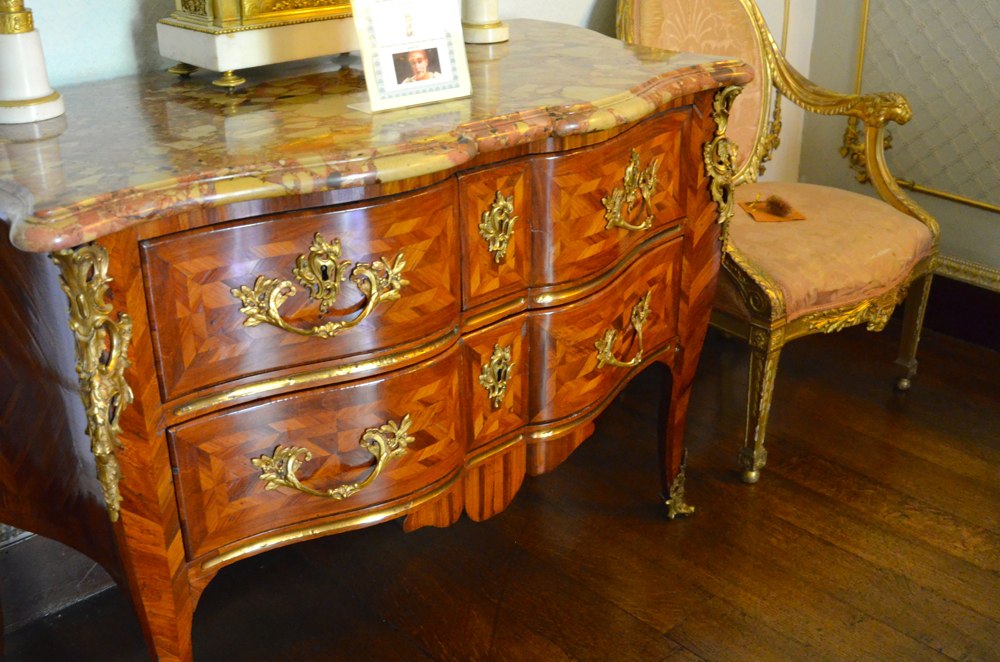
Imagine how many weeks and months it took to shape and mould and inlay and veneer the lives of the wealthy and opulent. I’m glad the standard was set in the 16-1700’s; before the machine overtook us. It’s not a question of stopping progress but more a one of looking back and learning, researching, mastering, dedicating, committing and such like that. All of this helps me to see that we can restore the same standards of workmanship and keep woodworking a living way forward into a new and vibrant future.; a future mirroring the workmanship we need to master once more but this time we can do it live in our own homes and not to former designs but those we design into our own lives.
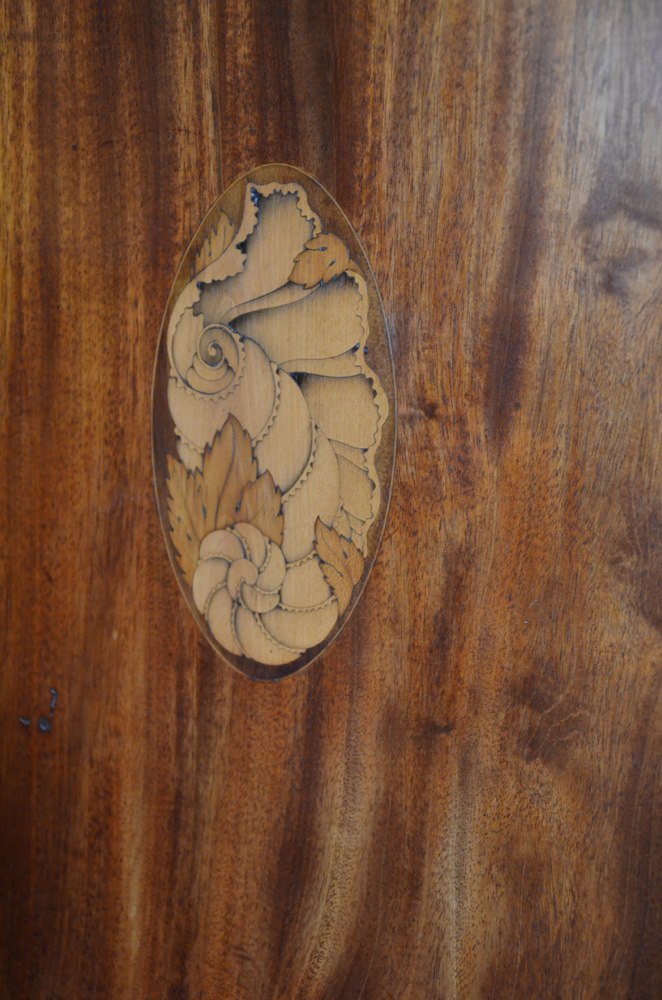
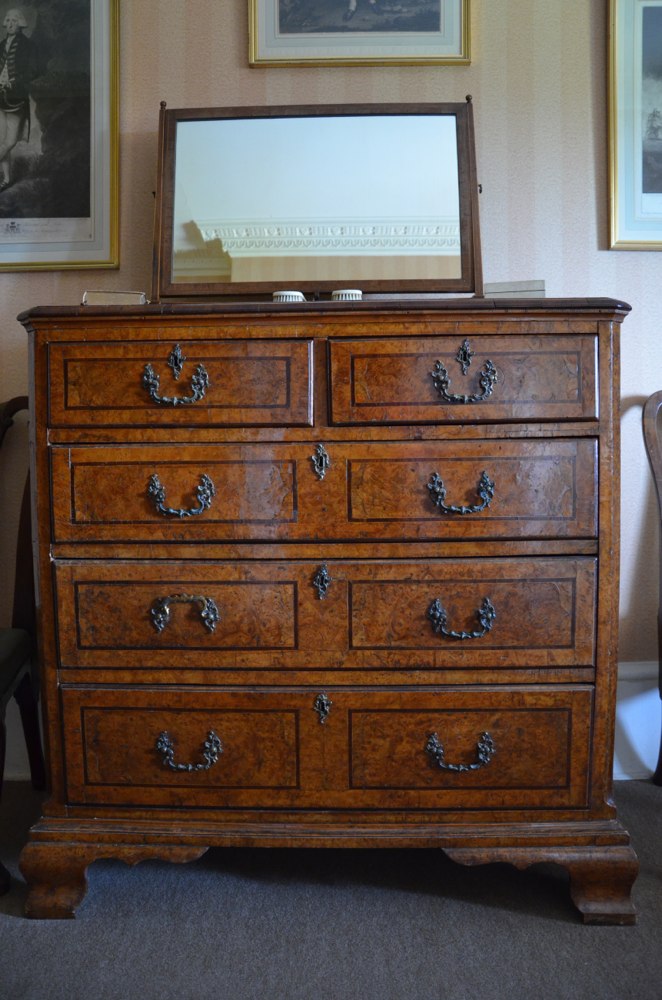
I look at these pieces and would have no problem making any of them. I wouldn't want them in my home. They pretend too much for me. But I do like the thought that I can make them.
Comments ()