
The 151 Spokeshave - Where I Mastered This Unique Plane
More on spokeshaves - How I Got Started With One
Growing up in the 50s and 60s and then throughout my apprenticing years in the mid 1960s I worked considerably in restoration work on older houses that had settled more solidly through two world wars, much demolition from bomb droppage and of course normal settlement over a couple of centuries. UK houses are mostly stone or brick and not timberframed. There is no American stick-frame 2x4 construction with sandwiched dolomite between skins of thick paper as such. In fact, for the main part, everything internal and external seems to me anywhere from 12” to 2' thick masonry of one type or another with 1/2 to 1” of plaster on the walls that is then evened out and finally surfaced with a skim coat of even finer plaster.
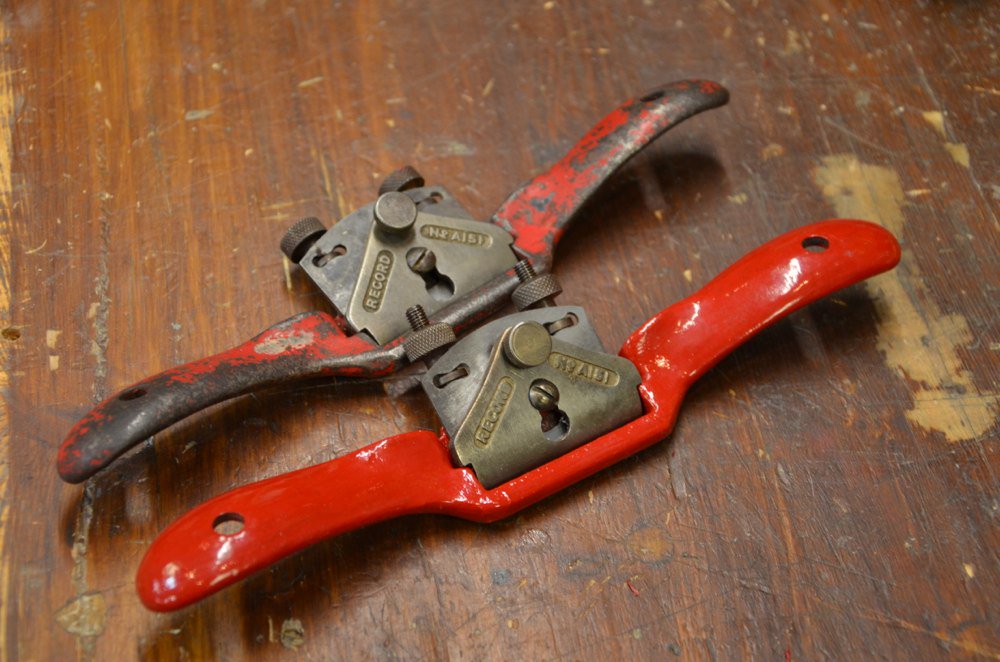
I say all of this to say that skirting boards and floors, architraves and doors and window frames were all suspended between fixed stone anchor points and then trimmed out with moulded wood and it's here that the spokeshaves came into its best usage for me. When the floors curved, cupped and twisted after a bomb blast resettlement or a stone wall jumped and settled back on it's newly situated foundation, trim and doors, window frames and so on either needed replacing or refitting and that's where I learned to master the spokeshave the most. Replacing door and window frames with curved headers or circular frames too required the refining work that came from the spokeshave edge and although we did use the spindle moulder to shape the main frames when first made, during assembly and then when fitting the frames on the jobsite often required extensive use of the 150 or 151 spokeshave. This effective tool could refine and scribe any board or frame to an exact fit within a fraction of an inch and could remove much more material than a plane ever could and this is something few woodworkers would recognise as a need or solution to today. I cannot imagine how we would have done this work without the humble spokeshave, even though we today have jigsaws and routers and circular saws and more.
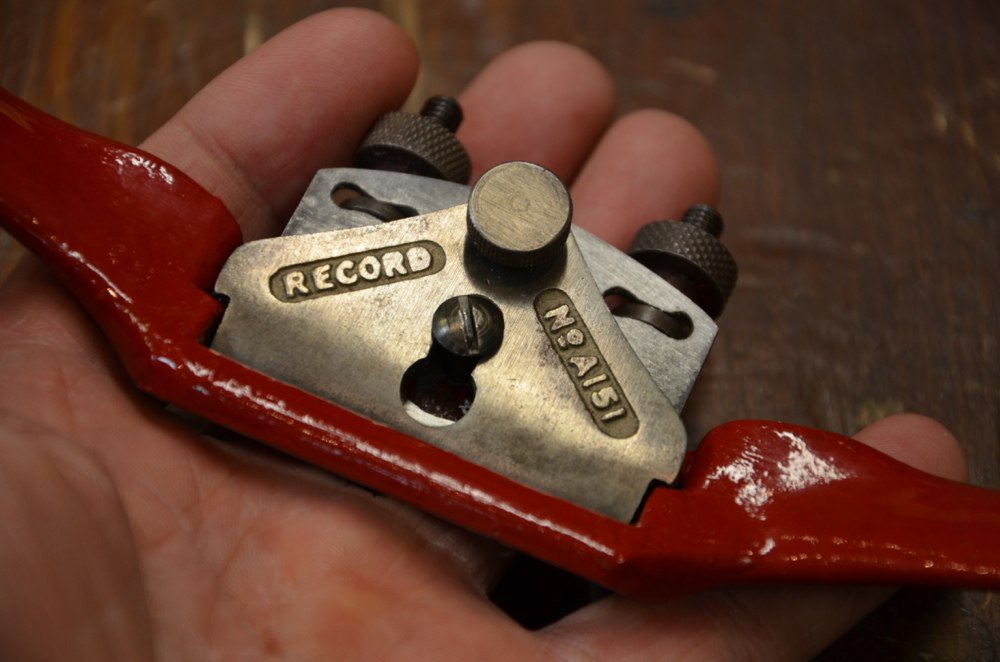
Scribing wood is a simple way of fitting a piece or length of wood to an uneven surface. Most often this need occurs where a wall meets a floor or a door frame meets a wall at a 90-degree angle and because the meeting points is irregular and not straight or angled rather than square, we must fit the edge of a covering bord or trim piece to close off any gaps. Here in the UK it is a more common need because although plastering creates a flat looking and level surface, the final result is most often less than we might want. In the USA on the other hand, plasterboard (Sheetrock) is used as the finished surface with tape and plaster used on the jointed lines only to create a seamless jointline. In the UK we have a 1/2" of plaster onto man-made blocks or bricks of some type which is then skimmed over the whole surface with about 1/16 to 1/8" of plasterboard; a process we call floating or skimming. The end result is a super hard glass-like finish pretty much impervious to life that will last a hundred years plus and maybe another hundred years depending on the care given to the home by the owner.
Cabinets and door frames often butt up against a wall to form another situation where an internal corner needs trimming out with a bead or piece of trim and this bead is trimmed to perfect fit with a spokeshave to. In the USA it is most common to but the trim up to such surfaces and then caulk it with a seam of caulking. It’s fast and effective and gets the job done. A skilled painter can make a perfect cove to the internal corner straight of the caulk gun and a less skilled worker draws a finger along the caulk line to finish the work. All in all it's another substitute for skill and care.
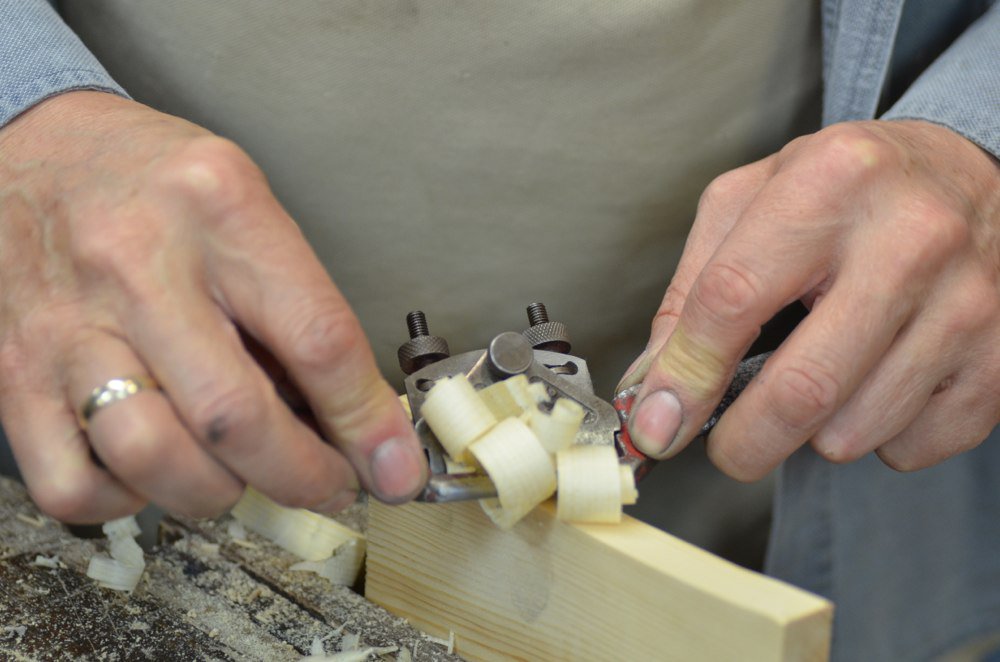
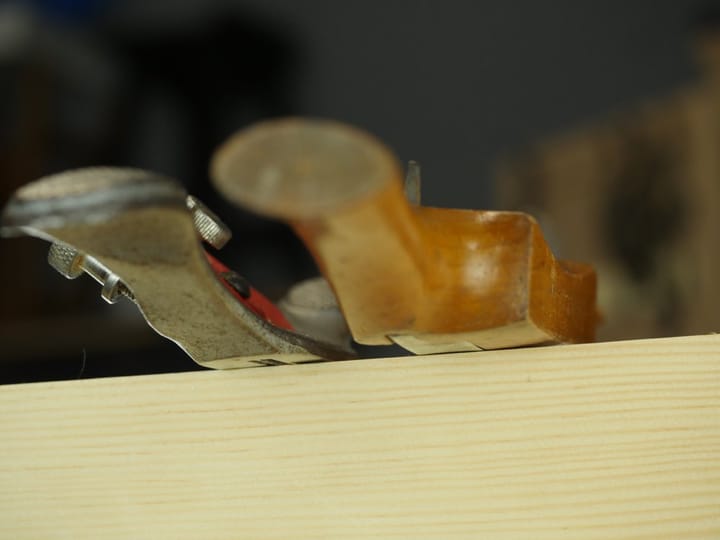
So, it’s in the pre-caulking days that I learned to master using the spokeshave the most. Three strokes when heavily set takes off a good sixteenth and then a lighter set with the tweak of a setscrew refines the final shaping by a quick thou' and you are done.
My second exposure to spokeshaves big time was working with a man named Dennis who had the job of converting an old railways sidings warehouse into offices for a man named Gunter who owned a trucking company. The new walls were timber lined and it was me who had to make the new wood fit the old floors and walls wherever the wood touched either. I was there for about four months doing this each and every day and I loved it. We only sharpened to 250 grit for this and that worked perfectly well.
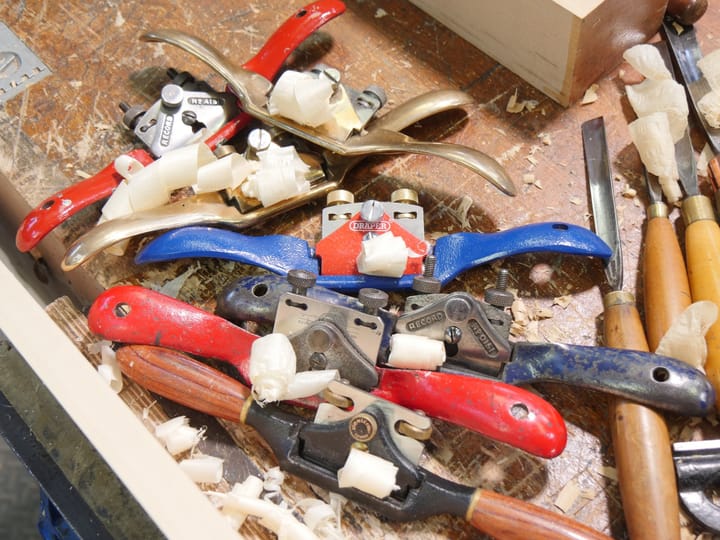
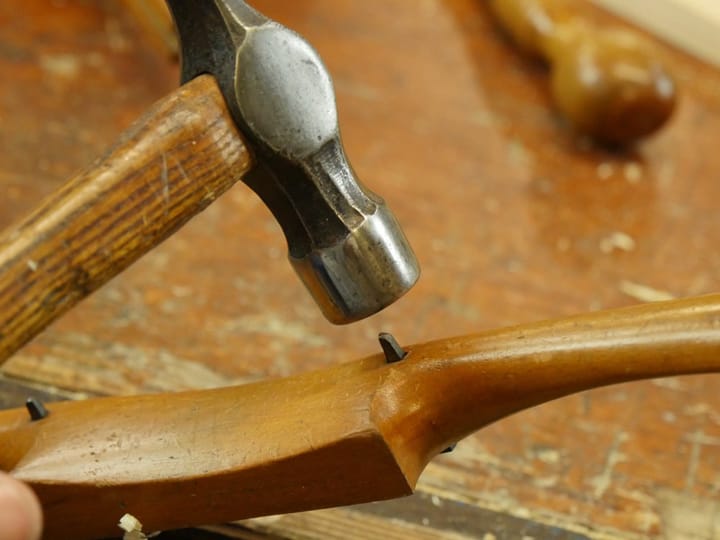
I say all of this to show that the spokeshave is as much or more a plane than a tool used only for shaping spikes, spokes, rails and rungs yet I rarely if ever see anything written on this today. The basis for the restoration of a spokeshave comes from decades of finding them, fixing them and of course using them. This is my next blog on this.
Comments ()