
Why Do We Do What We Do?
It's all too easy to miss the soul reason for hand making something from wood. This soul reason differs distinctly from sole reasoning. Inside the each of us a plexus installed well before birth formed our DNA and it's this that punches the button by which we create and build and process thought into built things of every kind. In our essence a rootedness anchors us to create wellbeing through a life making for our families, friends and for others in a whole world of making. Mass making defies inner craft. Soul destroying work began with an industrial revolution. Deindustrialism begins with lifestyle choices.
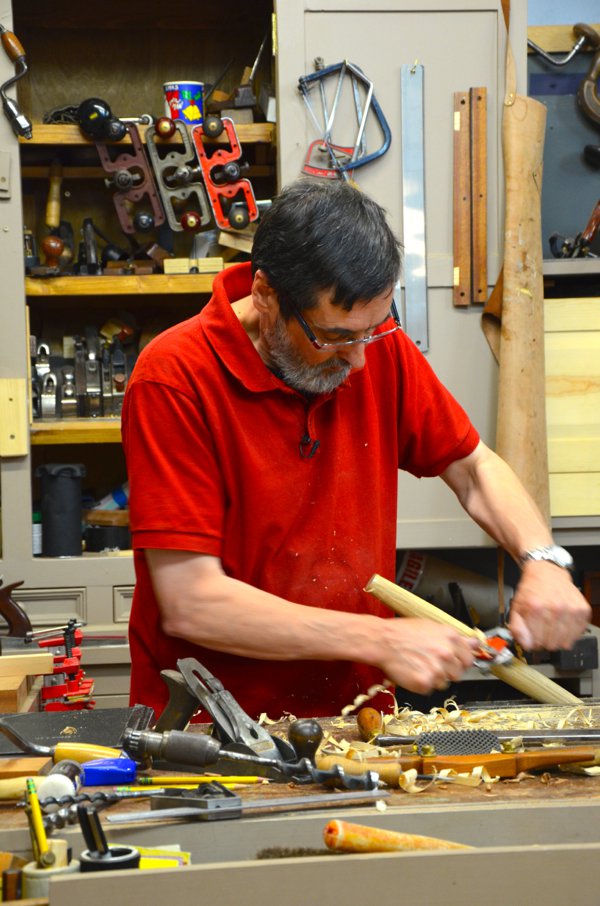
My week filled quickly as I thought it would and I was able to accomplish my main goal by the end of today. Many of the things I design in my work and for filming and writing about I may have never made before we actually build it for filming and certainly most of is is NOT rehearsed before hand although I run things through my mind a dozen times and more to think through the tools I need to hand or the wood or the steps. I also never write a script or follow any prompts and never have because all of the knowledge I need is in my brain. When I make a piece these days I rarely work to a preset menu of sizes. Mostly I start with three dimensions of length, height and width or depth. The rest comes from perspectives and proportions I have in my head as absolutes or in my mind's eye and often this is the ability I find most people do not have. Did I always have it? I think I did but I can't really remember anything other than being able to draw what I wanted.
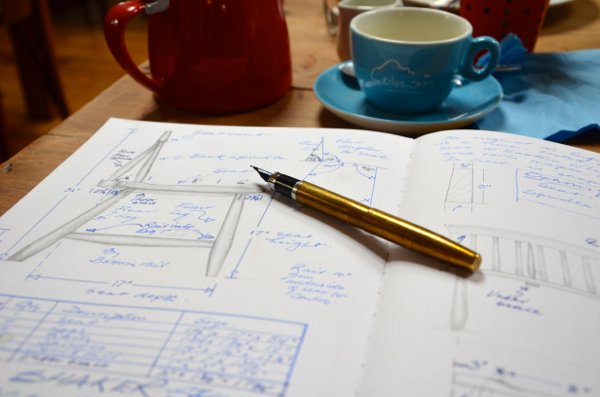
Whereas I don't always need a full scale plan for starting my work or even working through it, others do and these days I pretty much have to because I send my sketches and drawing to Greg over in the USA for him to work up the drawings we have all grown to love so much on woodworking masterclasses. I finished off the prototype Deacon's bench last week and everything came form my head as I progressed it. The end result was a comfortable seat I like very much. The second one is made from Sapele, oak and beech. These three woods complement the design, but you could use very traditional woods if you have access to them. Perhaps elm for the seat, maple legs and spindles and an elm back comb rail. Many options for everyone.
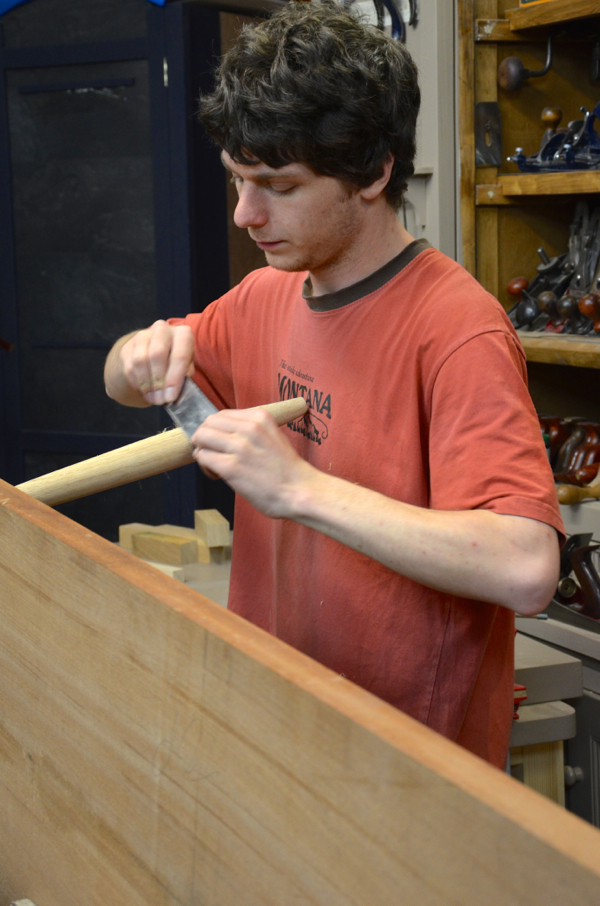
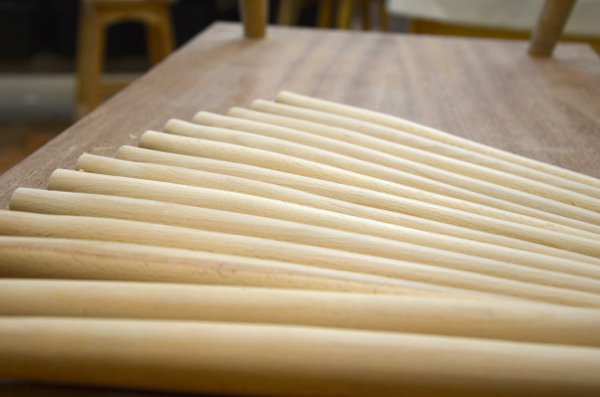
Throughout the construction we have chosen the less invasive world of hand tools the methods are different than the Shakers would have used but they work well and you will get a good workout in the doing of it. If you don't do this using these methods the skills of performing shaping with different tools like draw knives and spokeshave will lie dormant for a another time. Having made two of these now I think it is a good idea to practice your lather turning if you do indeed own a lathe. This is quick and effective and I can turn all of the parts in a couple of hours if uninterrupted, which ain't gonna happen unless I come in early and lock the doors.
I spent some time developing new ideas for new work too. I love to plan future work and sketch it out in my mind and my journal. This week I looked through a couple of old books on woodworking from the last century. I wasn't really sure what to make of them. They weren't so much written by craftsmen but semi academics and so I was disappointed, but then I read a third book written by a man of his apprentice years that a friend brought to me as a present late last year. In the opening paras I felt it a bit dry, but shortly into it I somehow found couldn't put it down. Reading descriptions of the shop he worked in and the men he trained and worked under throughout the years of apprenticing paralleled much of my own entry years into woodworking. He discussed remedies and recipes, ways of working and so on that reminded me that what I have can best be passed on by what I do. Each night I picked up the book and read the pages and though nothing exciting happened, the accounts held me right to the last page. At the end I was sorry it was indeed over. The other books were from a bit more lofty a place which academics have a way of taking things. Dry, boring, uninformative, lacking spirit. All of the above really. It wasn't what I found woodworking to be.
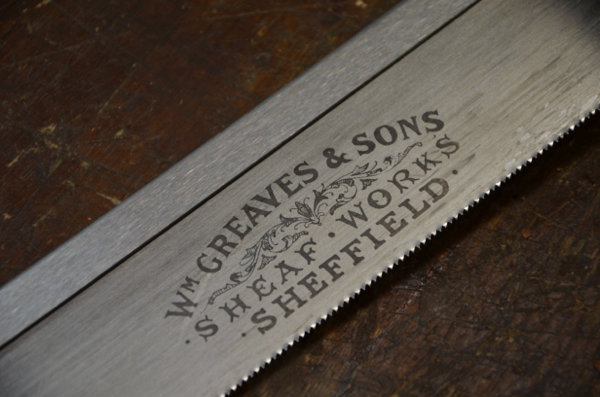
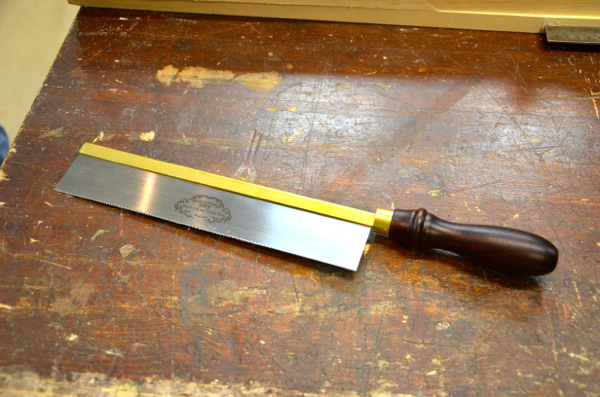
We've been progressing the British scene on British saws this past week and ended up with some practical solutions that might be of help. I bought a half a dozen low cost ones and one even as low as £5 that can be developed within a few minutes to cut like a pro-level dovetail saw but not pretty quite so pretty. In the end we took the USA Zona, another from the Crown Sheffield stable, the Thomas Flinn and an online supplier I use from time to time and felt like with these costing under £16 pounds you are well on your way to cutting perfect dovetails. John picked up two very nice gouges on eBay for a tenner and I picked up two Record spokeshaves for £6 that will be perfect for a restoration video we are doing to progress our free techniques via woodworking masterclasses and youtube.
This upcoming weekend, starts tomorrow, is Woodfest here in North Wales. It's a full day if you can make it and usually there are lots of good tools to be found for good prices. I usually take a wheelie with me to carry the stuff away but now I have blogged here the prices may have gone up by the time of the show. I have lots of friends making their living there and I like to just sit and watch them working instead of doing it my self. I would say its worth a two hour drive to be there if you are interested in woodworking even though for the main part it's mostly green woodworking. I hope to see some of you there tomorrow.
Comments ()