
Sound Sensing Makes Sense of Sense
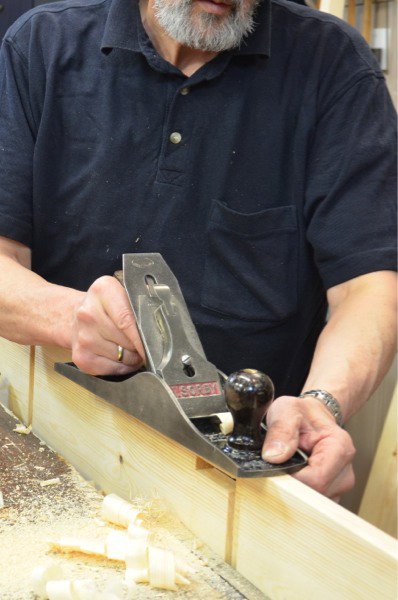
Sounds matter more than we think and yet we make micro adjustments without consciously considering how we make decisions to work a tool into and through the wood. Of course I am talking about people who work with their hands and have done so for some significant time. The human hand can detect a wide range of different feelings in varying levels of distinction ranging from barely perceptible to very solid with several such feelings occurring and informing at precisely the same time. The more you perform a task with particular tools, and a machine in this case is certainly not a tool, the more skilled you become at manoeuvring and manipulating the tool in working the wood and the more you depend on the transmission of information to guide you to perform exactness.
The three primary senses for working wood are the same for most crafts requiring handwork - sight, touch and sound. The one most neglected in the early days is sound. Though all three sensory perceptions are critically important, the one I rely on the most is sound. Whereas smell and taste are always ever present, these two have the least import in perfecting our work.
My fingerprints seem almost nonexistent these days but I rely more on the tips for surface checking than my sight and sound. But when I plane I rely more on sound than any of the three senses I use. I listen to the thickness of the shaving more than look for it or feel for it, yet it's not a common phrase to say listen to the thickness of this or that. I use sound to set my plane all the time. It's amazingly accurate and certainly more accurate than sight and feel alone. I think that we use these two senses more as confirming senses than for judgement.
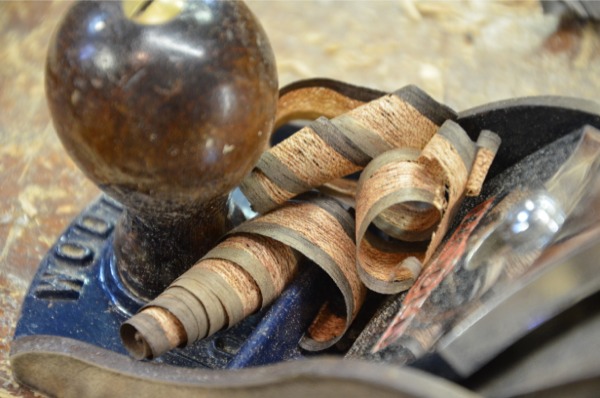
Every plane gives off its own unique sound and so too the different plane types according to size, make and the type of plane. Even planes that appear identical give off a different sound and this is because there are always unique variables within every plane. When I was young, the men I worked with all used different plane makes, but the number one plane on the benches was the No 4 1/2 smoothing plane. The surfaces we planed were almost always wider than 2" hence the wider plane usage. Only doors were narrower and of course the edges we were truing for jointing. There were no Bed Rock planes for obvious reasons.
Try sensing thickness by sound. Adjust depths by listening to different thicknesses of shavings and let me know how it goes.
Comments ()