
Plane Buys On eBay Bring Diverse Possibilities at Good Prices
This week I added some new pieces to my collection of users because I liked the look of them, but more than that, because I new their functionality would suit my daily work.
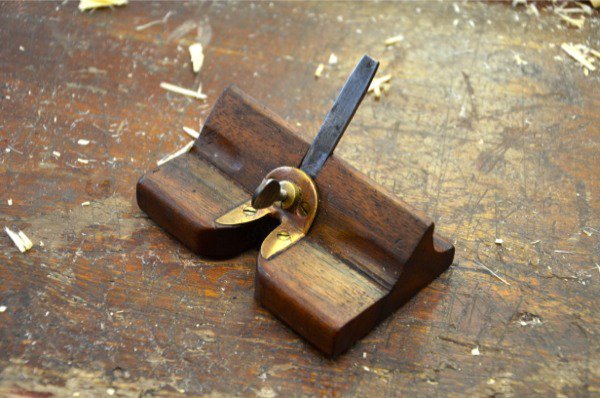
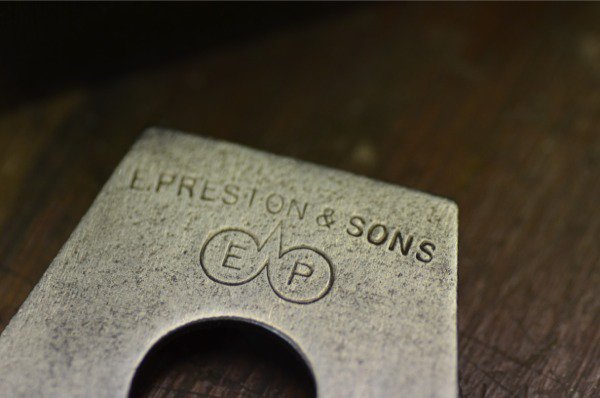
The seller of this router had, and gave, the impression it was made by E Preston because of the cutting iron makers stamp but I knew that the cutting iron was made by Preston but not the plane. I was right, but I bought the plane for its obvious simple functionality, even though it wasn’t a Preston. The body is rosewood with a metal bracket hand made from a chink of brass with a steel thumbscrew that secures the cutter and sets the depth of cut.
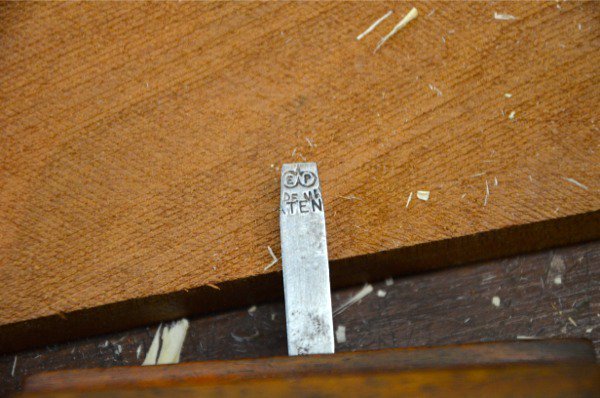
The iron does have E Preston and the E Preston logo stamped on it but its enough off centre and lopsided for me to say the iron came from something else made by Preston.
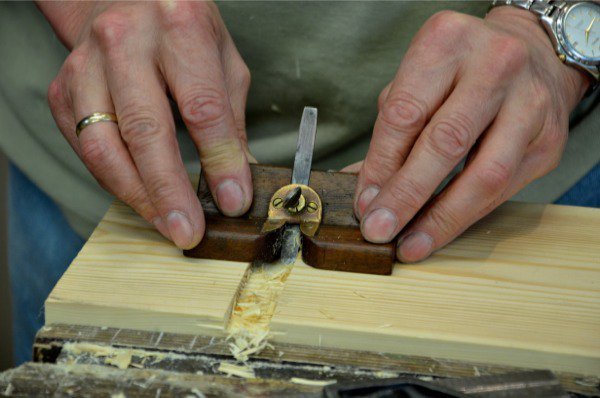
The router plane works nicely and would be very simple to make. It’s one of those heirlooms left to us as a user-made, craftsman-made legacy of functionality.
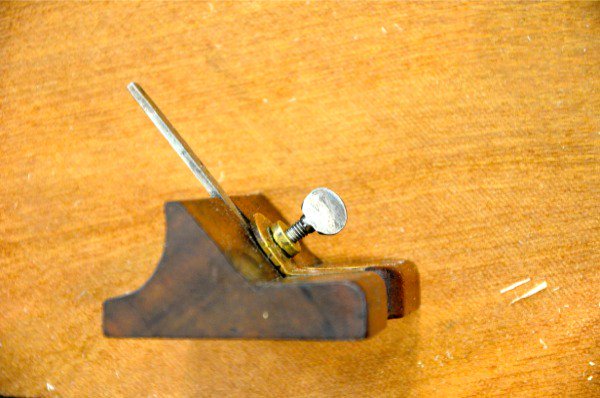

This Marples toothing plane is almost unused and lacks any patina, but I suppose for £14 and full functionality I hated to think it might end its life on a shelf without fully performing its intended use.
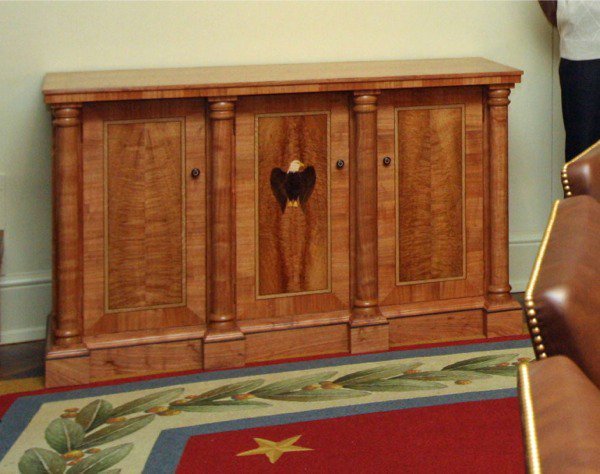
Toothing planes are irreplaceable when it comes to veneer work and especially so when you sequence cut thicker veneers as I did when I designed the two pieces for the Permanent Collection of the White House in 2008-2009.

We book matched veneers using mesquite and other woods and veneered dozens of faces all of which were toothed to the substrate which were also mesquite. Toothing both surfaces allows the two toothed surfaces extra glue surface and a place for any excess glue to channel into. You can also raze the surface high spots and undulations if there are any. It’s a quick way to reduce and remove surface stock. I have two toothing planes we can use now.
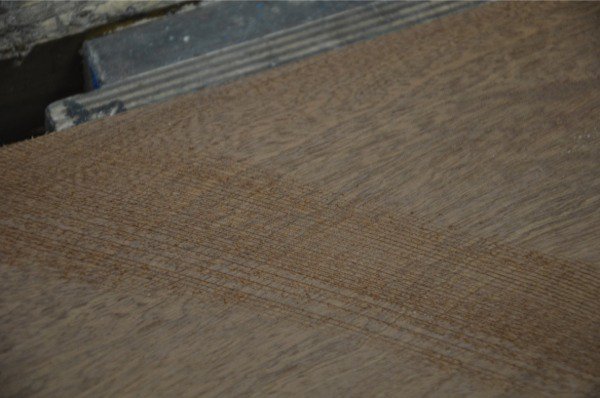
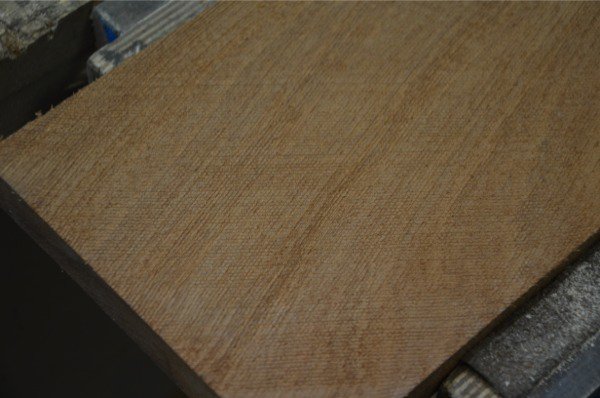
Below are the results of the first swipe at a tangent to the grain (left), and an opposite swipe at a tangent (right).
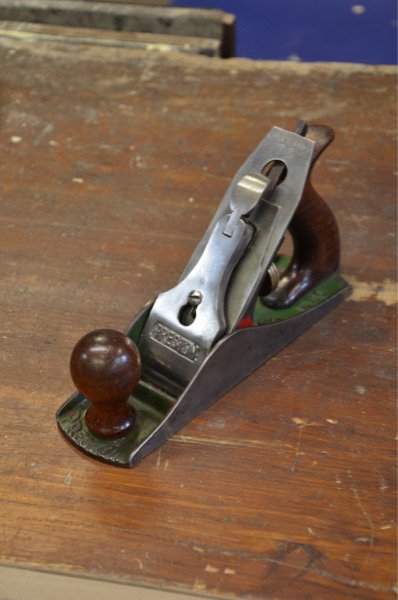
Another special plane is a Preston #14. This is no common plane even though it looks almost identical to the standard bailey-pattern plane predominantly made by Stanley for a century and a half.
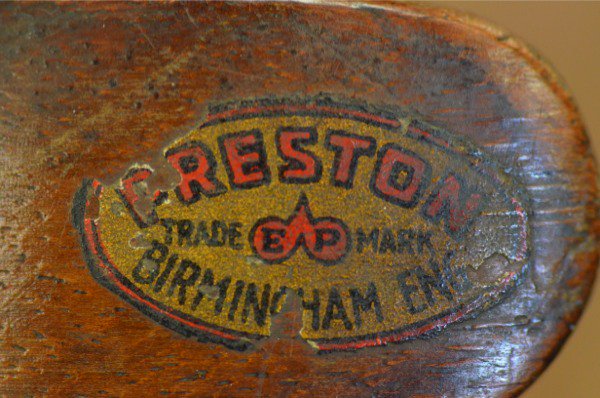
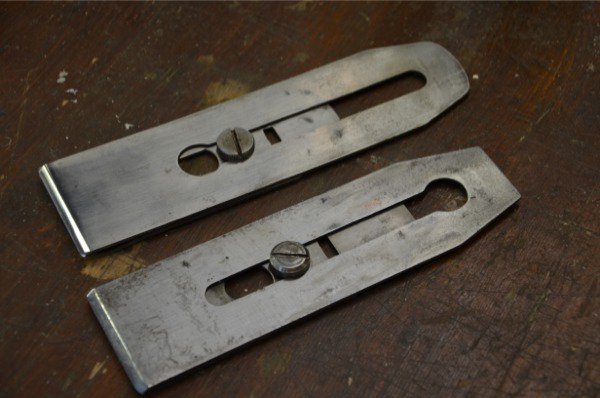
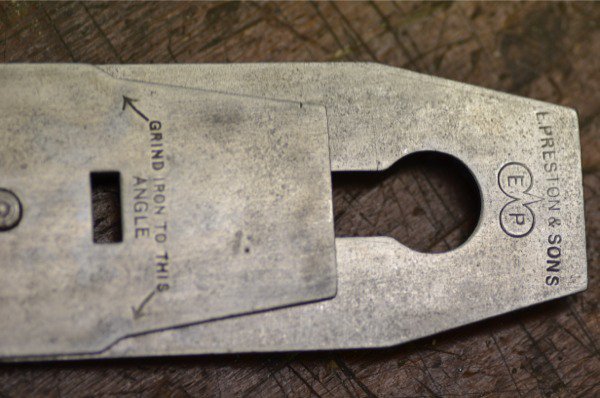

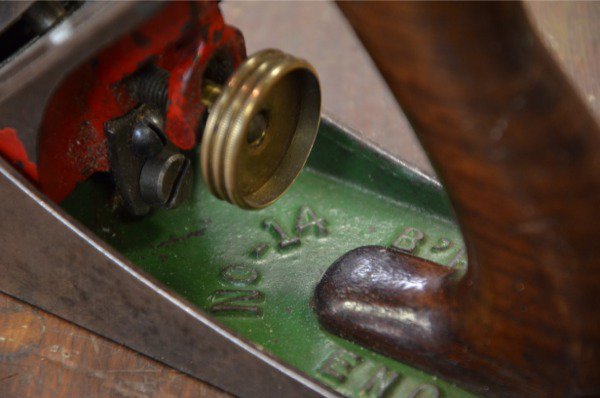
Preston intro’ed some unique features in the body of the plane and also in the cutting iron and cap iron. In class yesterday we completed the restoration as part of the plane restoration section where we teach planecraft. After an hour the plane was peeling off full length full width onion skins perfectly and in a few minutes it felt as though I had always owned the plane. The colours may not suit everyone but I like the stray.

Comments ()