
Does Whiplash in Stanleys Make Any Difference?
Question:
Hi Paul,
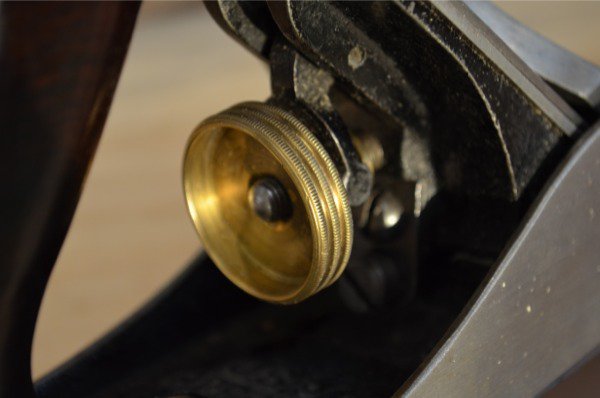
Thank you for taking the time to make your videos, they’re full of great unbiased advice. I have noticed with some of my older stanley planes that the brass adjustment wheel has a lot of free spin, about 2 revolutions before it starts to adjusting depth. Is this a problem and can it be corrected?
Thanks,
David
Answer:
For 150 years the Stanley range of bench planes (UK Records too) made in the US and the UK have been manufactured with what many deem to be somewhat looser tolerances for the depth adjustment wheel. This never was a problem for woodworkers throughout the Britain and the USA and it’s no more a problem today. People do however tout tighter tolerances as being the refinement of finely made planes, hinting that for fine woodworking craftsmanship you must have a highly refined plane with tight tolerances to match the work in hand.
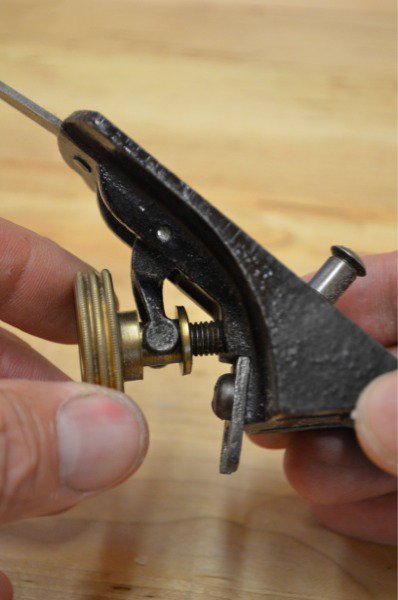
This is very far from the case and whereas we can respect the art of plane makers at any level, there is no substantive proof that bench planes with finer tolerances produced better work at all. I can indeed vouch for this as fact. For about a century and even beyond, craftsmen worked with planes that had two or three revolutions between forward and reverse movement and yet their workmanship still stands exemplary to any modern day woodworker. In other words it makes little if any difference to the functionality of the plane. This became more common a concern in recent years but I have yet to meet a modern plane that will give me a better surface or ease of use. Any whiplash is a mere flick of thumb and finger. The slack take-up is fast when the plane is well used, well oiled and cared for. These are my thoughts and I commend the basic pre-70’s Stanley and Record planes to anyone in search of a good plane. They need no retrofit irons except for preference or if the old iron needs replacing. Otherwise, no changes at all.
.
Comments ()