
Whiplash, Backlash - There is No Clash
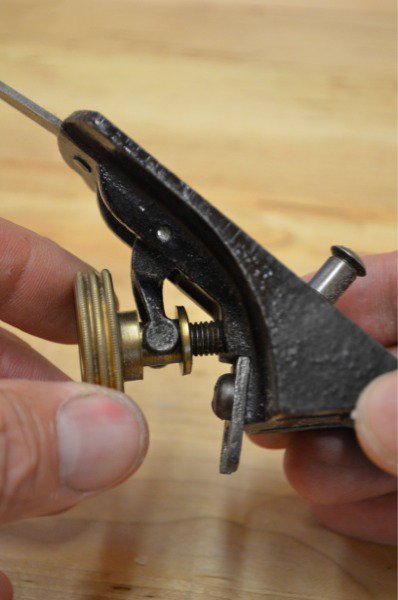
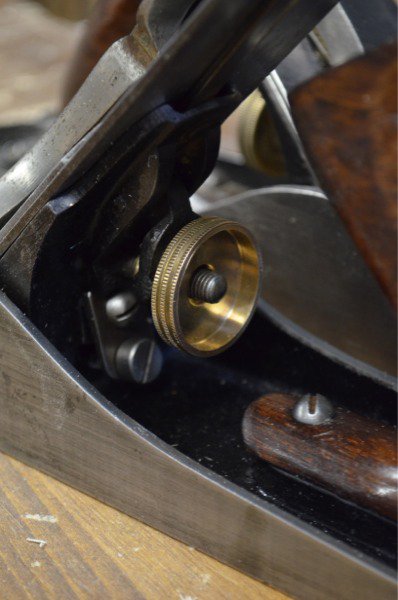
Whiplash or backlash, these wheels have taken up the slack for over a century and they still work great.
I think whiplash is of little if any consequence to woodworkers in working their planes. It never made any difference to me and in reality the Stanley and Records that so dominated for a span of 150 years will likely never change. There are enough of them made to remain in the cycle of life now to out-supply even the demand of the new-genre woodworker worldwide. In one sense the Bailey-pattern bench plane in its various widths and lengths has become a legacy if you will and for the main part nothing has surpassed what has become one of the single most reliable resources available to woodworkers. The price of these planes has steadily risen since about two years ago and in general you can buy them for £20-30 or pay a little higher if it's in good condition and has a yellow box via secondhand markets. I am thankful eBay has given us a place of tool exchange regardless of its possible pitfalls. Tools we would never have found are now providing a good source for us to collect and use tools that would have continued rusting in dark damp cellars and dusty dirty buckets and boxes. Whereas it's true that I like the basic plane for several reasons, it's also true that there are good higher end makers that go to great lengths to make a superior quality tool too. Of course there will never be a true comparison between the old and new as far as longevity goes because nothing and no one challenged Stanley and Record with any serious alternative until just a couple of decades ago. Even so, no new maker actually replicates the Bailey pattern and so the two plane types of Bailey and Bed Rock are indeed made differently to different patterns.
It's not apples for apples at all really.
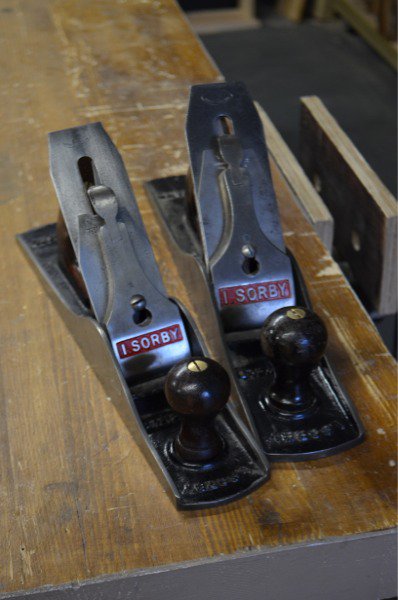
These more modern planes others cite for comparison have mostly been around for a short time and have indeed proven themselves worthy of acclaim when it comes to engineering standards. I am sure as copies they have seen changes and even some quite simple engineering improvements in standards that have raised the bar, but for the main part it's not so much this that most woodworkers are actually searching for in restoring an old Stanley or Woden or Sorby or Marples or Millers Falls or Sargent can never be found in lesser models from cheaper imports or the high end models either. The lessons learned from restoring and fettling a plane is the working knowledge they gain and the added satisfaction from actually bringing something back to its fuller value of usefulness and functionality that somehow knows no equal. And even more; it builds the kind of confidence new woodworkers and machinists transitioning into hand work need. This newfound confidence strips away the intimidation of fear and doubt setscrew by setscrew and shaving by shaving. There is no plane made today that equals my #4 or my 4 1/2. Not because it was ever restored but because it came in a yellow cardboard box and I filed on it and sharpened it and it has been serving me for about 50 years and somewhere around 30,000 plus hours to date. How about that. Another thing to remember for me is that it's never once been repaired. Imagine! In all of those hours it has never once been repaired. I would hate to think that I would have been lugging around a heavier plane or sharpening an iron twice as thick or hard on top of that. Phew! Spare me. Total that up on top of the tons already there.
There can be no doubt as progress closed down the traditions of hand work over the past 50-90 years or so, so too we've seen a general declining in woodworking workmanship calling for skill and real insider knowledge once passed down from one craftsman to another emerging one. Just as the Stanley (of old, not today) supplies an endless supply of old planes, so too the internet is now bridging the gap in providing a working knowledge that no that no longer relies on the traditions of the past. Though I might lament the loss of what came to me as I was guided by a craftsman who watched me and helped me in my struggle, I am glad that I can pass on what I know to thousands of woodworkers around the world.
Comments ()