
Why Socketed Chisels Turn Loose
Several of you have emailed to ask about your socketed chisels made by Stanley and Lie Nielsen, what I feel about them and why the handles come loose from the steel sockets. First of all, the early Stanley models were are good chisels made with good steel and wood. Everything that Lie Nielsen makes is top quality and that really goes without saying. So, there is no question of quality.
With regards to the currently-made Stanley sweetheart 750 range of chisels supposedly made in Sheffield UK, I doubt that they are, but we don’t really know. The last time I contacted Stanley to see if I could see where their, “Stanley of Sheffield UK Making High-end Planes again” planes were made, they said that, “They are not made in the UK, they are made in our plant in Mexico.” When I pointed out the dishonest presentation in the magazine press releases going viral they responded, “Stanley has an office in Sheffield, nothing is made here any more.” Now I don’t know if this still holds true but perhaps if anyone does know they can let me know.
Things you should know about socketed chisels regardless of the maker
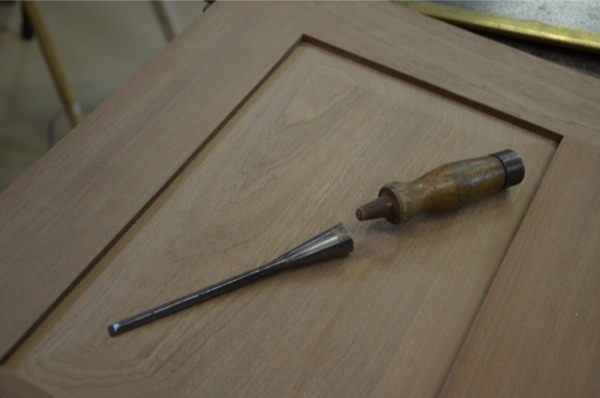
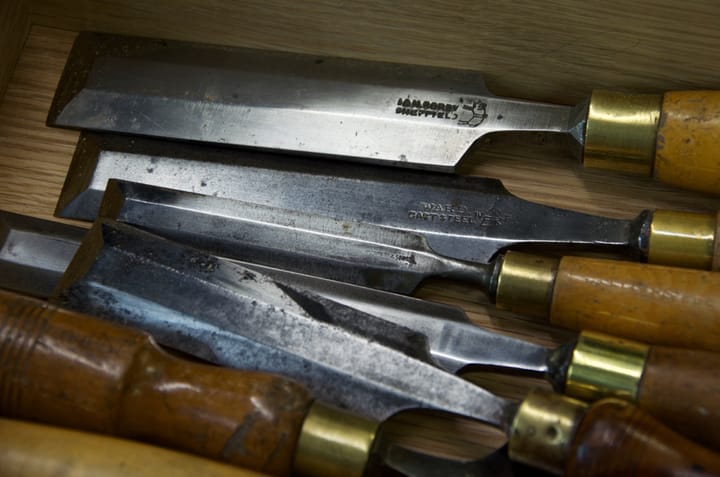
Socketed chisels didn’t start with Stanley and it doesn’t seem they will end with them. Blacksmiths of old made them back in the 1600’s and on through to the early 1900’s. Here the core essentials:
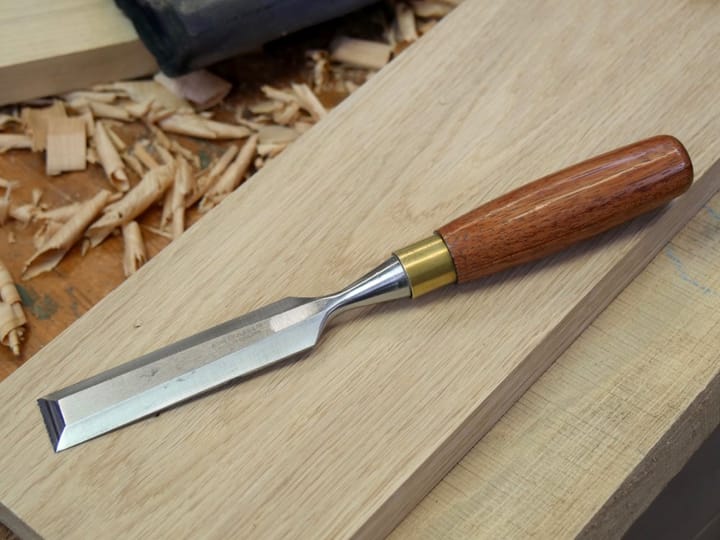
This socketed chisel was made by Marples
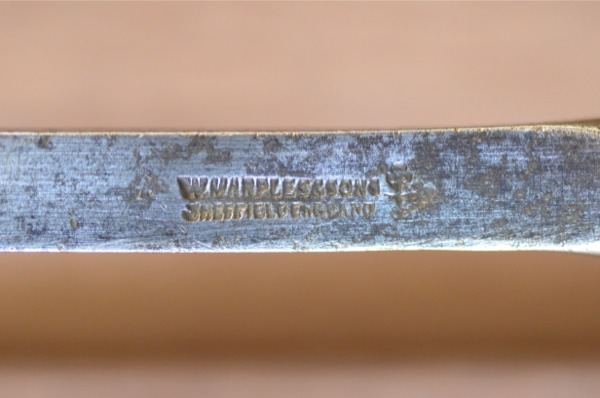
- The cone relies on a good initial whack to ‘seat’ the cone. usually they stay, but they can come loose at times.
- Wood is a breathing material and expands with moisture. If the cone is shaped when the wood has higher moisture content it will turn loose as it shrinks. This can a be difficult to control. Ideally moisture content should be low during manufacture, but that still doesn’t stop exchanges taking place after purchase and therein lies the real reason we have an ongoing problem with this chisel type. Buying a set of chisels in Washington state and taking them to west texas and Arizona means the handles will fall loose from the socket. Not much you can do about that, but they should reseat with a good whack if the above criteria are looked at in your analysis.
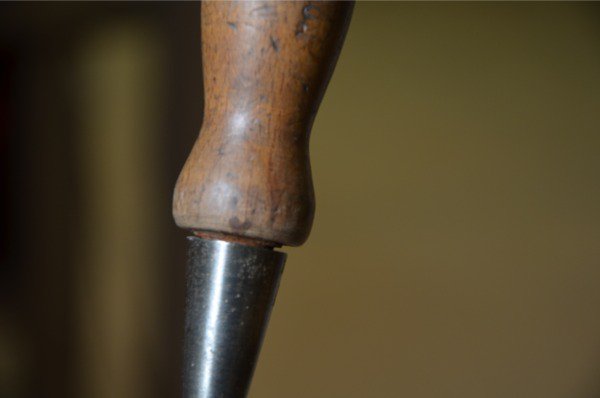
It’s important that the shoulder line between the chisel handle and the opening end of the socket remains separated by a margin great or small. 2mm is good but more works too. You can return the handle to the lathe and remove more of the shoulder if needed. Stay away from the cone shaping if it seems to match the inside of the chisel cone.
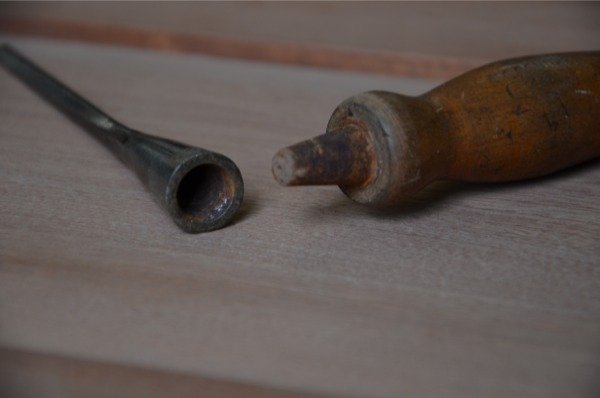
The tapered fit should be like a morse taper on a drill chuck or lathe drive. Any wobble gives sway to wear and a loose fit will worsen. You can rechuck the handle for corrective work if needed or fare it as best you can with a flat file, carefully.
The thing they rely on is that the conical end of the handle that fits into the socket should not bottom out in the bottom of the socket housing it. In other words, the point of the cone shouldn’t reach to far down and thus stop the tapered mating to the walls of the steel socket. If it does, or you suspect it does, take of 2mm or so from the point.
Comments ()