
Discovering Wood
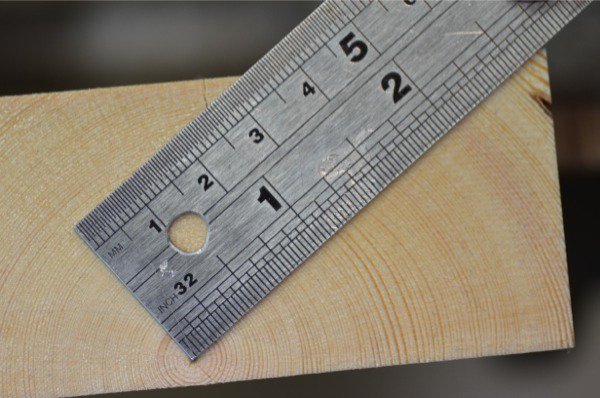
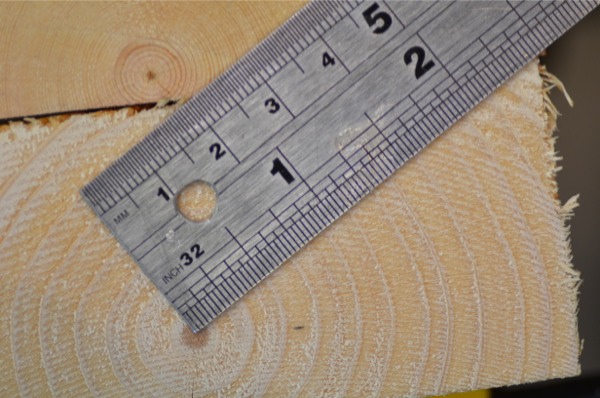
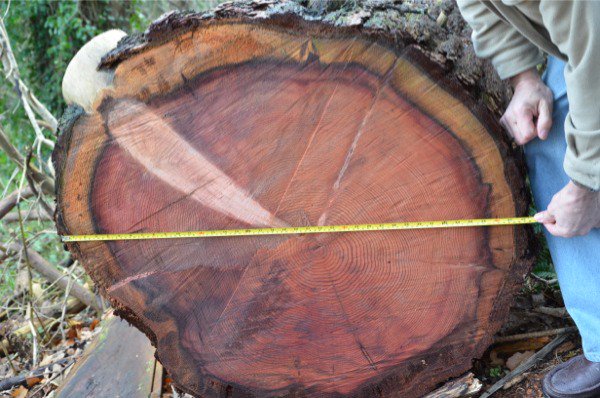
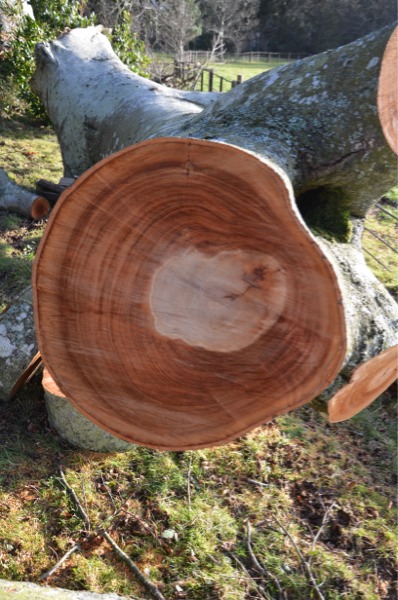
Today I was astounded by a piece of 2” by 4” Scandinavian Redwood I cut for planing practice for the students. Actually, two types of wood. The other being spruce. The thing that struck me was that the 2” x 4” pine had 150 growth rings over 70mm (2 3/4”). So this specific tree still standing a year or less ago measure 5 1/2” in diameter and it was 150 years old. In the grounds of the castle are American Redwoods 113 years old that measure 37” in diameter. Another piece of spruce I had in a 2” by 4” section had 20 growth rings to reach the same size as the Scandinavian Redwood. Anyway, I that was so interesting. Oh, and then there is the beech tree that was 150 years old also.
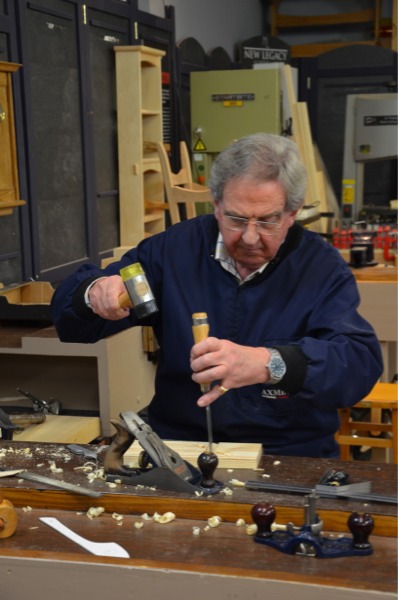
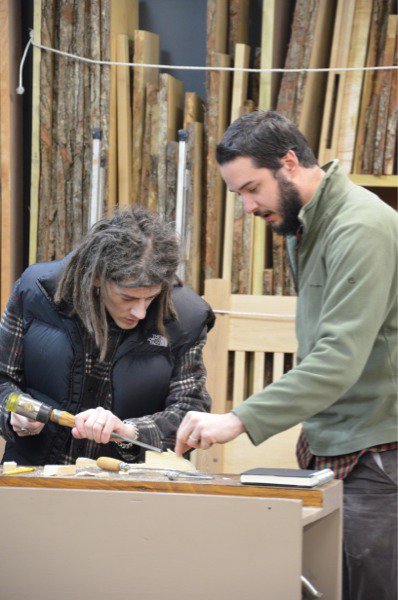
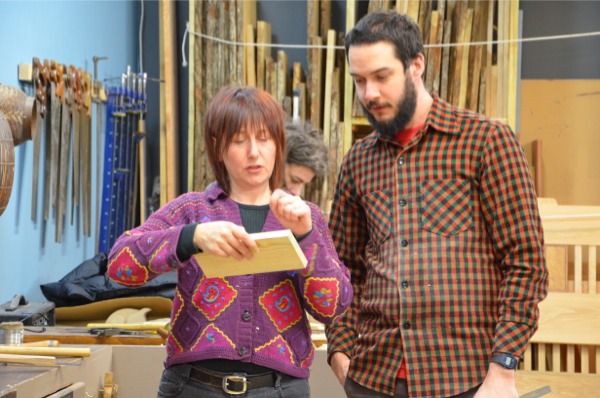
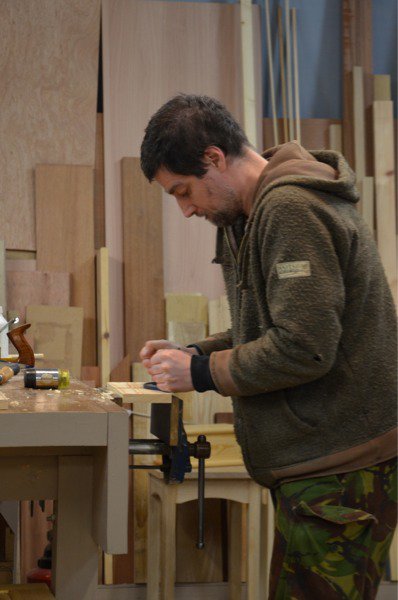
Another interesting thing was the wonderful day we had Discovering Woodworking in the workshop today. I love it when students come with almost no knowledge because there is so little we need to do to dismantle knowledge from the great world of misinformation. We were able to give direct information about the reality there is in one simple fact about traditional hand work and that is that most of what we hand tool enthusiasts do we can do with about ten hand tools. We will need more as we grow, but to get going on joints and planing wood smooth, making hundreds of projects and such, we can do exceedingly well with just a box full of hand tools. Add into that equation the reality that we need to know how to make only about half a dozen joints to make almost every type of structure and we simplify even more. So, what do machines do that we can’t do so readily with hand tools? They do what they do best and that is they give us the ability to convert large sections into small sections. So that’s what we learned as we split wood for spatulas and planed 2x4’s to learn how a hand plane like the Stanley #4 planes wood silky smooth. We learned that there are many other joints too and that machines do do things that can be difficult by hand but that for most of real woodworking we can do it efficiently by hand. We compared heavy planes with lightweight planes and we oohed and aahd over the differences in the hand. Splitting wood for a spatula introduced us to grain inside rather than just fingertip sensing and visual reference. We planed and chiseled with affordable tools and the joints we all made held together without glue, screw or nails. The questions came in by the dozen and it was as if we were all sitting on the edge of our seats throughout the whole day except for most of the day we were actually standing at the benches making.
I know we all felt what Walter Rose felt when the time came for bed. He wrote something like “beneath the bed rose quite content.” Meaning he was in bed after a hard days work looking up a the rose, the light fitting in the ceiling, feeling contented.
Comments ()