
Making a Curve-soled Plane - Here it Comes!
Everyone needs a curve-soled plane at some time
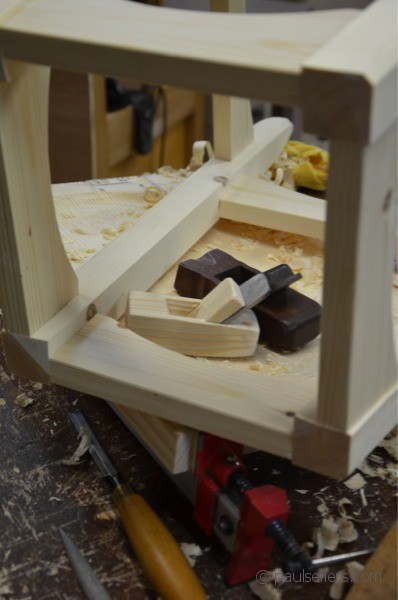
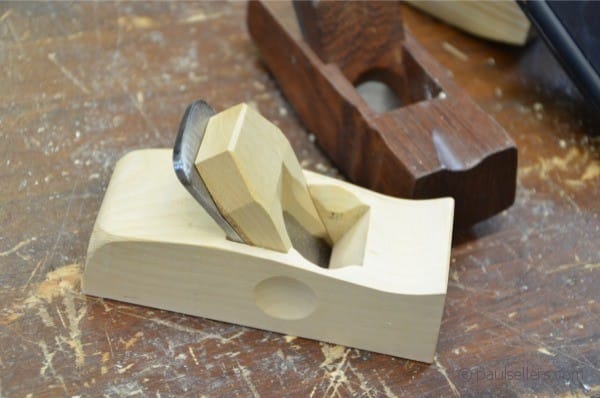
It's not often most woodworkers have need for a contoured seat or a hollowed bowl but if and when they do the reality of sculpting a smooth and prefect surface can present unquestionable doubt. The hollow defies flat planes, that's obvious, and even compass planes curved in a single arc cannot help much if the hollow is truly dished. A curved plane sole curves in both directions, enabling the plane to work in more a scalloping, hollowing action. Thus any surface in any wood to any contoured area can be brought to superbly refined levels of workmanship. Only one or two steps remain before the finish richens the grain and polish is perfected by years of use by the new owners or owners.
Many hand tools make good seats and indeed many have been developed to both rough carve and finesse the hollowed bottom shape to a chair. Scorps and inshaves, travishers, curved spokeshaves, gouges, and scrapers all spring to mind and these tools all readily remove the wood to accommodate man's posterior in comfort, but these tools come at a price that to many if not most can be prohibitive. Buying one of each will cost you around £400. On the other hand, few tools match that of the plane we are about to walk you through here and whereas all of the tools mentioned are extremely valuable to any artisan carving a chair seat or a dough bowl, the price for making one of these is about two hours work and less than £3 in materials. Give it a try. You will not regret it. If you want to wait, we also have a video coming and it will be free to any and all who own a free subscription to woodworkingmasterclasses.com
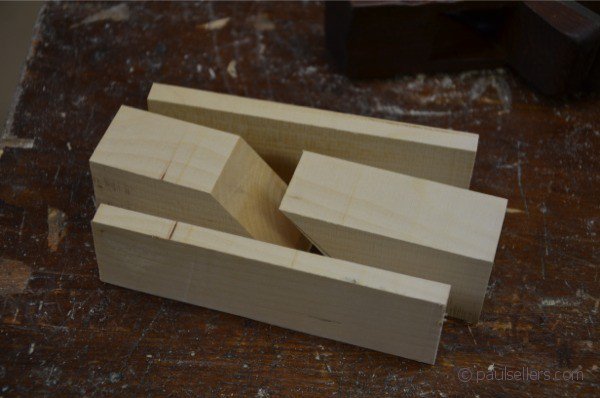
Any wooden-bodied plane can be readily made in about two hours from just about any wood ranging from spruce to oak and rosewood to laburnum. Some woods are stable and some not. Some hard and durable and some not. All woods fall anywhere in between. The choices are not as wide as it may seem, but don't let experimentations stop you and if you need only one plane to perform one objective in a project, use any wood you have to hand. Most seats can be refined to contour in an hour after rough carving.
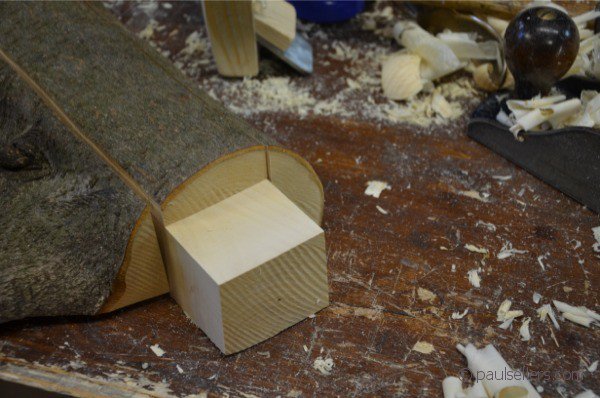
The traditional wood for planes is beech. Beech has all of the ingredients for a good and serviceable plane. I like other woods and especially woods like maple - hard maple - curly maple. Hard maple is a durable, dense-grained hardwood readily available in the USA, available less so in the UK. The thing that the two woods, beech and maple, have in common is that they have consistent grain density throughout the growth rings. In other words there is no hard and soft aspect to them. The hardness is uniform throughout and so they wear evenly. In the case of the plane I am making here I took my block from some very dense-grained Indian Laurel by slabbing off the sides on the bandsaw. You could do the same if you have dry wood as I have. If not, you can use any wood including a yellow pine two-by-four.
To make this radius plane you will need a block of wood 2" by 2" by 5" long or pieces as follows: 2 @ 3/8" by 2" by 5" long and 1 1/8" by 5" long. The plane is scaleable for larger and smaller versions and of course just about any radius can be made, in which case you will have to scale your wood accordingly. Use a harder wood if you plan on using them extensively. make sizes fit for purpose and develop others using the simple principles outlined in this short series. The iron measures 1/8" by 1 1/8" by 3 1/2" and is made from O1 steel flatstock and you can buy it from MSC in the US and here in the UK eBay store I use. Cost is around £15 for a plate that will make about 6 plane irons.
Note: The version made on Woodworking Masterclasses requires a 1 1/2" wide blade.
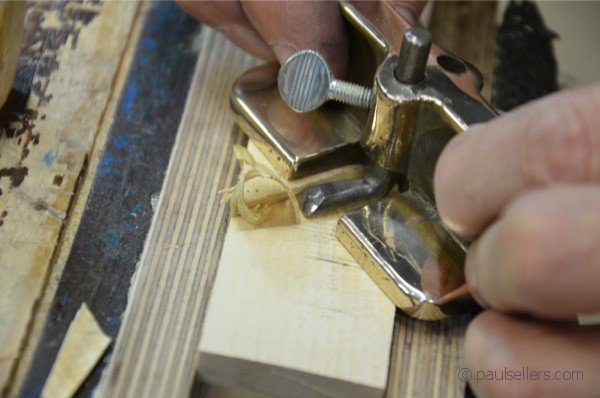
The tools you will need are:
Square
Plane
Chisels
Knife
Small hand router (optional)
Spokeshave
Marking gauge
Rasp
Tenon saw
Handsaw
See you soon!


Comments ()