
Making Wooden Spoons by Hand.
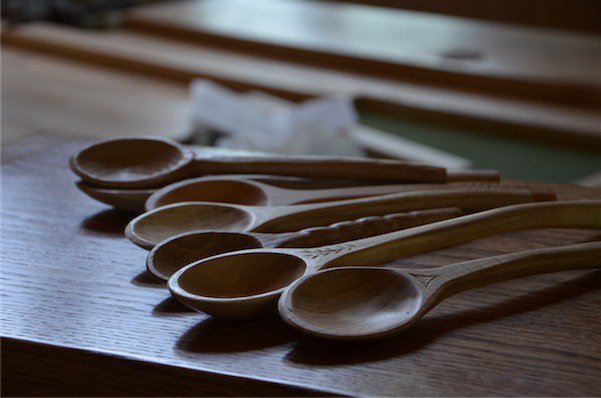
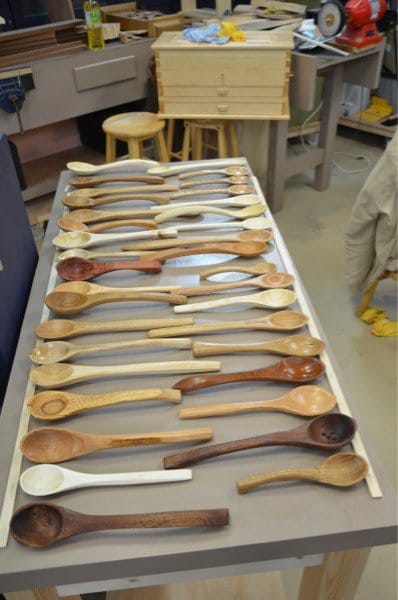
In preparation for this blog post I want to suggest some things that will make the task systematically simple and safe to do. This is all before we get into the actual step by step how-to with drawings and images later this week. I think that it’s important to establish methods readily inclusive for raw beginners and young people. Many people are using axes and curved and straight knives, more a mainland European method, but I want methods people can use working from a bench or a shaving horse and using green or dry wood whilst supervised to keep smaller fingers, hands and the body safe.
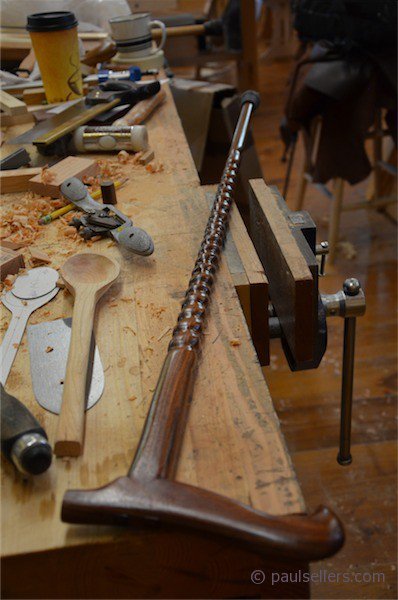
I have always seen spoon making as a first level carving course for every and any woodworker. I also see the methods used as formative to more specialised areas of woodworking such as carving and shaping, which can be used in decorative aspects of furniture making, carving and shaping aspects of boatbuilding, carving and shaping elements of musical instrument making and of course much more than even that. Additionally, carving spoons as opposed to machining spoons gives much deeper insight into the complex structure found throughout all types of wood grain. Using routers and bandsaws, belt sanders remove most skill and does not require the engagement required for hand work . Even though the methods used to carve and shape may possibly end with similar results, this is not so important as understanding the symbiosis in the action of hand tool cutting edges as they penetrate the multifaceted levels working wood grain with hand tools alone brings. Seeing the deeper creative level we enter through hand work is to enter the wood grain. It requires perceptive inquiry and sensitivity to develop shapes of different types in manner that’s controlled and effective. The end result is not the spoon at all but the boat builder and the violin or guitar maker, the kayak and canoe maker and the carver. These are what lie beyond the chips on the floor and the tools on the bench. Don’t be afraid. These steps toward creativity are between you and what you carve. You’ll enjoy the change.
Comments ()