
On the Stanley #4 1/2 bench smoothing plane and others
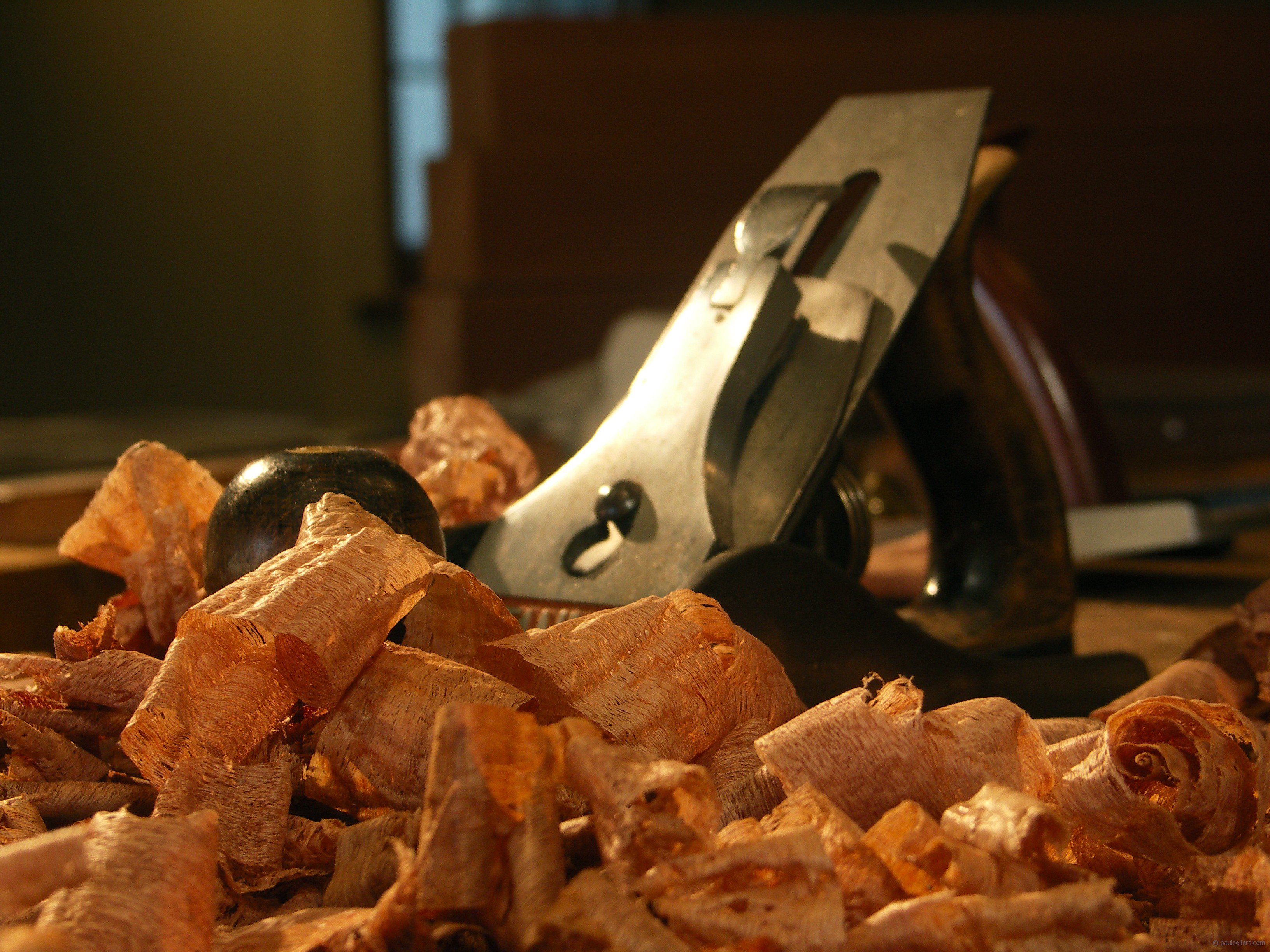
I have relied on a Stanley #4 1/2 smoothing plane for forty years plus. Next to the #4, this plane sits squarely in my tool chests where ever I go and work. I need them both, but can manage adequately with either one. I like the light, versatile weight of both, but choose the lighter-weight #4 for my usual lightweight work and the increased width of the #4 1/2 for wide work and work that needs a little more strength without too much heft; but, as I say, not too much. If I need even greater power, say for wider edge work and greater lengths, I reach for my #5 1/2 or, for narrower stock, my #5. All of that said, the Stanley #4 is still my foirst choice in the order of planes. The nice thing about the four planes I mention as my essential bench planes is that I can buy all four on eBay or from secondhand dealers for under £100 or even $100. The work in perfecting these planes is about one hour a piece. So, in just about four hours I have a full compliment of bench planes at my service for a lifetime of working wood. Now that’s value for money. This week we will be working through two of these planes to help you to get the best out of them. We will start with finding and fettling them and then we will be working on some technique methodology that will help you to better understand what you can and cannot expect from these incredible tools. We will compare them to the wooden ones we have and assess how the perform in the hands of an expert, which I present from almost 50 years of working with them. If you have any questions about planes that your are struggling with, please let me know as I am working on a new insights publication for bench hand planes and your questions will help us to present a fuller offering for hundreds of thousands of your fellow woodworkers worldwide.
Comments ()