
Texture - finding yours
St Fagans National History Museum
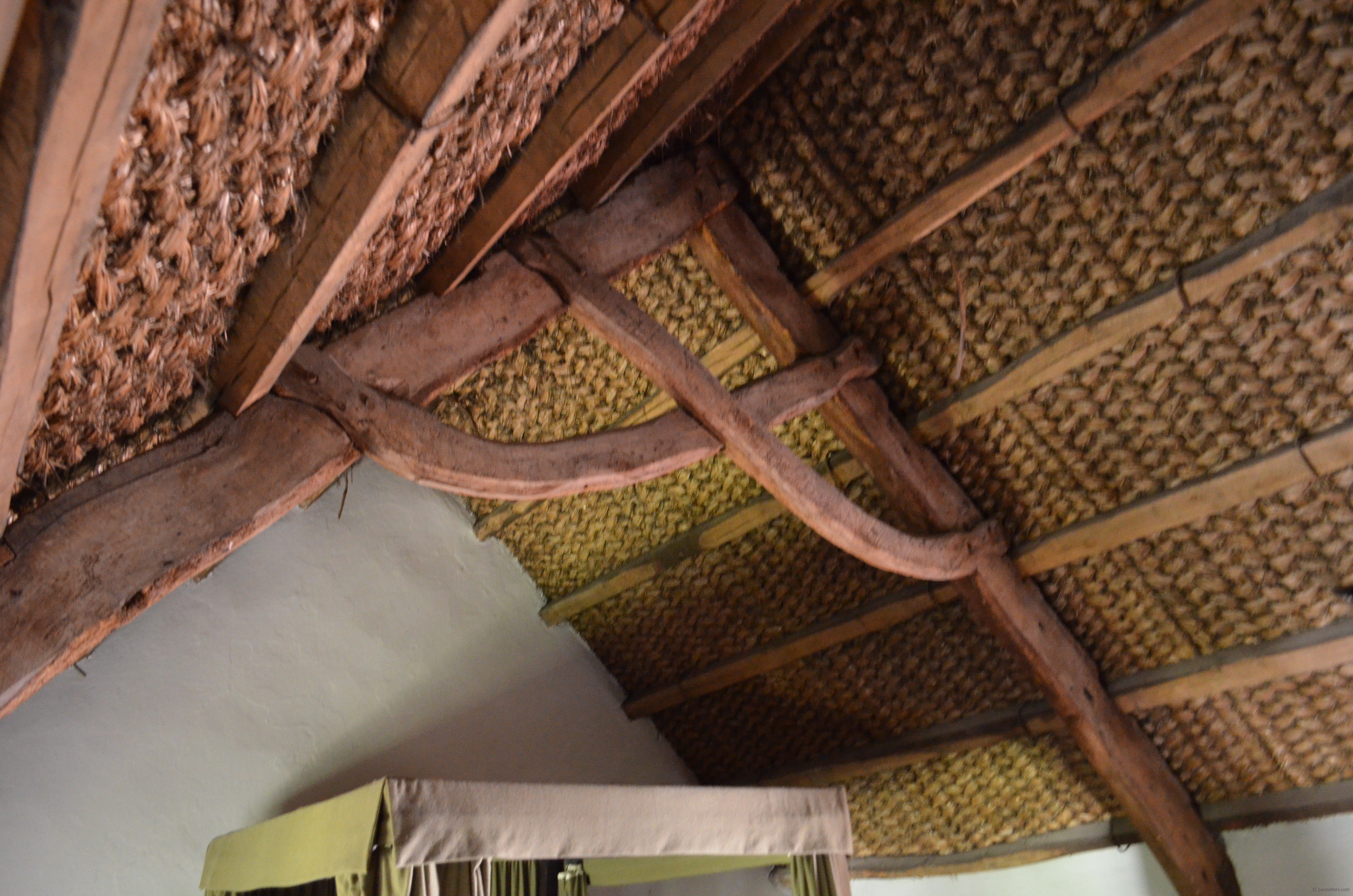
In my research this week I have found myself more and more looking for texture of the lives of craftsmen and women from times past and thereby found myself time and time again contenting myself with a different view. I see hundreds of pieces of work each week in my surroundings, wherever I am. I look at unsigned work where most crafting artisans were very much unknowns. Oh, unsigned work had the unintended mark sculpted unwittingly in the way the work was done, that’s true, and rather than the boldness people seem more disposed to today in always signing their work or installing brass plaques somewhere, I discover a certain cut,a mark of workmanship belonging to the owner identified to a wrist movement or twist of the arm or fingertip. I also find something evident but often unrecognised. It's a quality of completion I call ‘rest’. It's a fulfillment evidenced in finished hand strokes, swipes, twists and so too the pieces that served families, communities and industry for centuries, yet had no signature anywhere to be found. That for me was the mark crafting men and women left to us. It was our legacy if you will. He, she, they, lost themselves, their energies, their accuracy in their work, saw no need for recognition and acceptance, and kept themselves wholly secure by demand for the quality of what they were known to produce within the local community in which they lived and served. Though technically part of a global culture, they recognized only their life within a definitive sphere of creativity isolated by natural proclivity; they lived in their work and lived their work. Their work found meaning locally. They saw no need in seeking fame, and mass income was indeed limited by social status not global economy.
Textured past
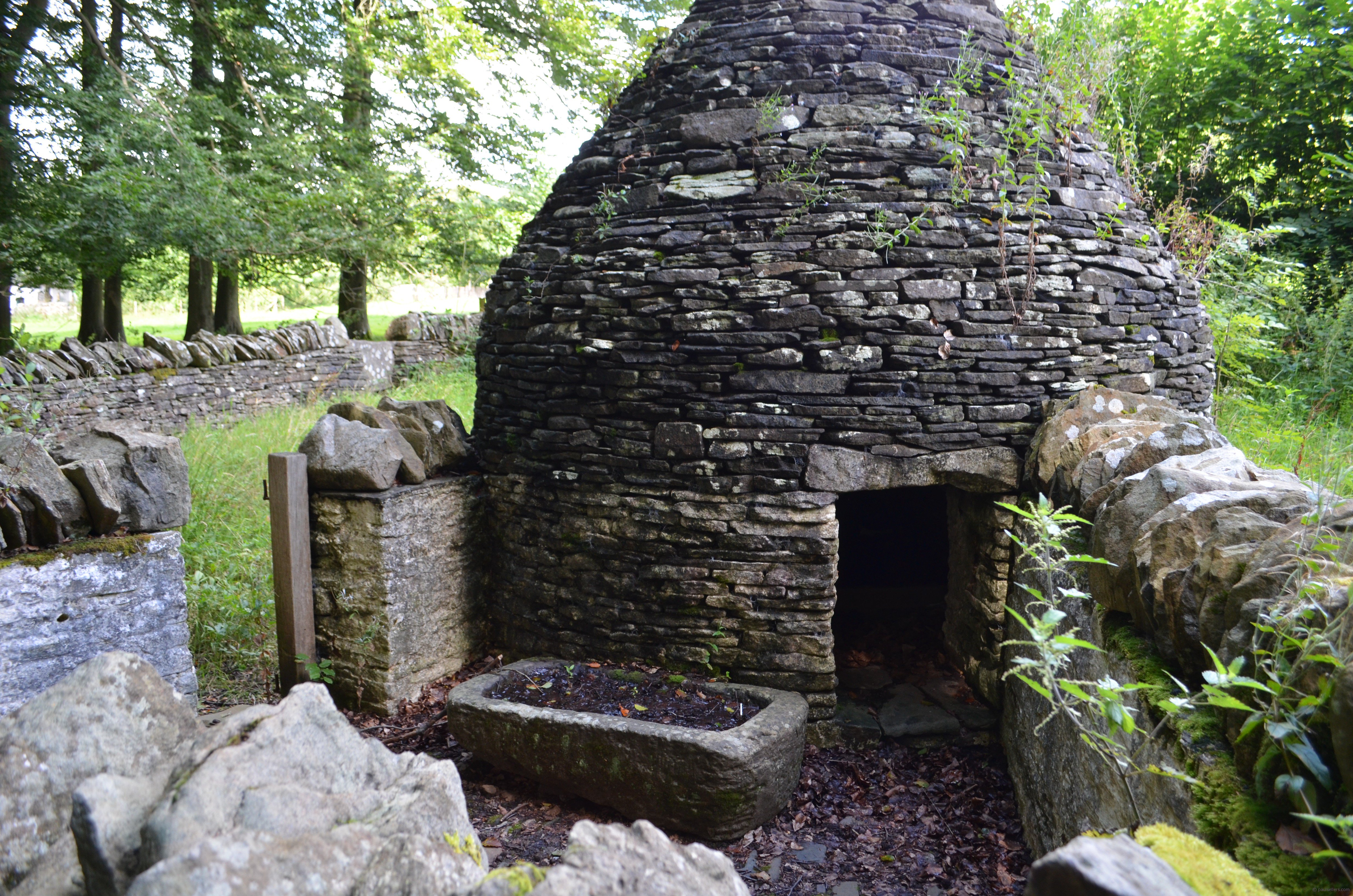

Texture comes in surfaces most walk past and never see or understand but somehow they know it. The feel things they do not necessarily see or hear as they walk past a pig sty or barn crafted from straw and rough wood, split slate, woven reed and such raw, unmade material. They see trunnels and pegs in walls and doors and frames and know nothing of how they were made. They see chairs riven from sticks and logs and a board of now polished wood and something calls from deep to deep. Something resonates inside them as they feel and sense textures no machine will or could ever make. They feel carved seats and spindles, run their hands over barn doors, touch iron wrought in the forges of workmen two hundred years past. They know nothing now of the tools a man used “back then”, save to see them hanging on the barn walls or in the hands of an unskilled volunteer poorly demonstrating their worth, yet inside their hears they know that the cell phone in their hand and the car they drive has no such life. Textureless has become the norm. Plastics merely stamped and moulded in cheapness yet, undeniably, costing the earth. Unhandled by any man or woman. Were I to include a picture of an iPhone here it would indeed puncture the whole. We may not quite know why, but we know that.
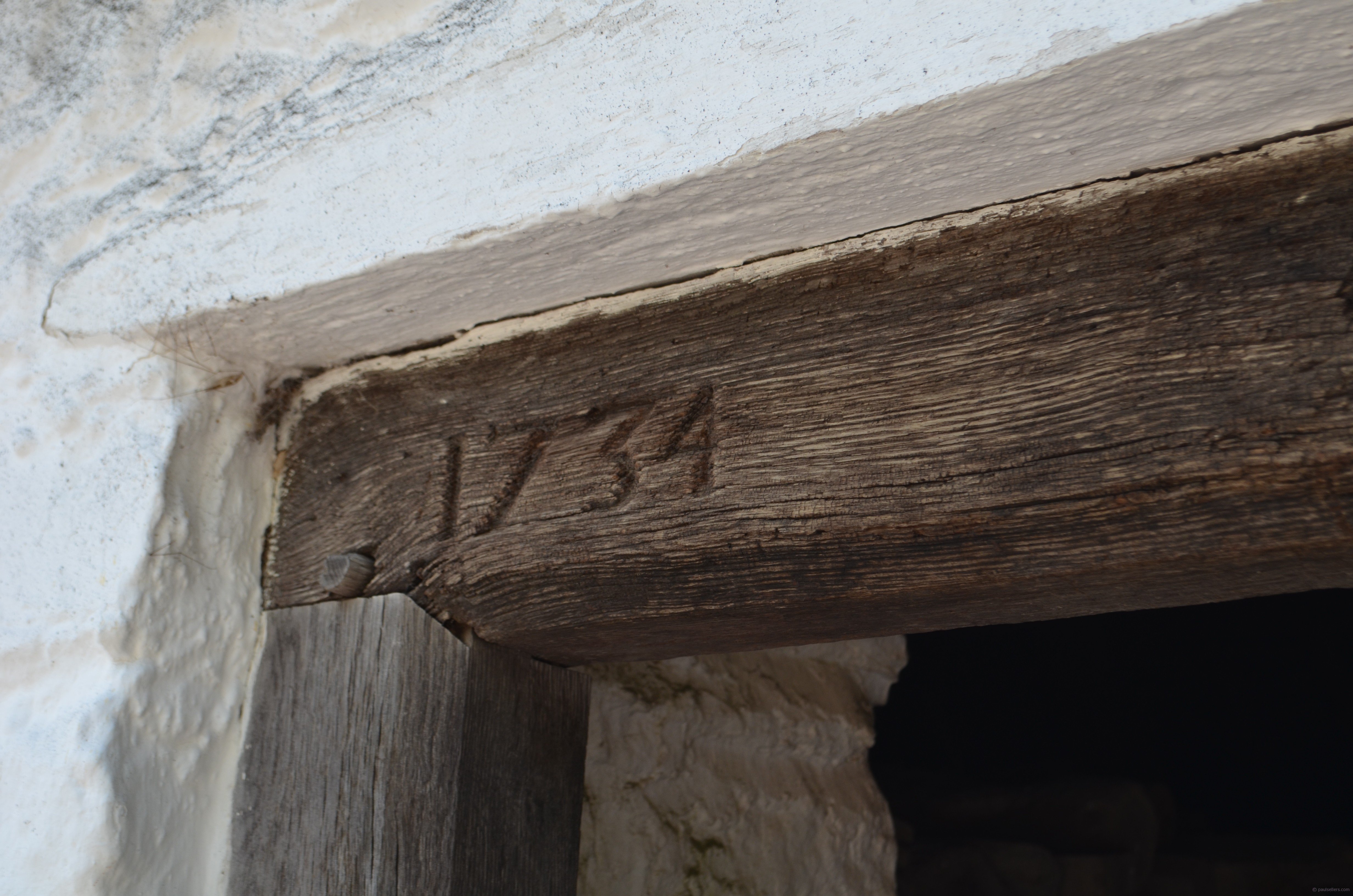
I stand by a man in an almost empty room, furnished with a sideboard and three-part cabinet beyond a dining table. He tells me he is in the army. We talk about, well, texture. We look up to the vaulted roofs and and the hand shaved beams and rafters standing still on rough-hewn posts. A woman talks of the cabinet and says that the man who made the base unit for the woman he would one day marry gave this as his token of love. He makes the second part as affection between them grows and then he adds the last part when they marry for life. Texture carved by the hands of a man expressing life to life. Now the man in the army reluctantly says, I'd go back to this." I nod in agreement. We both know.
More texture
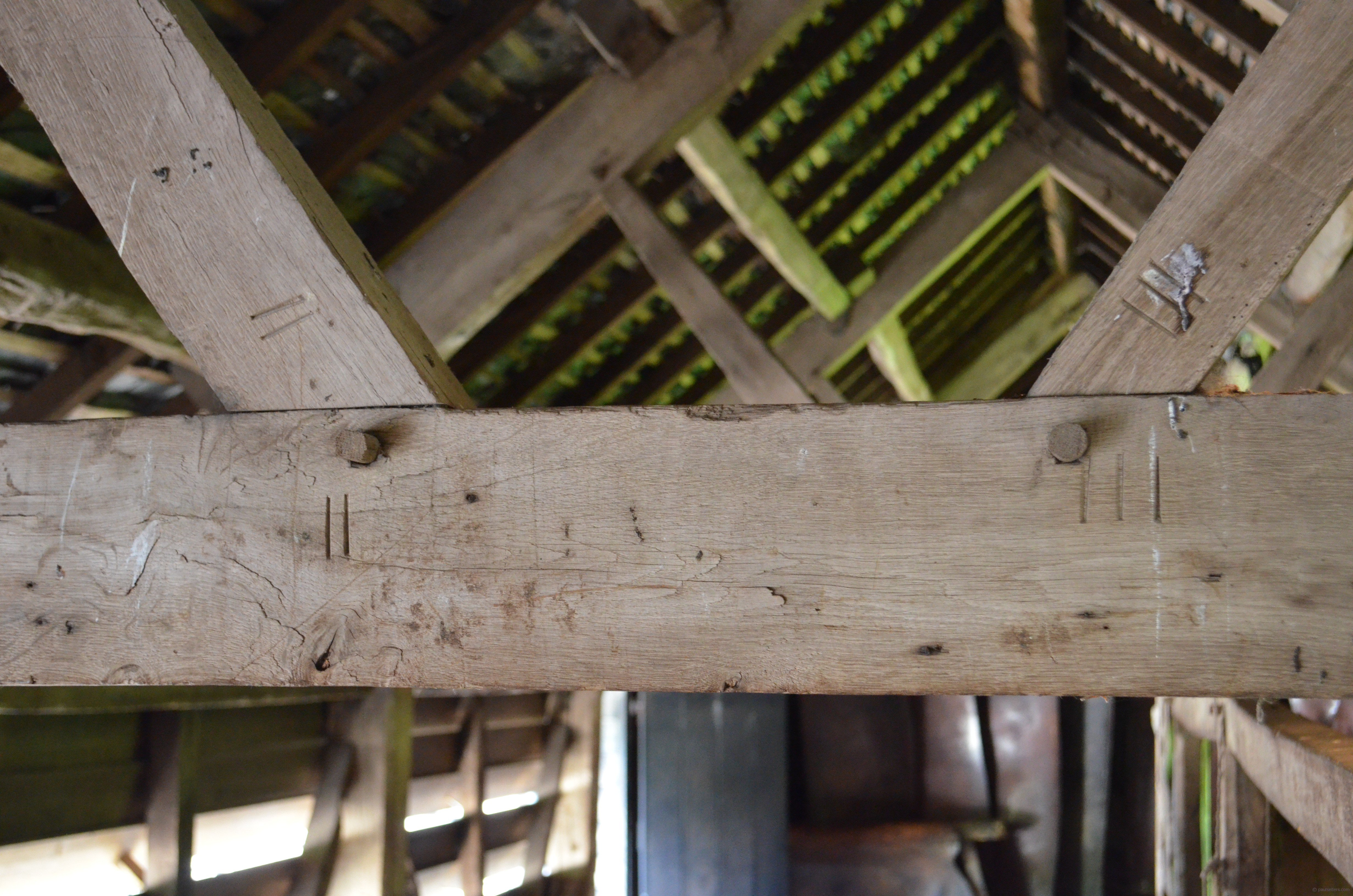
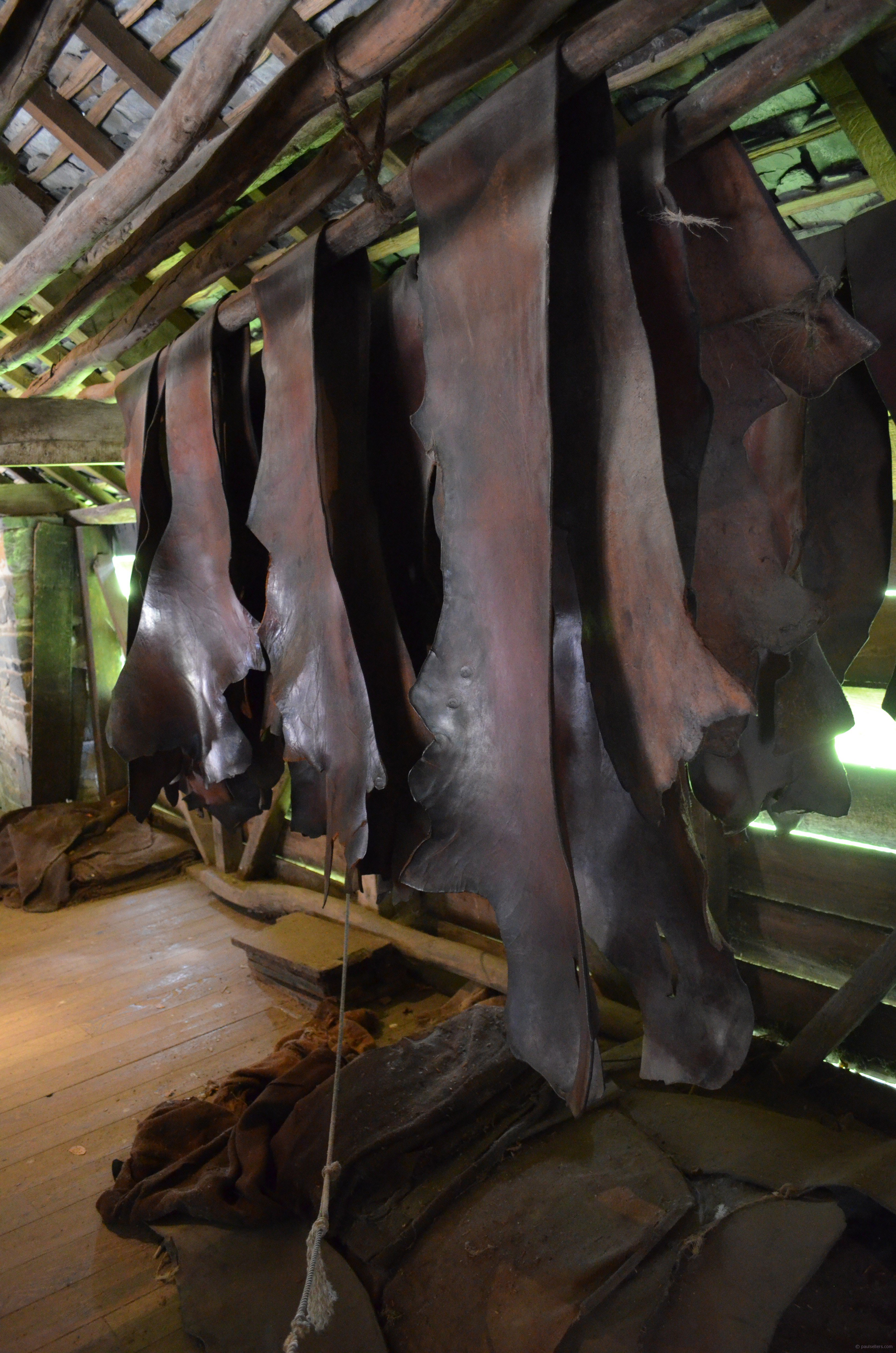
Hides of leather hang stiff, unsupple, yet to be formed into harnesses and saddles, collars, seats and straps large and small. The tannery pits look organised and primed ready for work yet the time this texture was in place is suspended, isolated, no longer a part of local life, local artisanry.
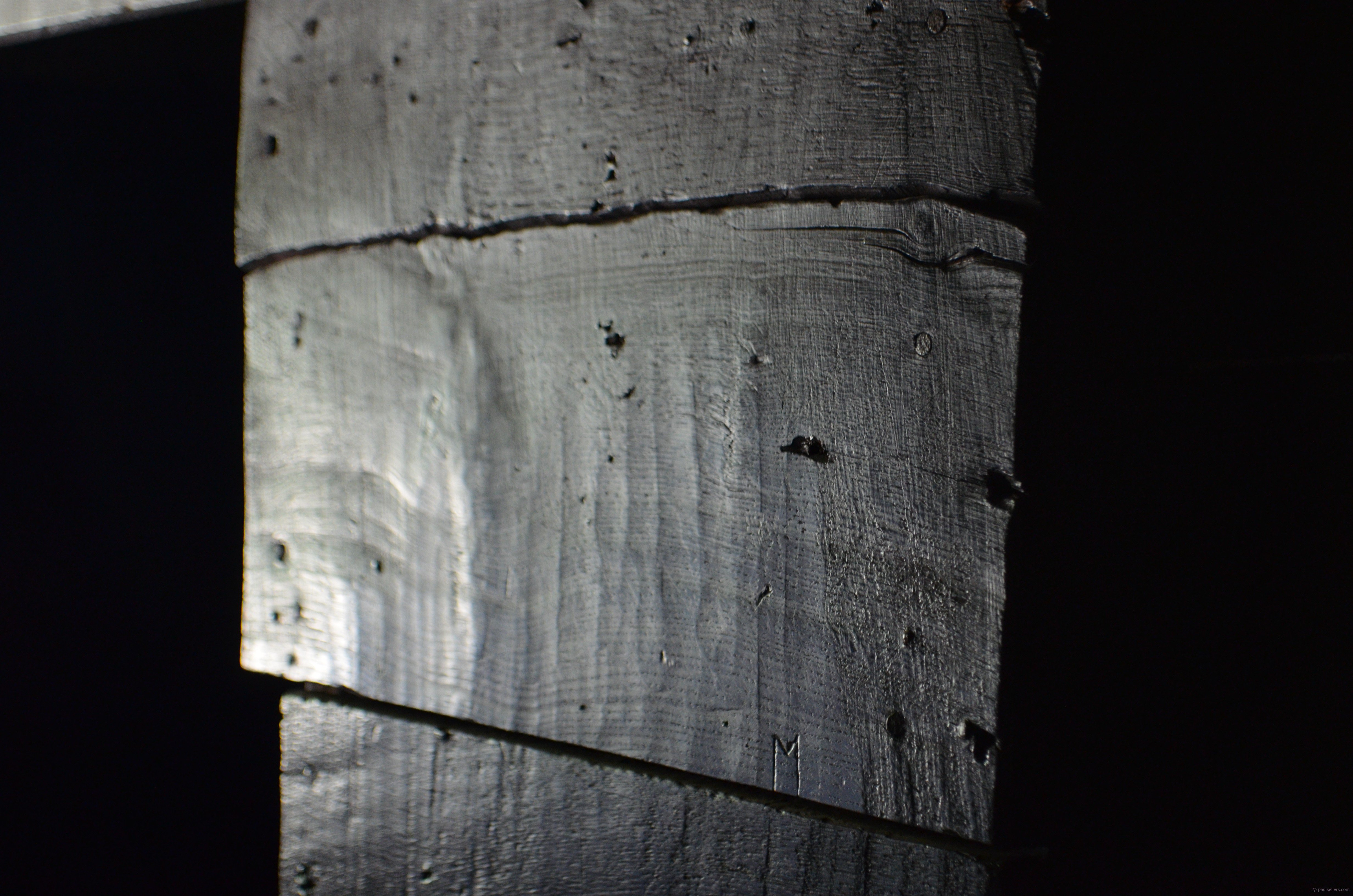
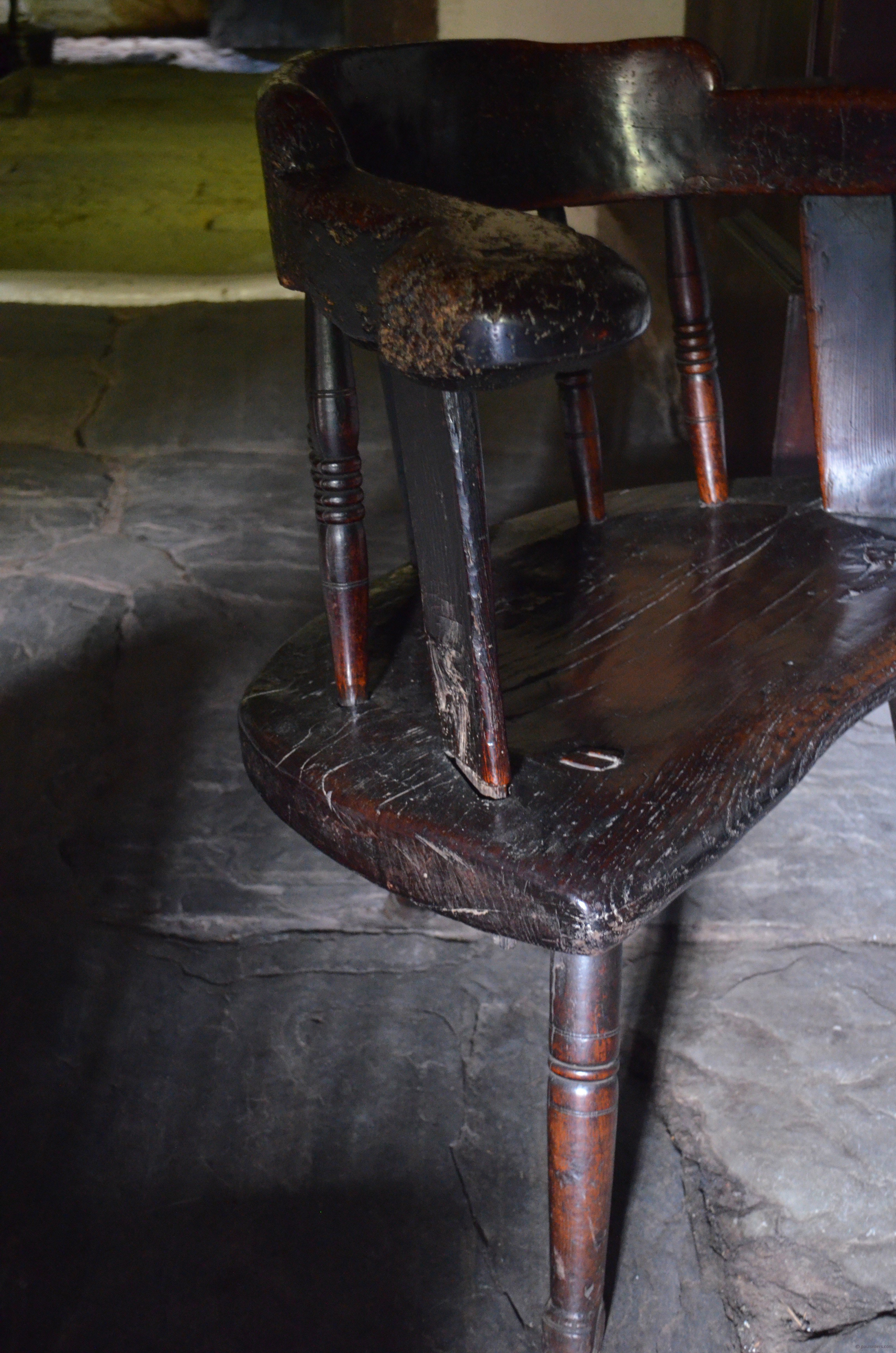
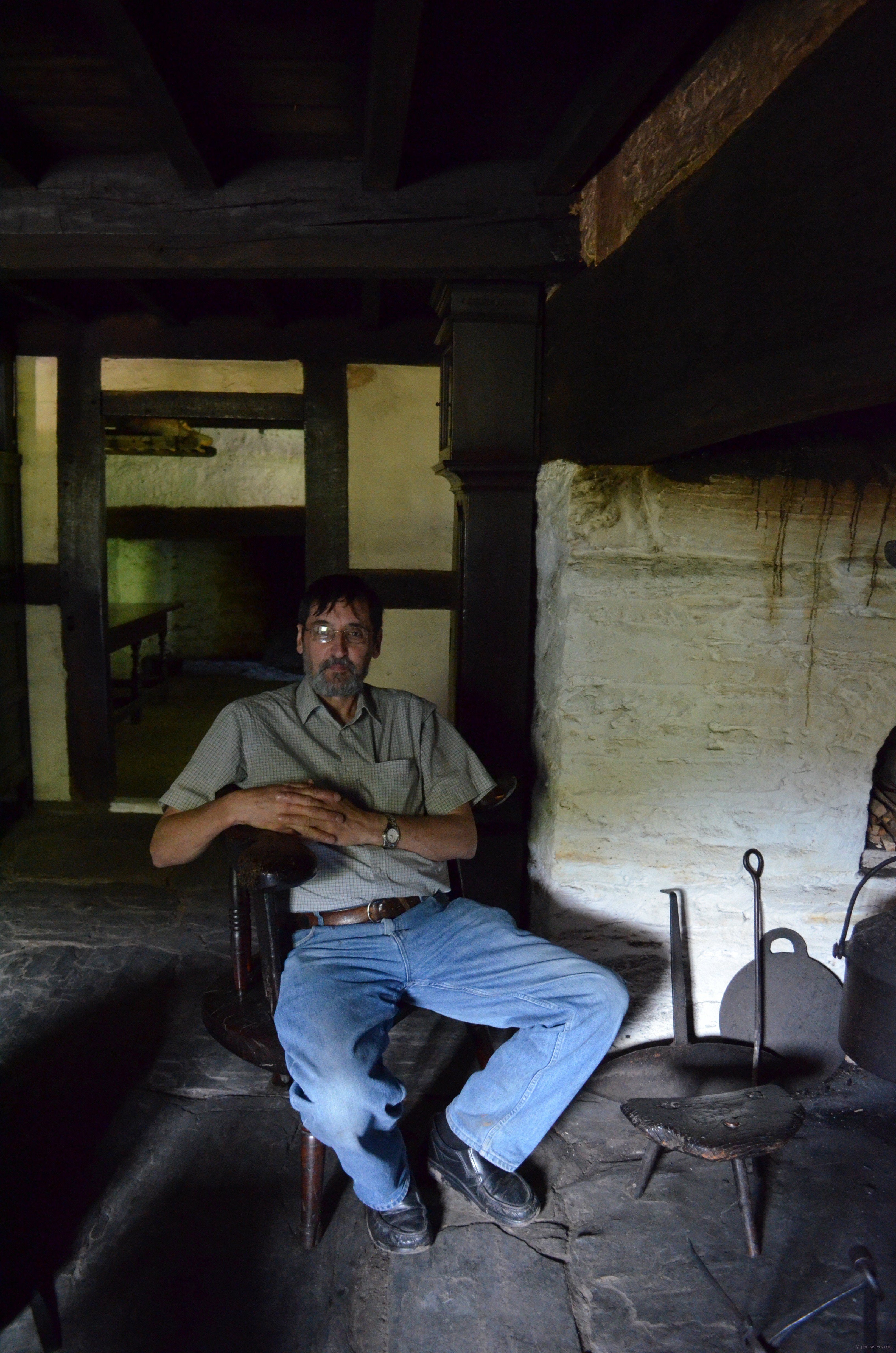
Crossgrain plane strokes are more common than most woodworkers know. Isn’t that funny? I use crossgrain strokes every day in my work. Sometimes I leave them there, often I see them elsewhere where people like myself left them. The stick chair is a common chair in many cultures, but we call this one a Welsh stick chair because likely a Welshman made it. it was a vernacular piece pertinent in many ways to life in the Welsh culture. I sit in the chair with the encouragement of the lady staff member who wanted me to see how comfortable it was. We sat and talked about texture surrounding us from the floor to the roof and wall to wall. Timberframed mortised and tenoned oak, adzed, axed, planed, scraped, pinned and pegged for 300 years. I sit and stare, unable to absorb everything from this rural country texture.
I like being a workman now. I was ashamed of it at one time, much to my shame today. Social studies at college always taught me to strive to become somebody and not just a workman. “You will never be anyone if you always work on the tools.” Be a clerk of works, a general foreman, become a teacher and teach woodwork in schools, anything but a workman. I am so glad I found contentment in my work. I am so glad that you can do the same. that you don;t have to do this for a living but that you can live to work wood. Find your texture. Fill your life full with it. Help others to find their texture.
Comments ()