
Clearing up ambiguities
Controlling our working world
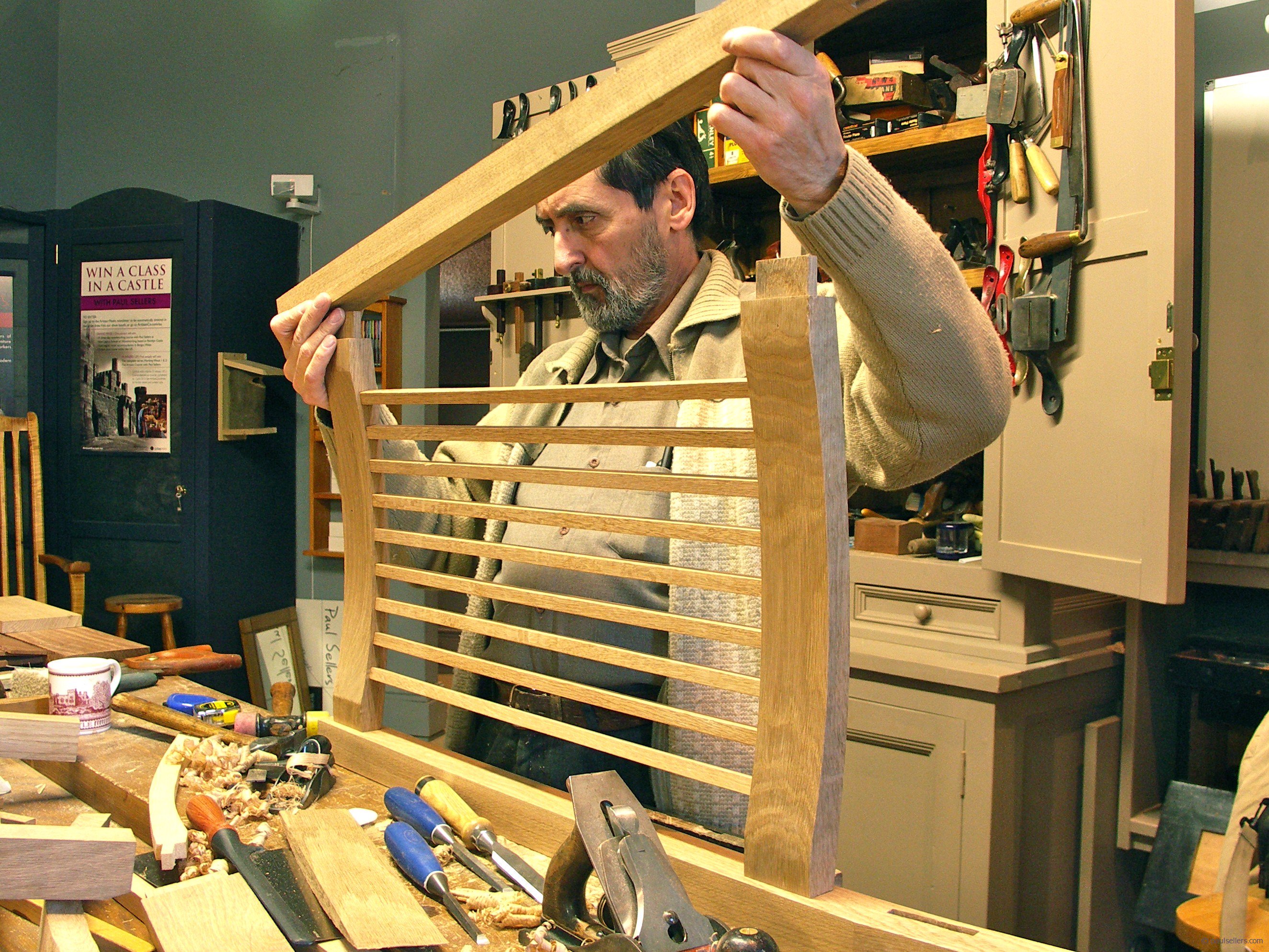
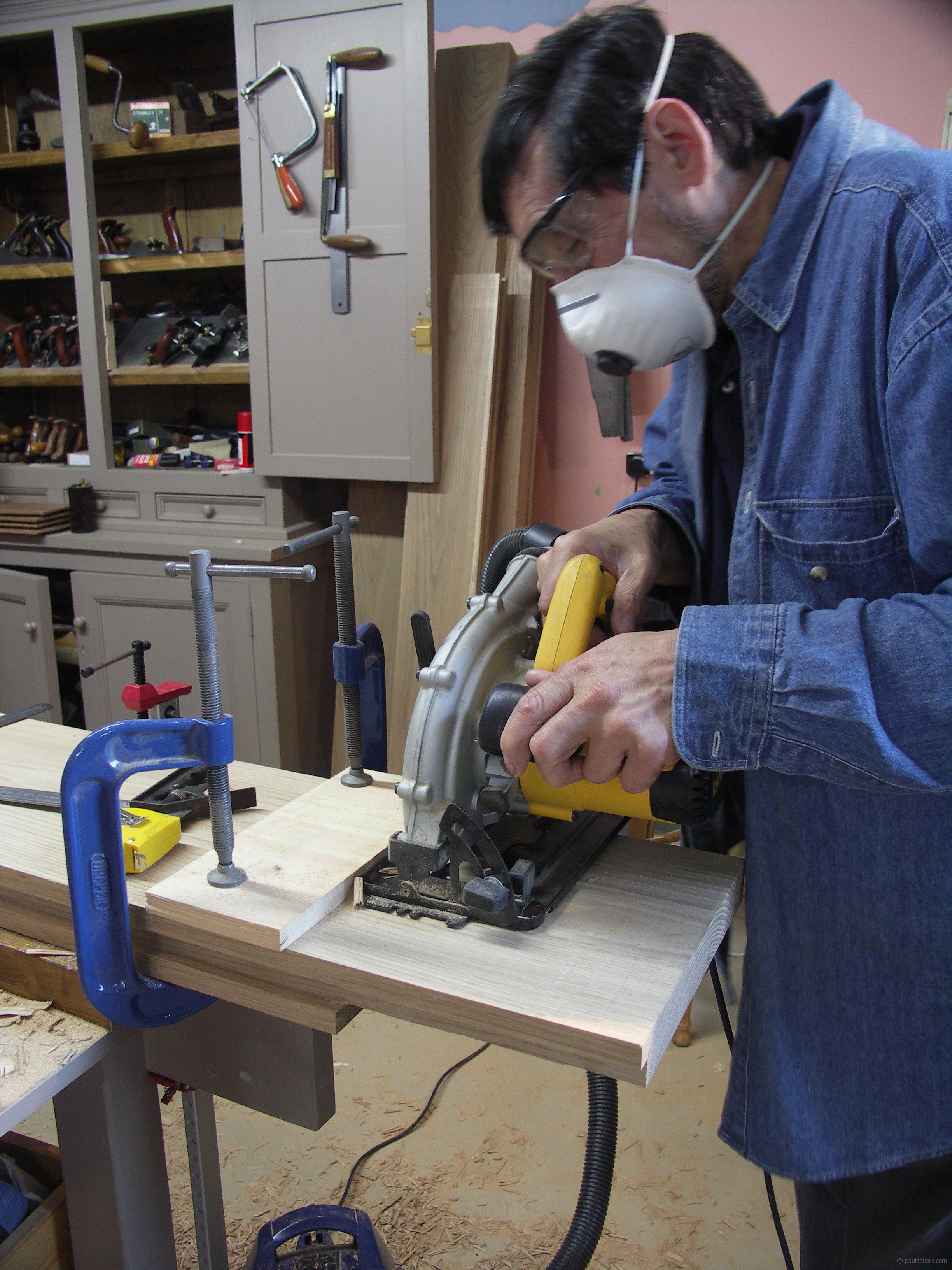
There are a few of responses to posts recently that may lead people to see me in the wrong context. One is that I live an “idyllic life” (and I know what they mean) when in fact I simply strive to make the most of the one I’ve been given. For instance, I’ve made conscious choices others would or did not make about living a life set against fashionable trends induced by media that depicts an artificial life as being of real value. For decades we allowed adverts on TVs to tell us and our children that smoking was cool and then spent decades fighting the cancer they produced in the lives of those who smoked directly and those passive smokers sitting in the same room day in day out. Industry's machines, all be they scaled down versions, and despite dust extraction, confine us in a cancer-producing lung we call the workshop.
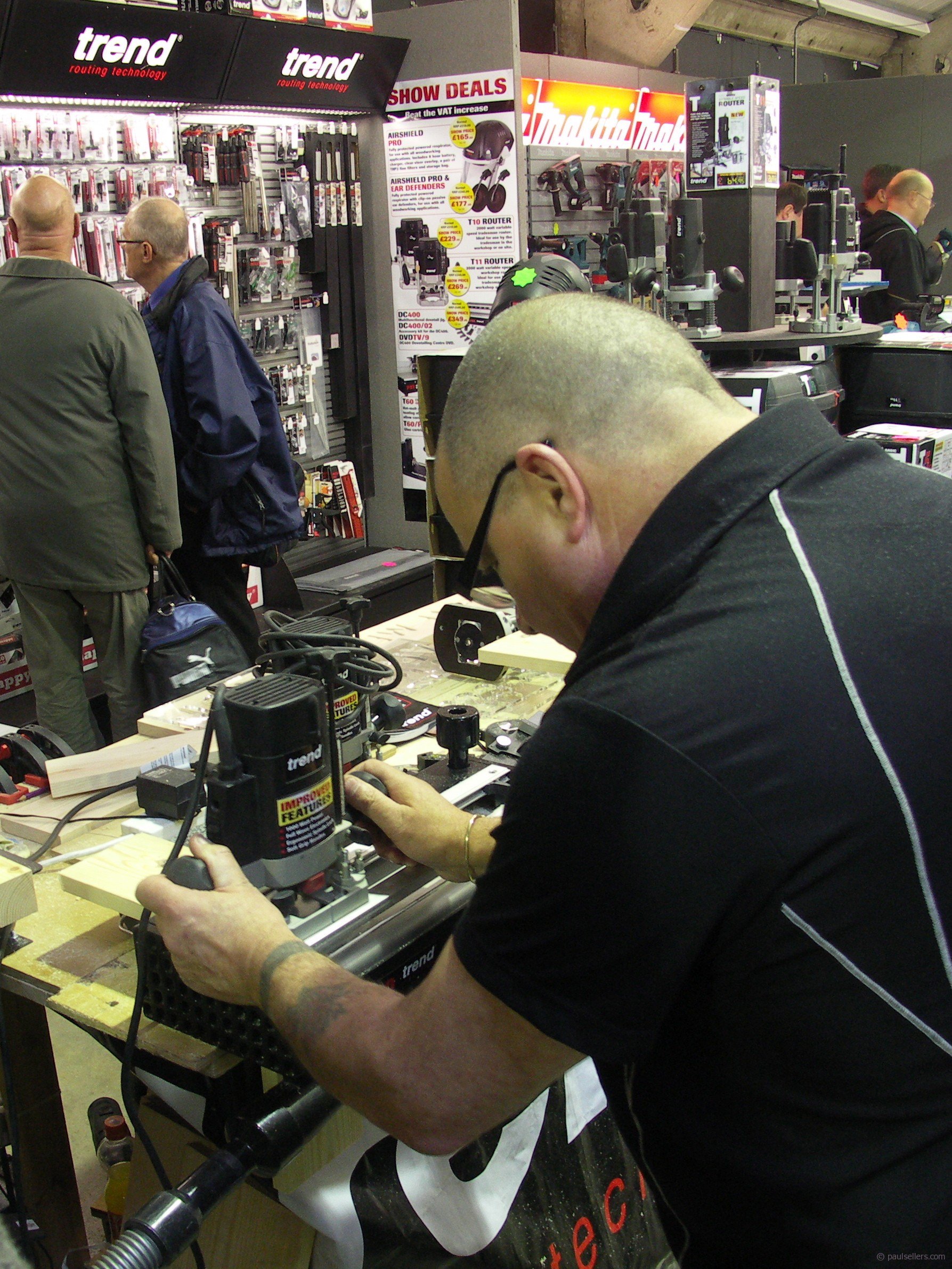
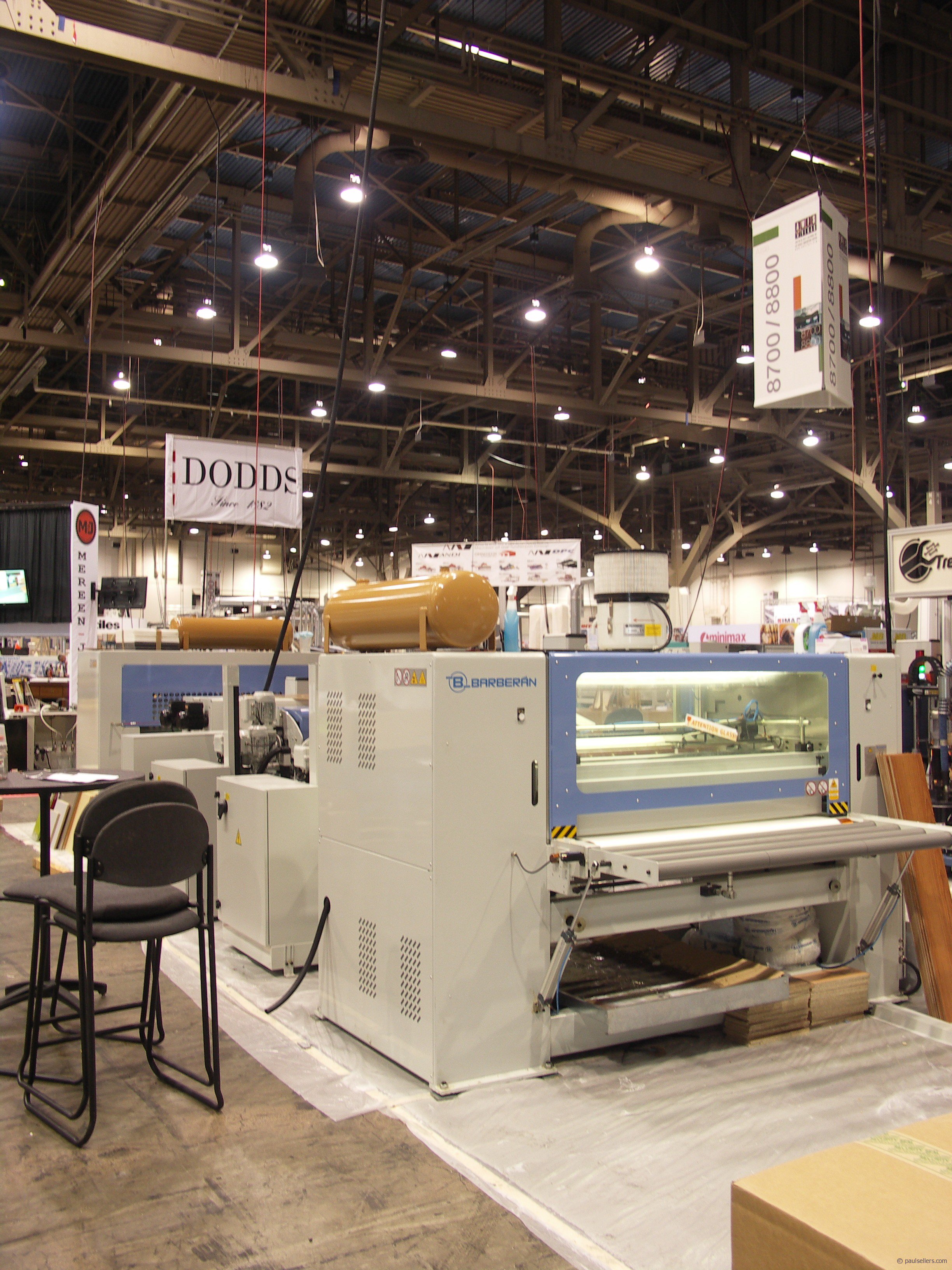
In this picture below a professional salesman (novice woodworker) projects his image of safe woodworking by not wearing any safety equipment during a real live demo. He does this day in day out at shows and his is a common practice among sales personnel.
For two hours after the machine is switched off, and probably much longer, depending on our activities, especially in winter when the workshop doors are closed, we breath the finings into our lungs and we who work full time in that environment get megadoses of it for a lifetime without realising it to late. Was it necessary? In most cases it was not. Now I do not care how much you tell me how good your dust extraction system is. Finings and dust escape constantly and charge the surrounding air in which you and others are working. That's the fact.
I have spent at least half of my woodworking life working diligently striving to help others to simply reverse some of the effects of industry and education that compels them to live 24/7 in realms of industrial processes as well as realms of austerity they can indeed counter for much larger portions of their day.
I find ways for others to adopt hand work using inexpensive, safe, effective methods that really enhance wellbeing in producing high-quality work and I work at these things for long days because I think that it’s important. I don't do it to be famous, or set standards impossible for others to achieve. I do it because IT MATTERS!
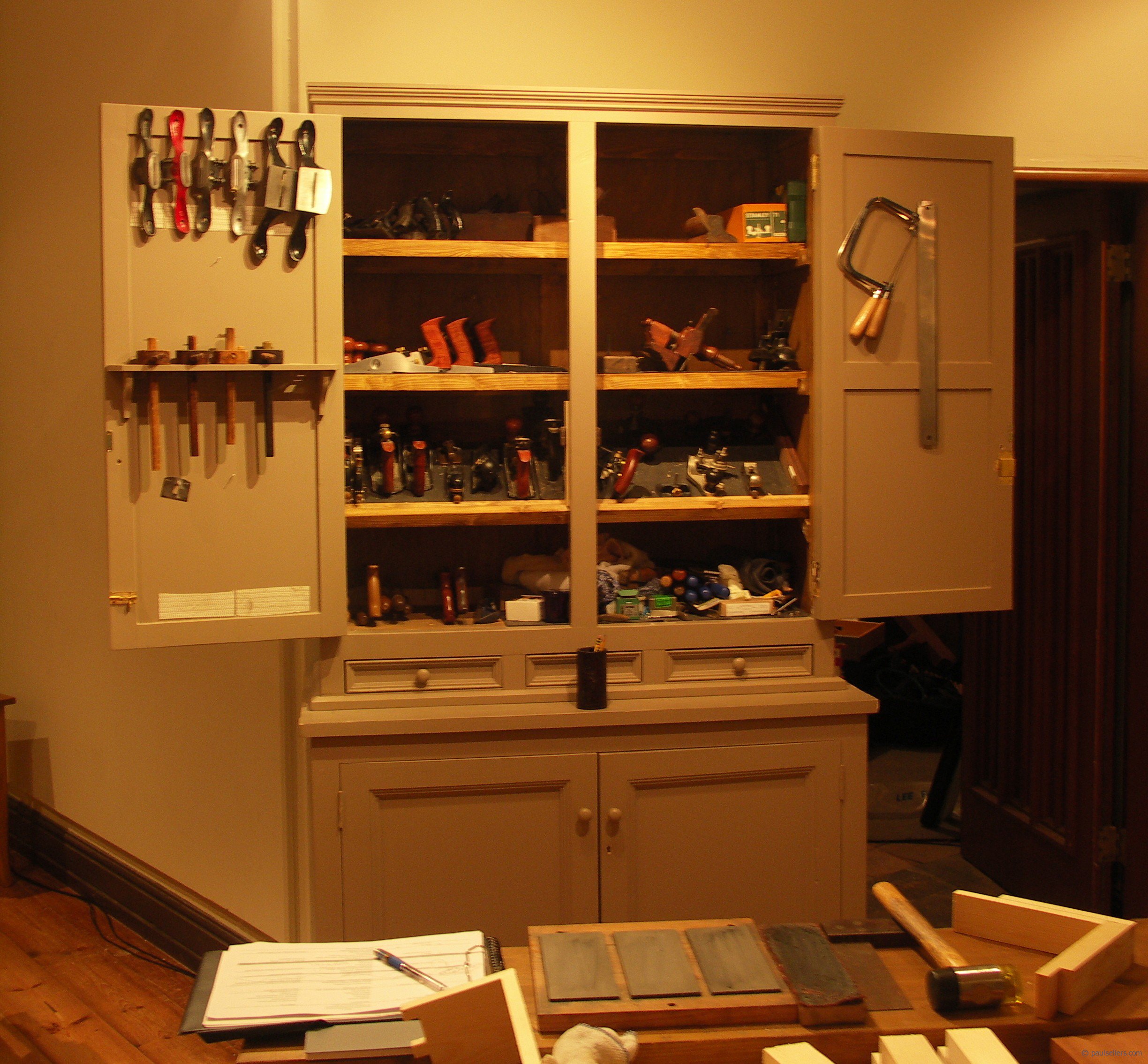
I strive to be independent of any commercial enterprise that would use me as a wallpaper to make them look good so that I can operate independently to help others find what they really need rather than be controlled by others telling them what they need so they can buy their goods. So far it’s working. I owe no man anything except one thing—to care about my fellow man (in my case woodworkers) and invest in the lives of others as best I can. At least in our home workshops we can take control these things and indeed develop a more enjoyable working environment to be creative in.
Using machines to work wood
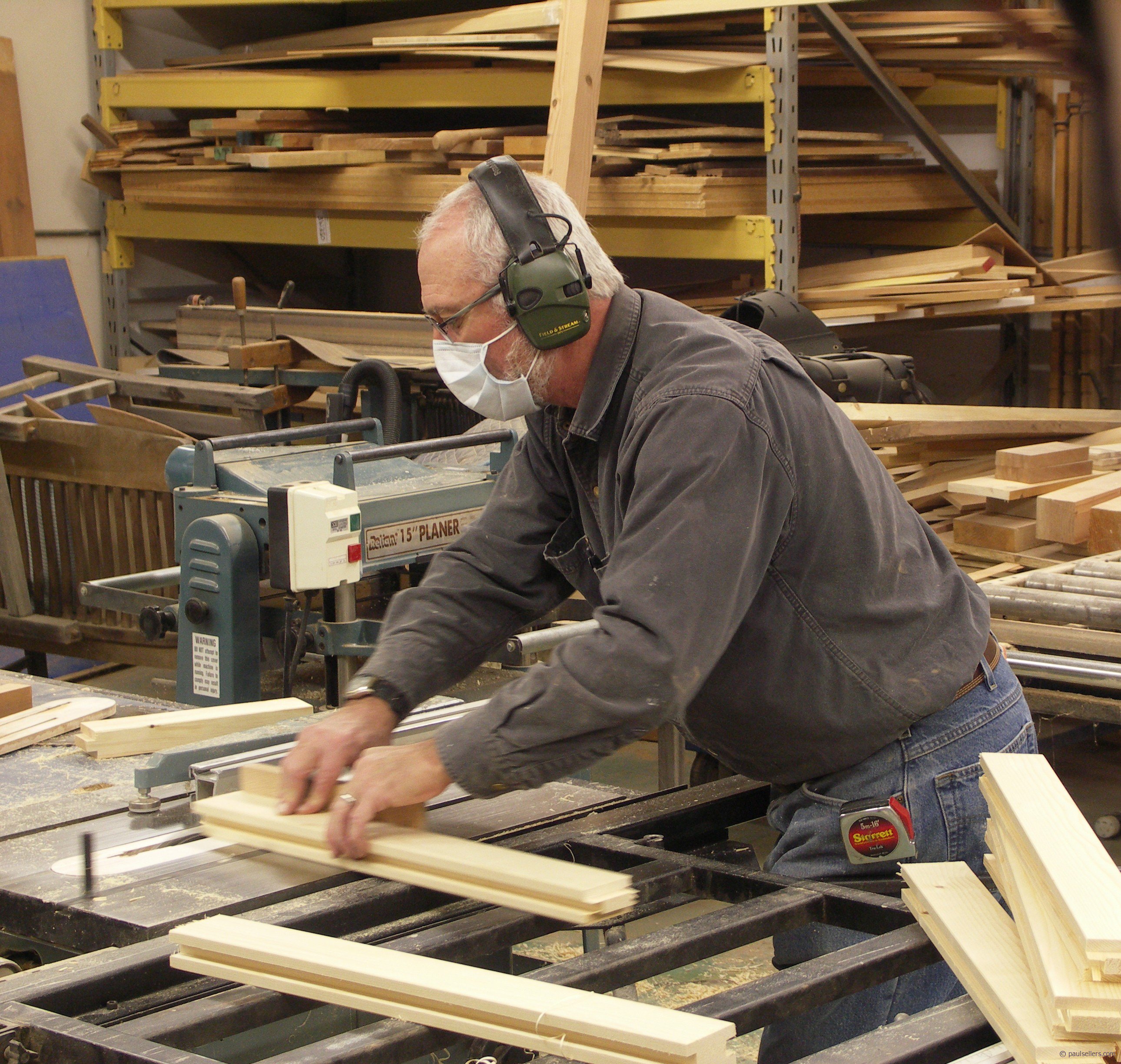
This is another area that people may misunderstand in that they think I am anti machine and in fact don't use them. Of course I do use machines. I own a full complement of quality older machines including a mortise machine, jointer, planer, bandsaw, chopsaw, tablesaw, drill press and lathes. This is not heresy but a practical. I am on record as saying "there is nothing wrong with machines or machine methods of working wood" as long as you realise that machine woodworking takes almost zero skill and machines substitute very poorly for truly skilled work. My resolve is purely practical. Am I going to dig a six-foot deep pit and slab an oak tree into boards? Of course not. Time and skill prevents me. Am I going to cut the stock for sixteen students to make sixteen boxes next month using splitting and riving methods? Again, the answer is of course no. I will use machines. You see it’s all about finding the balance. I can make a choice machine woodworkers cannot. Though I own a mortise machine in my machine shop, I haven’t used it in about year. That’s the case for me and I like it that way. So, to sum up, I use machines for dimensioning my stock and then cut all of my joints by hand in general. These joints include the three most important joints; the housing dado, the dovetail (any type), and the mortise and tenon. I use moulding planes for much of my molded stock because it's often faster and cleaner than using a router, and by clean I mean nearer to perfection than routed stock. It also leaves my working area cleaner and dust free too. When others wear dust masks, eye protection and ear defenders all day, and concern themselves constantly with health safety issues, I simply make wood work.
Grinders versus sharpening plates
Some one asked this question and I am glad they did. If I don’t use grinders to grind cutting edges what happens if I have a “large nick” in one of them? Well, here again, I have no problem with using a grinder when necessary, I just don’t find them necessary for the bulk of my work. Even when I sharpen ten or more sets of class chisels I still use the diamond plates and strop, but there would be nothing wrong with using a grinder if it would give me the same results I get with hand methods which they actually don’t. If I hit something in would that fractures the edge badly or drop a chisel on concrete then I use a grinder. If a bevel has been sadly distorted by a student after a week of trying then will grind it back to shape and refine it to a convex bevel on the diamond plates. You see it’s all about choices and I, because I have developed skills, choose how I work so that I work efficiently with the minimum amount of invasion by machines, all be they miniaturised industrial versions to fit in my garage and misnamed calculatedly “power tools.”
In closing
Most of you have been offered only machine methods of working wood. If you go into mainline stores the staff will usually, not always, steer you to a machine method first. Almost all sales staff at these stores have head knowledge of hand tools but no working knowledge from an artisan background. They have machining knowledge because machines need no skill as such, they were invented and developed to minimise the need of skill so goods could be mass made by unskilled labour. You on the other hand have time you want to spend working wood in real ways that will ultimately give you the substantive skills of craftsmen past. I know that and you know that. If machine manufacturers put electric before the name machine and tried to sell 'electric machines', they would be ordinary. Using new terms, ie, a term adopted 25 years ago, like "power tools," launches us into the new dimension of power woodworking. Those "power tool" woodworkers on TV channels are equally responsible for damage caused to people wanting to find and do real woodworking as TV advertisers did with their pro-smoking campaigns. It may not be as pervasive, but pro-rata, with so few people now using hand methods to work wood, it may well be.
Comments ()