
My minimalist tools - another hammer
Warrington hammer
Hammers are important tools in the furniture makers arsenal but we don't really need large ones and less so claw hammers.

I have owned this hammer since a boy. I bought a 16oz Stanley claw hammer at the same time. That was in the days when there was only one maker and all claw hammers had wooden shafts, two steel wedges and all claw hammers looked the same. No waffle heads, ergonomic plastic grips and ripping-claws. At least that was so here in the UK.

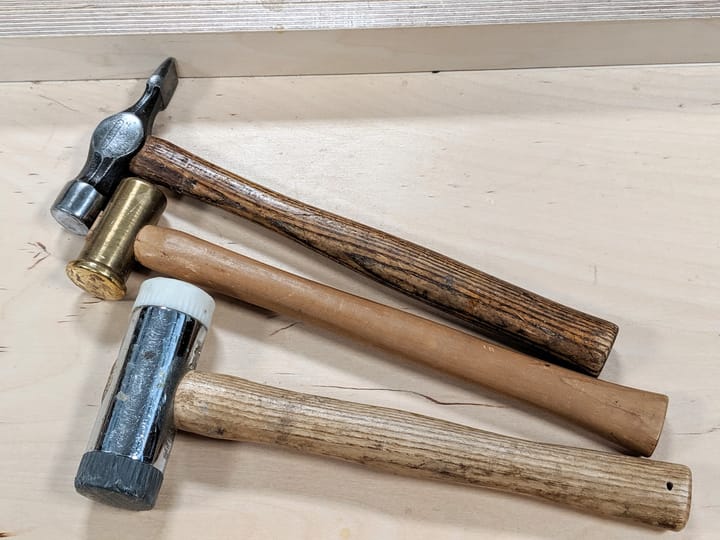
This cross peen hammer is known in England as a Warrington hammer. The are sold according to weight starting with 6oz and increasing in 2oz increments to around 14oz. I find the best sizes are 10oz and 12oz and I have to say that the UK Stanley has always been the best in my book.
Stanley made the best ones
My Stanley has a nicely shaped ash handle and the first thing that I do with wooden shafts is scrape off the varnish and recoat with three or four coats of boiled linseed oil over three or four days. I apply a fresh coat every few years after that and then it will look like this after 48 years of use.
I think the main reason I like this hammer type is the balance. It sits well in the hand and swings well with the arm. The 10 oz is a perfect weight for driving pins (finish nails US) and also for setting saws with a nail set. I use it for tapping joints together and taking them apart.
Driving smalll nails and panel pins
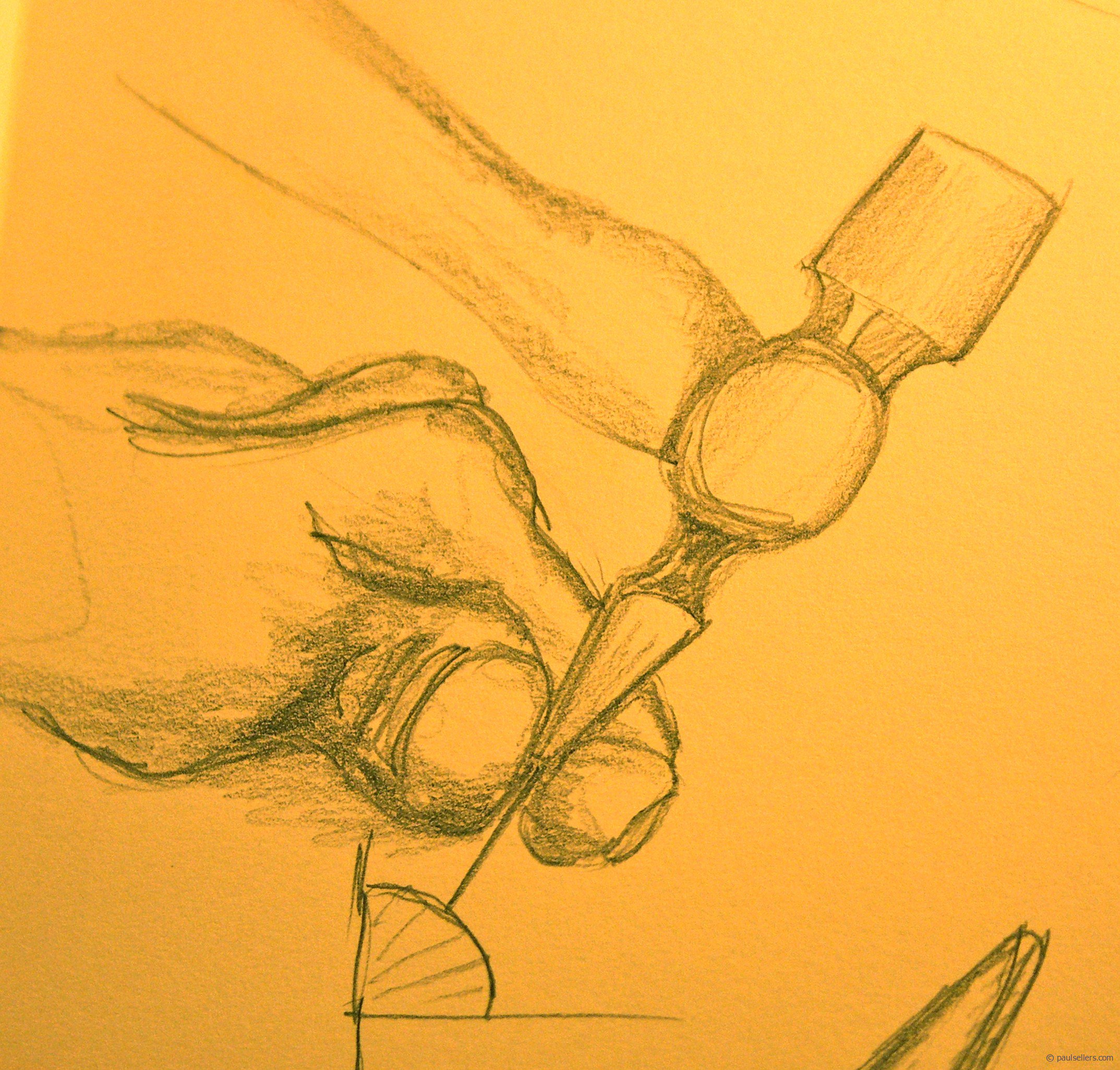
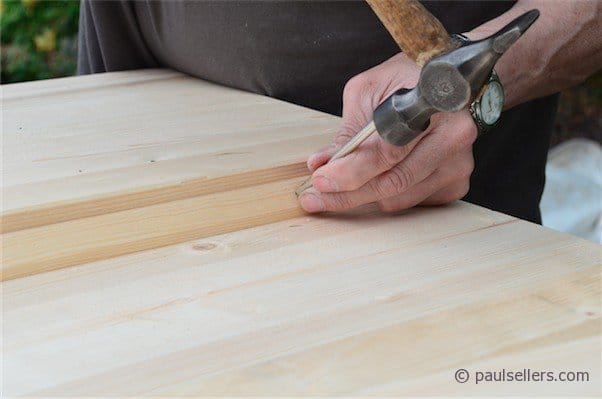
To set small nails reverse the hammer, hold the nail between finger and thumb and strike the nail head between the fingers with the cross peen aspect of the head.
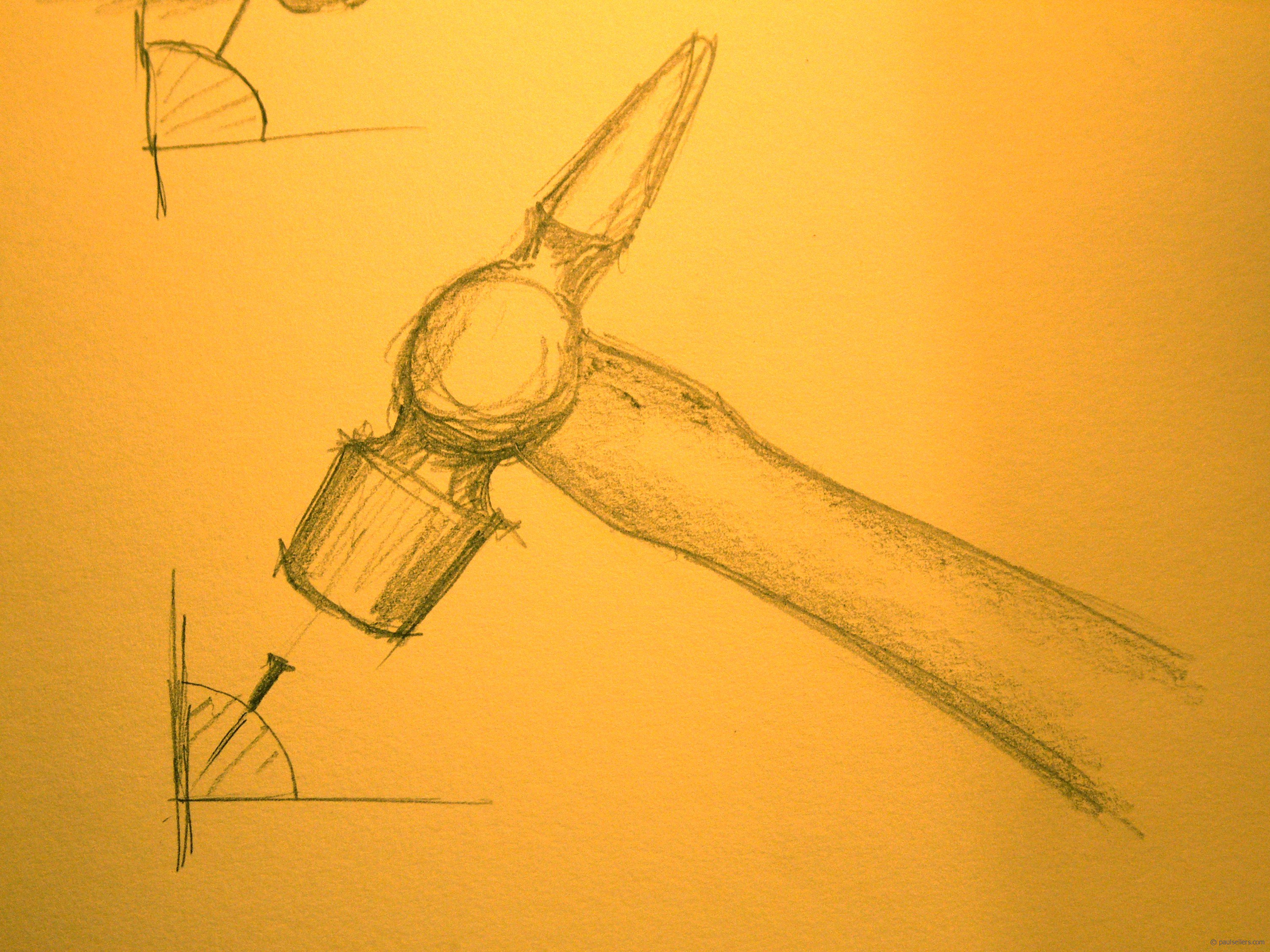
Once it’s started, turn the hammer around and strike in the normal manner.
I have a 12oz made by Brades that I also like. It was used by a blacksmith an has that blacksmith’s look. It’s 2 oz extra weight is handy for driving larger nails and of course larger joints if necessary,
Comments ()