
Paul Sellers' upgraded palm gauge
I've used the screw in the palm-cum-beading gauge by simply using a block of wood and the screw.
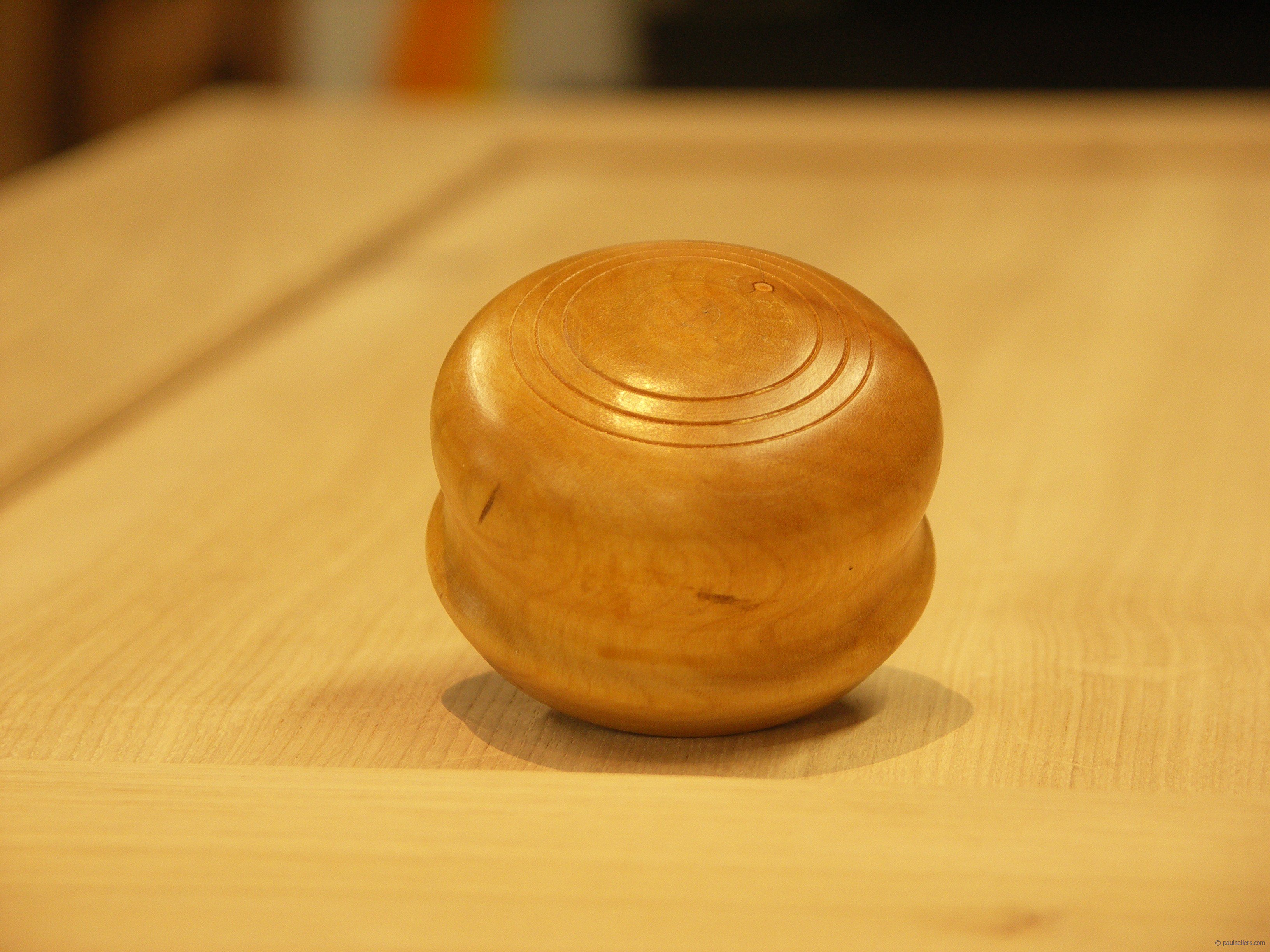
This week I refined it and made a quality tool that will remain. I used a piece of the Indian laurel I cut from the inside of one my log birdhouses a couple of months ago. Indian laurel is a very unique wood that doesn't suffer the same degrade as other hard, dense-grain woods such as beech or oak. This piece was ready to turn after a month and has lost much of its moisture. As I said, quite unique.
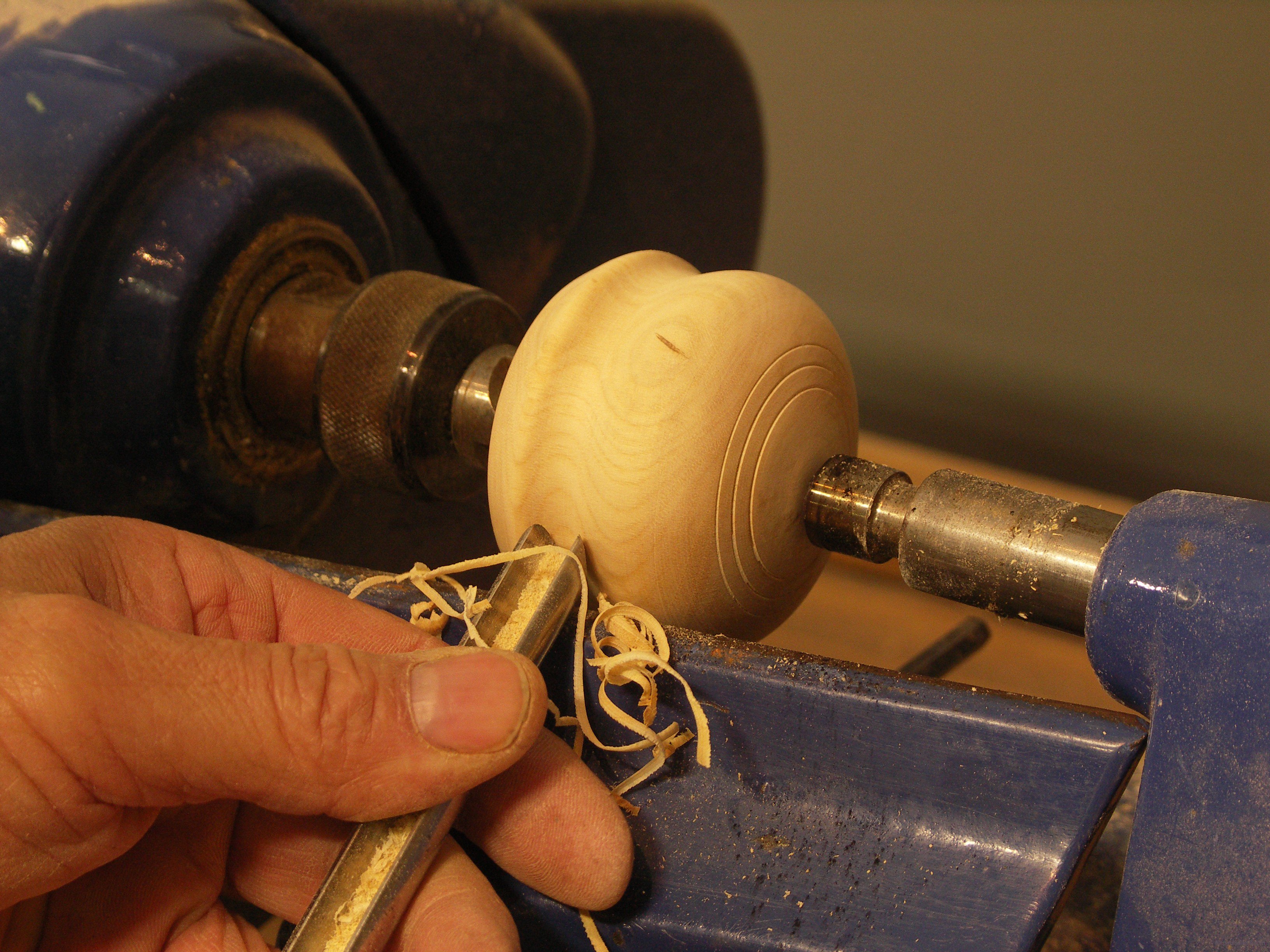
I turned the stock on the lathe and gave it a shape that fits my hand perfectly. The turning takes only a couple of minutes. I lost my screw chuck for the moment so I turned it between centres which worked fine. I simply had to pare away the centre spots from the top and bottom.
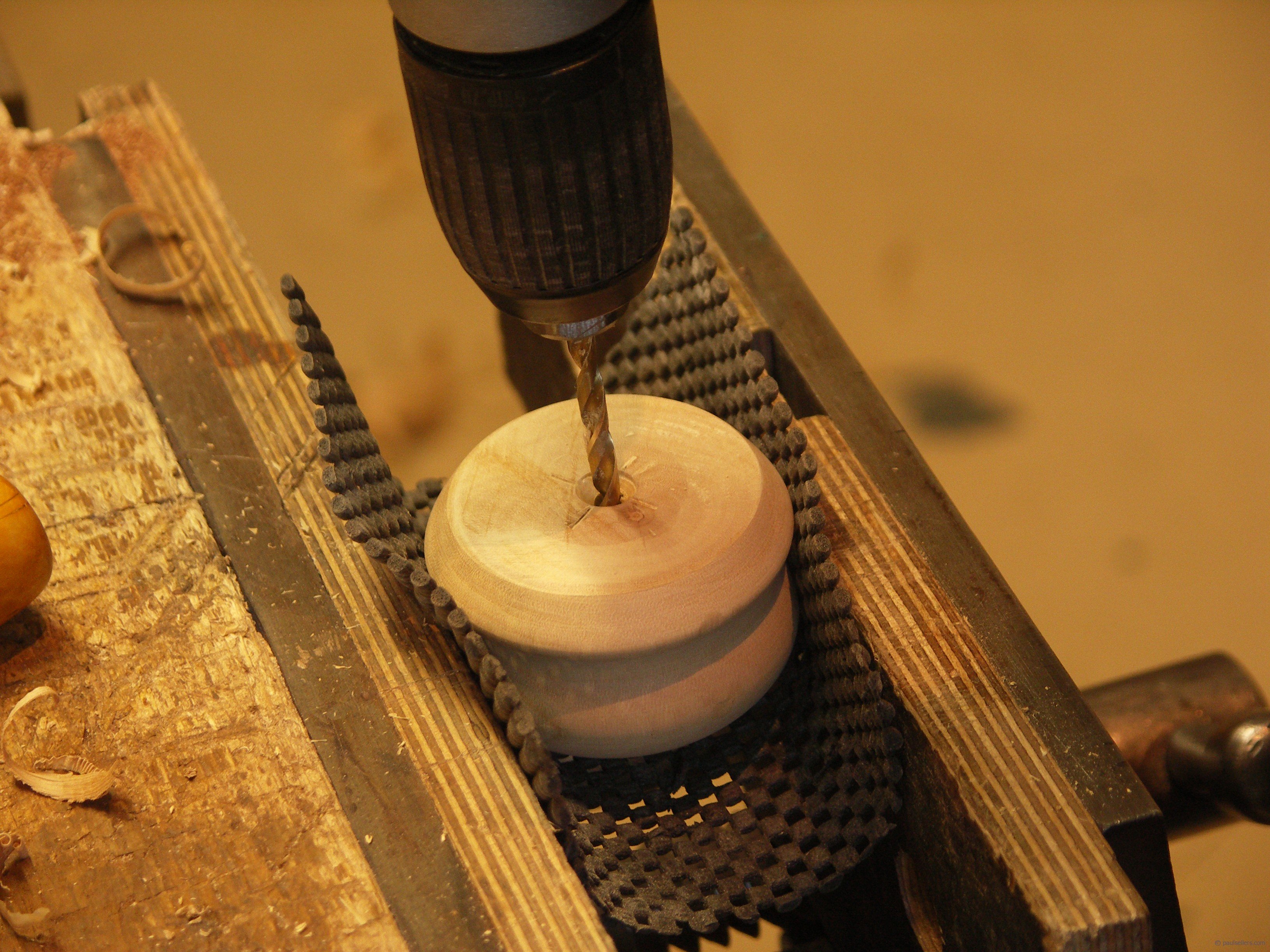
I sanded the whole thing and then predrilled a pilot hole that allowed for the main body of the screw so that the threads would bite well into the wall of the hole.
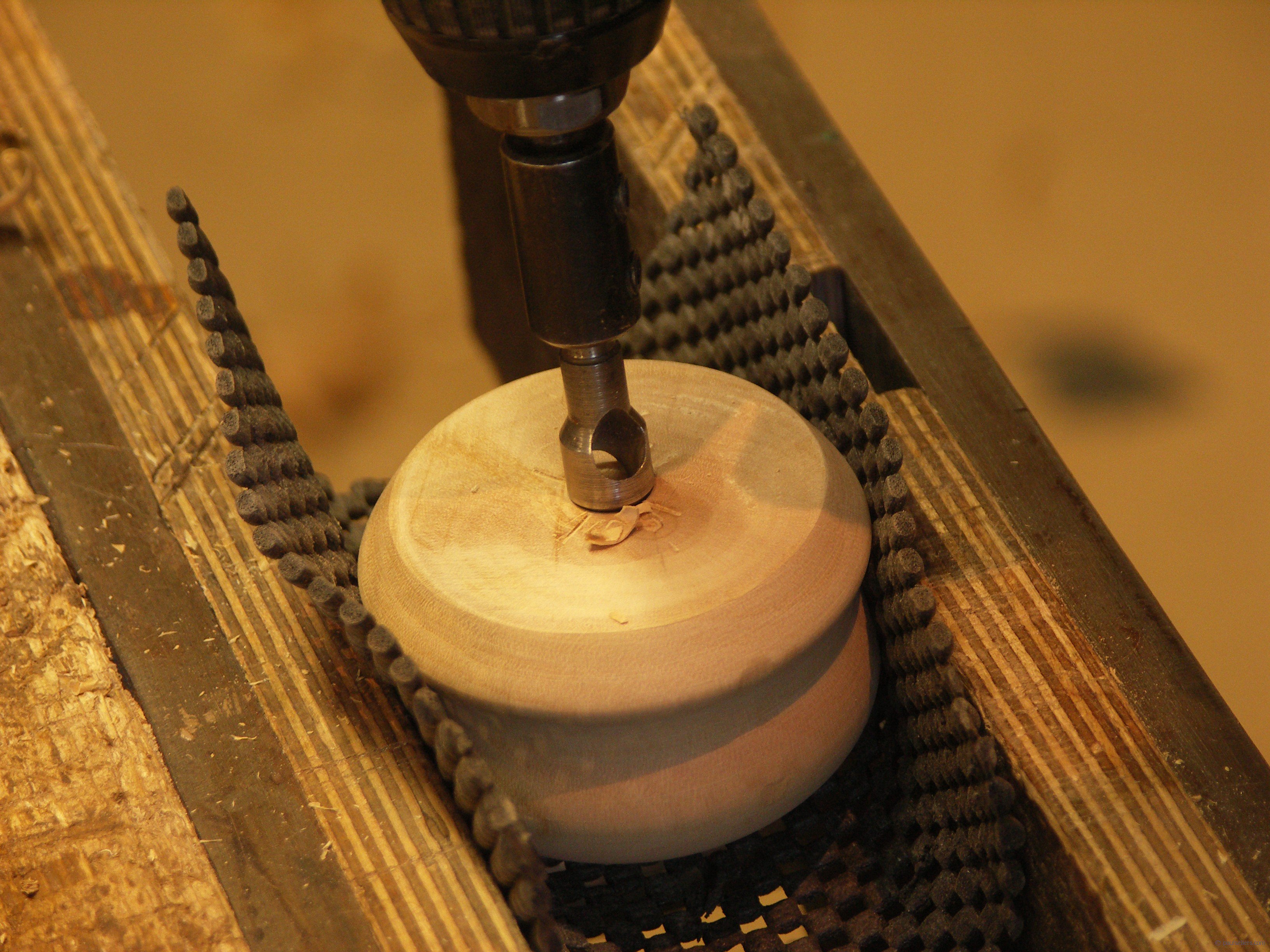
After that, I countersunk the hole so that the screw could be cinched down all the way for scribing ultra-fine lines when needed.

Filing the rim of screw gives a super crisp edge that refines the line beautifully.
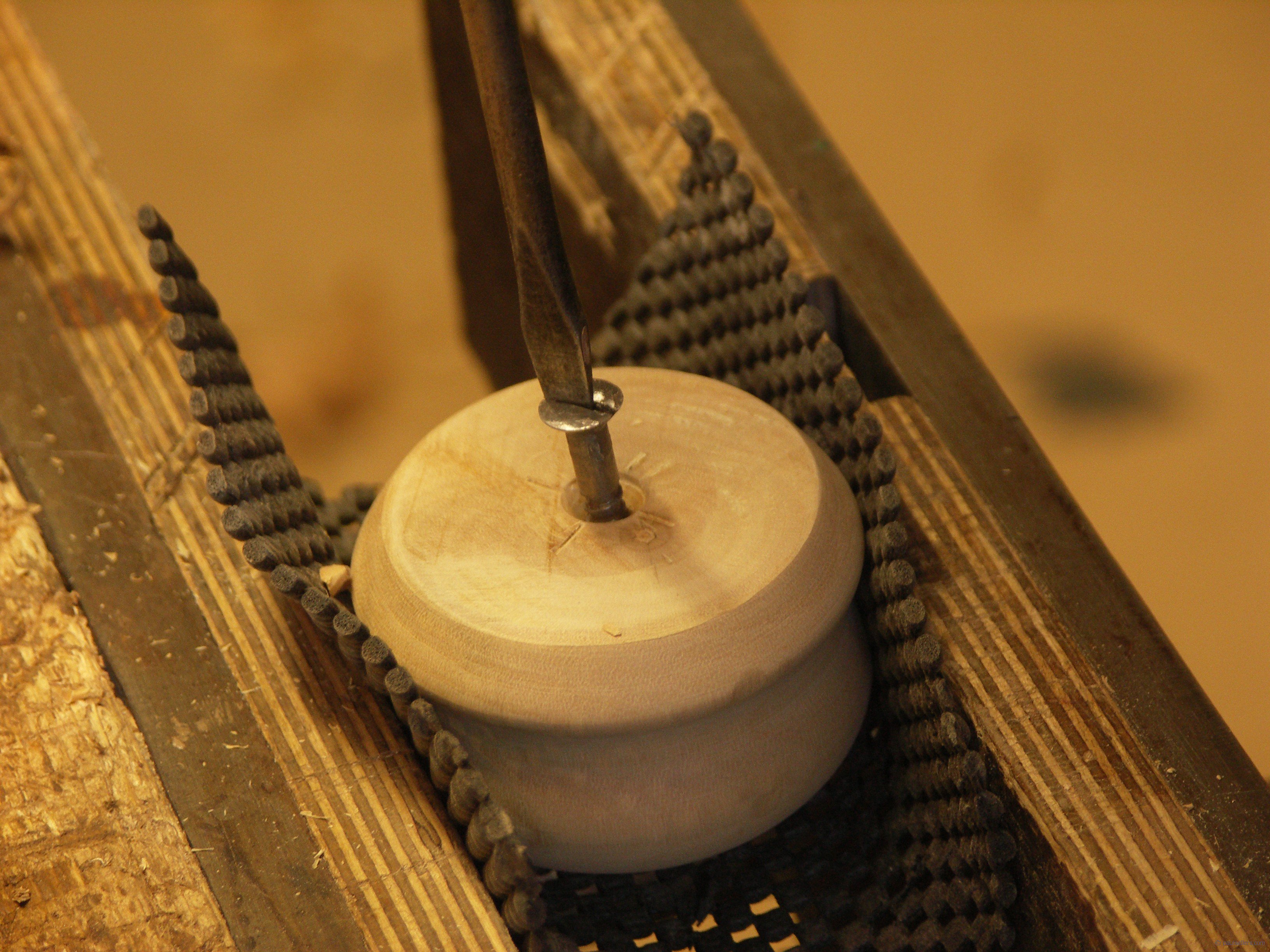
I used a flat head countersunk screw because the rim of the screw is easy to file to crisp sharp edge and the steel hold an quite adequately. Notice I use shelf liner to hold the palm gauge and prevent slippage. It also cushions the work too.
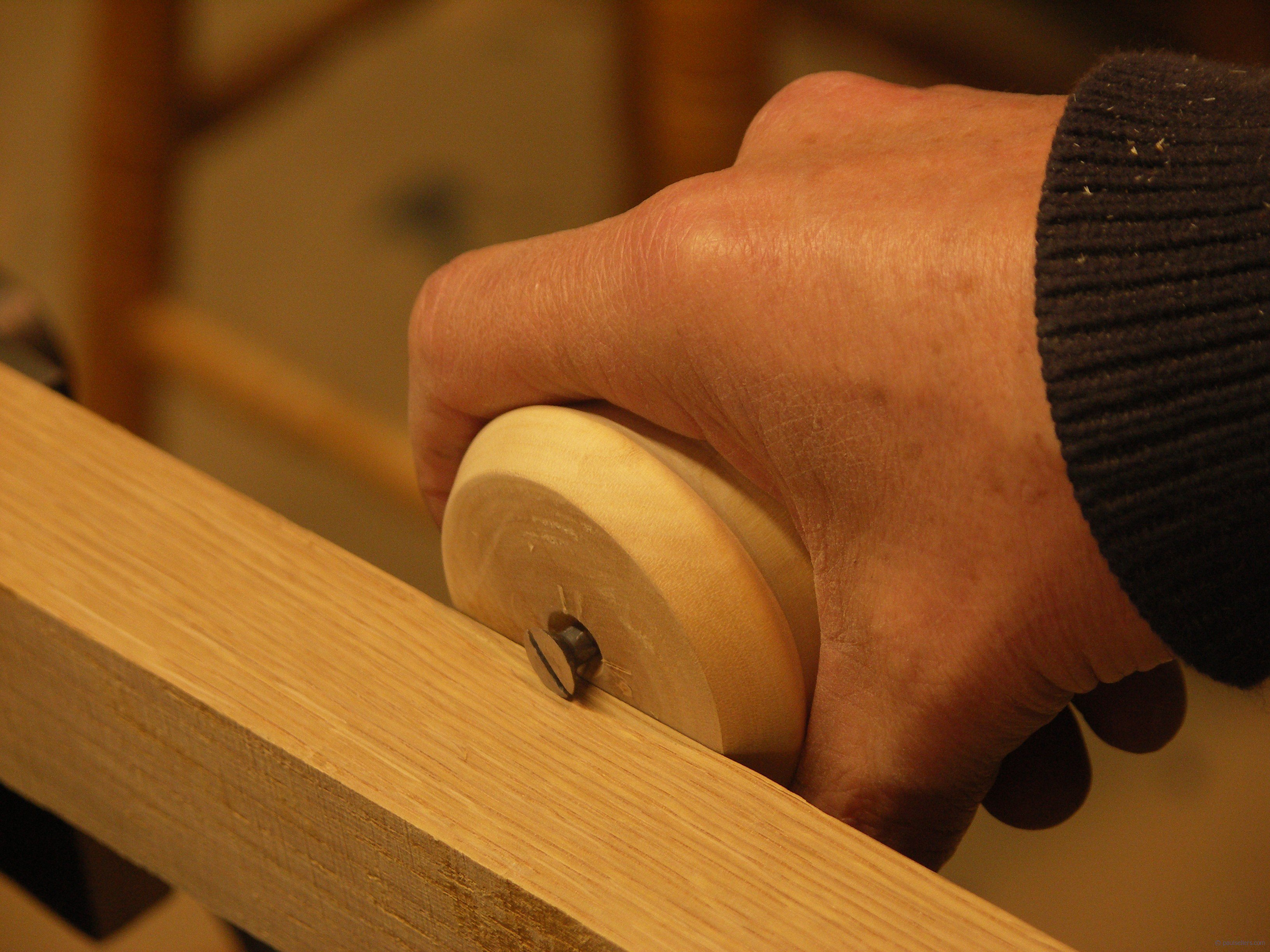
Three coats of clear or coloured shellac (or finish of preference) followed by a coat furniture wax polish and my palm gauge was complete. It's a stunning tool to use for hinge work and such and gives much greater control than almost any gauge I have ever used.
Comments ()