
Making the Paul Sellers dovetail template
I want to pass on this template to you. I don't think you'll find a better one this side of the Mississippi, but tell me if you do and I'll try it out.
It isn't new tools that you feel affection for, but those that have served you consistently and faithfully in your work. Ones that don't fight back but get on with the job, resolve issues without balking and give pristine results every time.
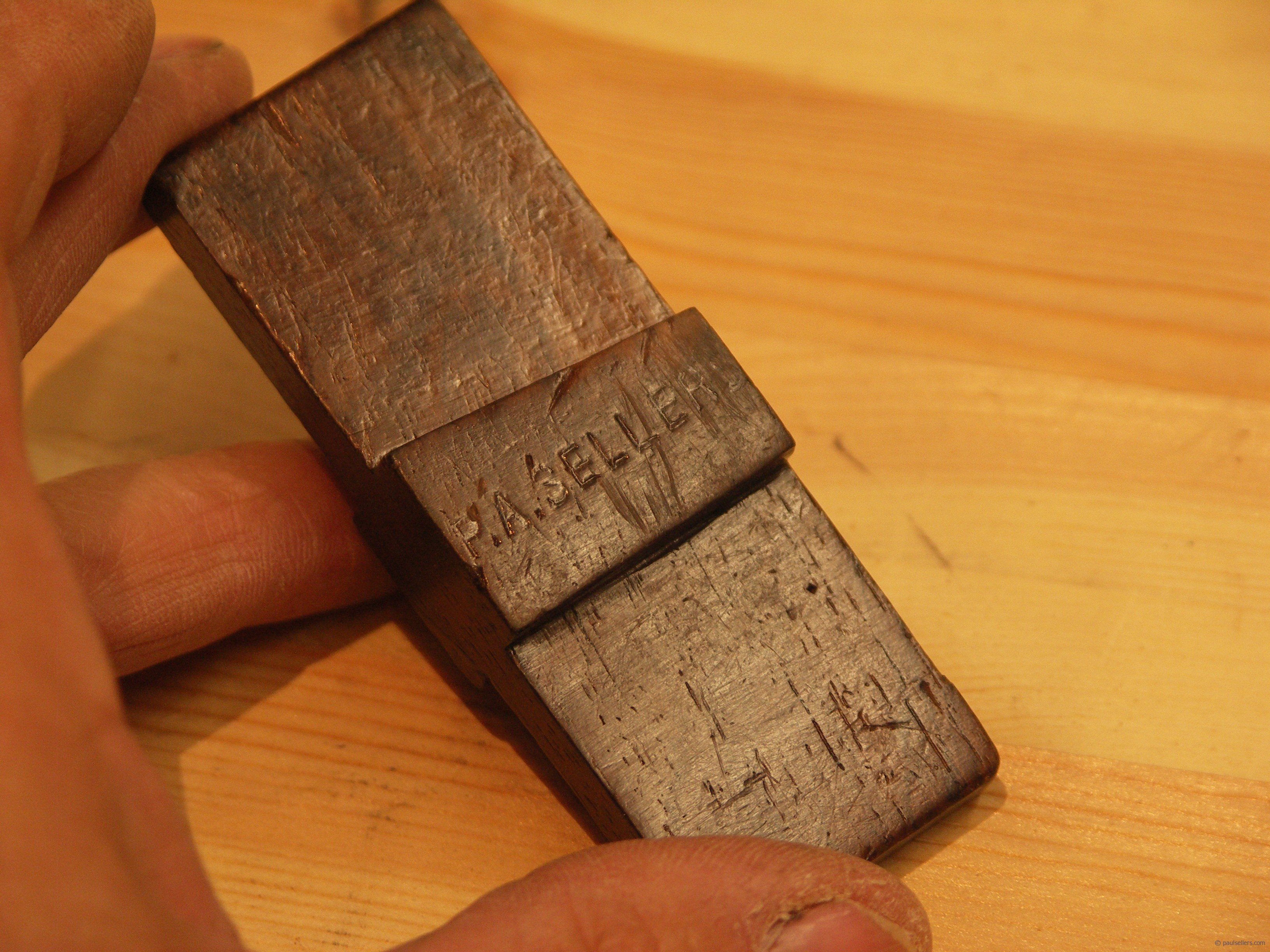
I have used the template for 46 years now and though I have tried others that work, this one is by far my favourite and I thing it’s the best.
These are the tools you will need to complete the template
Your blank can be 3 ½ - 4” long x 1 1/4" x 3/4- 7/8" thick and in any wood. Hardwood probably last a long time, but I have a pine one that has been kicking around for three decades at least.

With all of the faces square to each other and the sides parallel, mark two marks 1 ½” from each end of the blank.
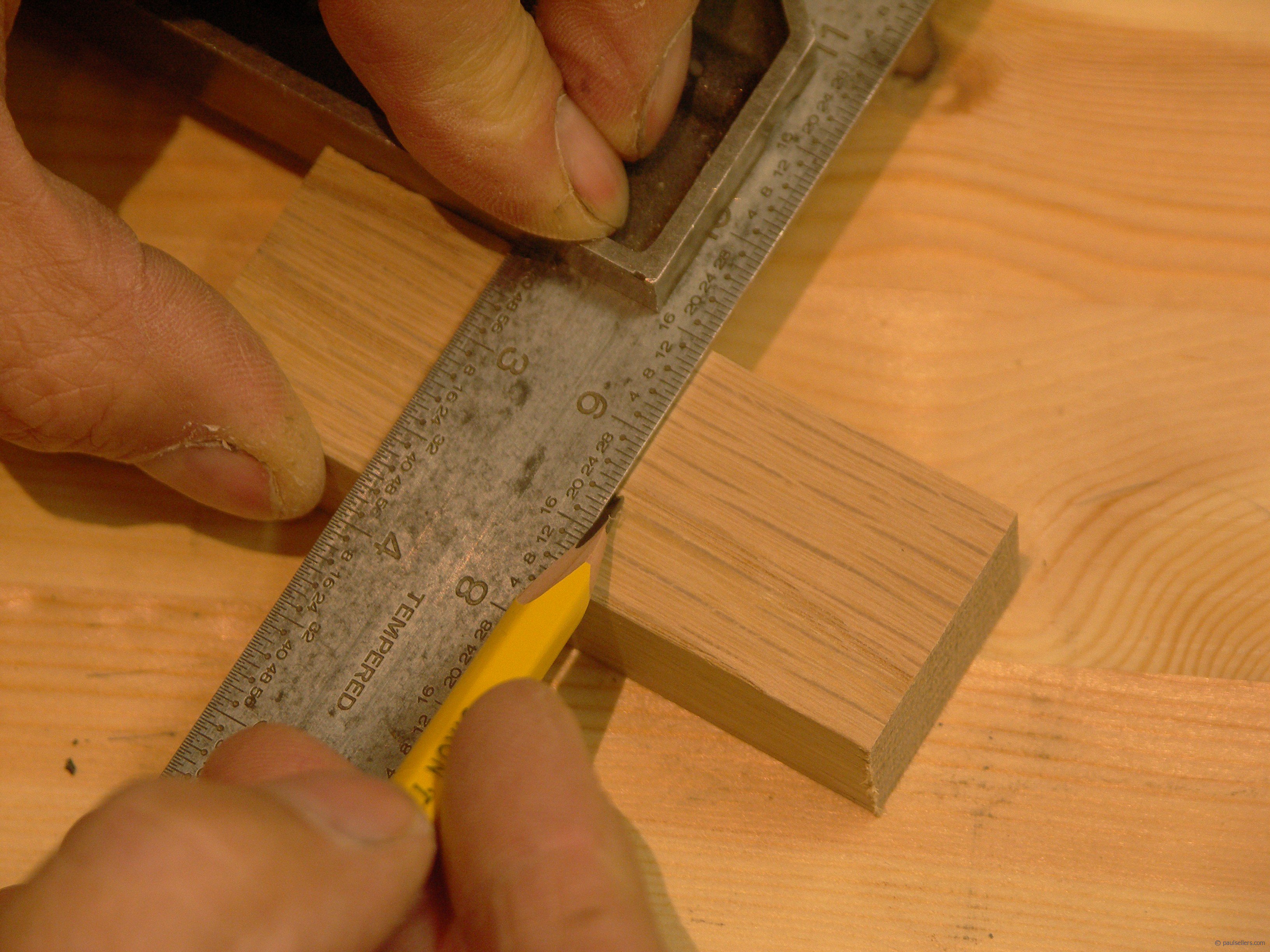
Square one of the lines all the way around the blank.
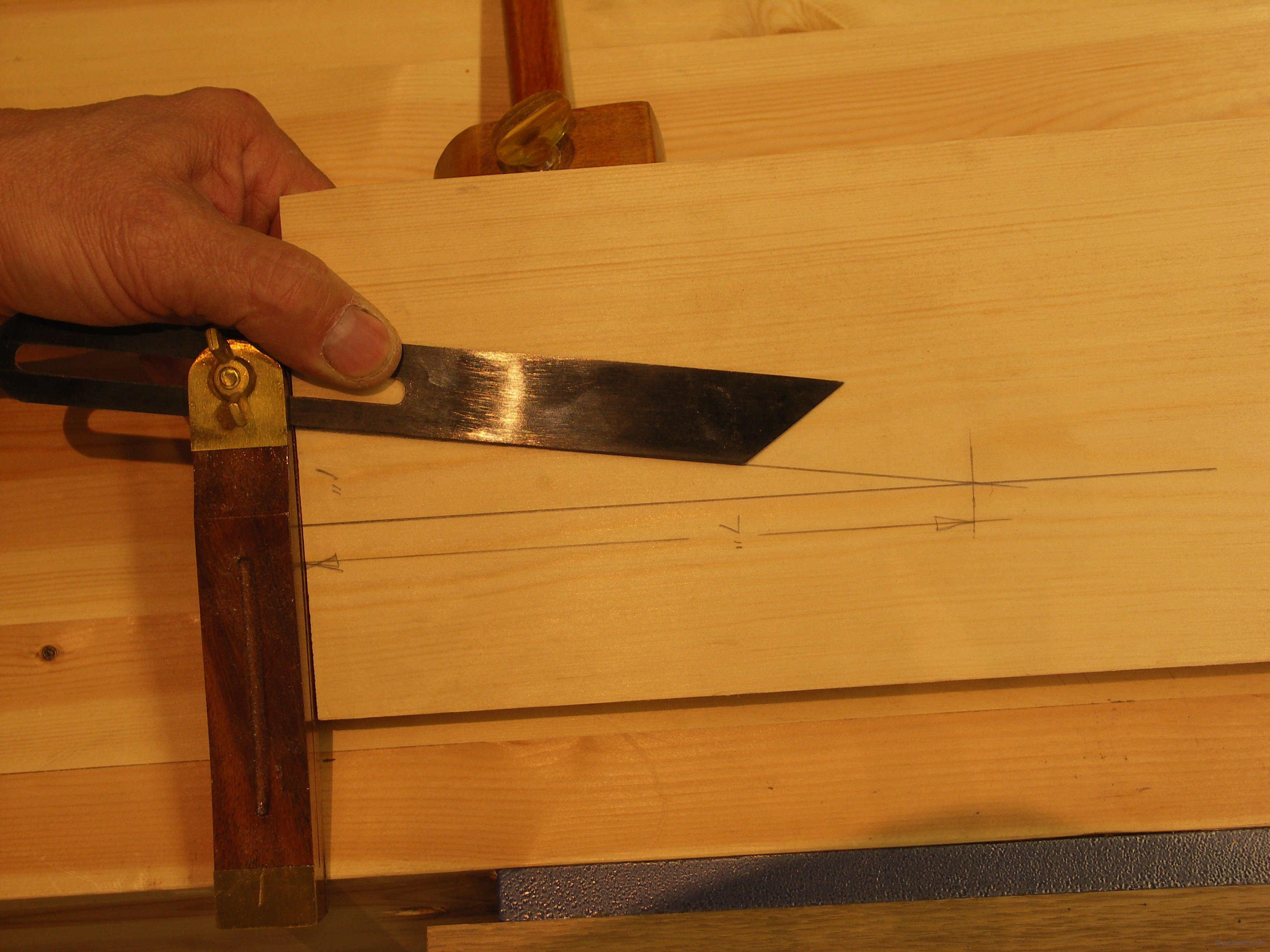
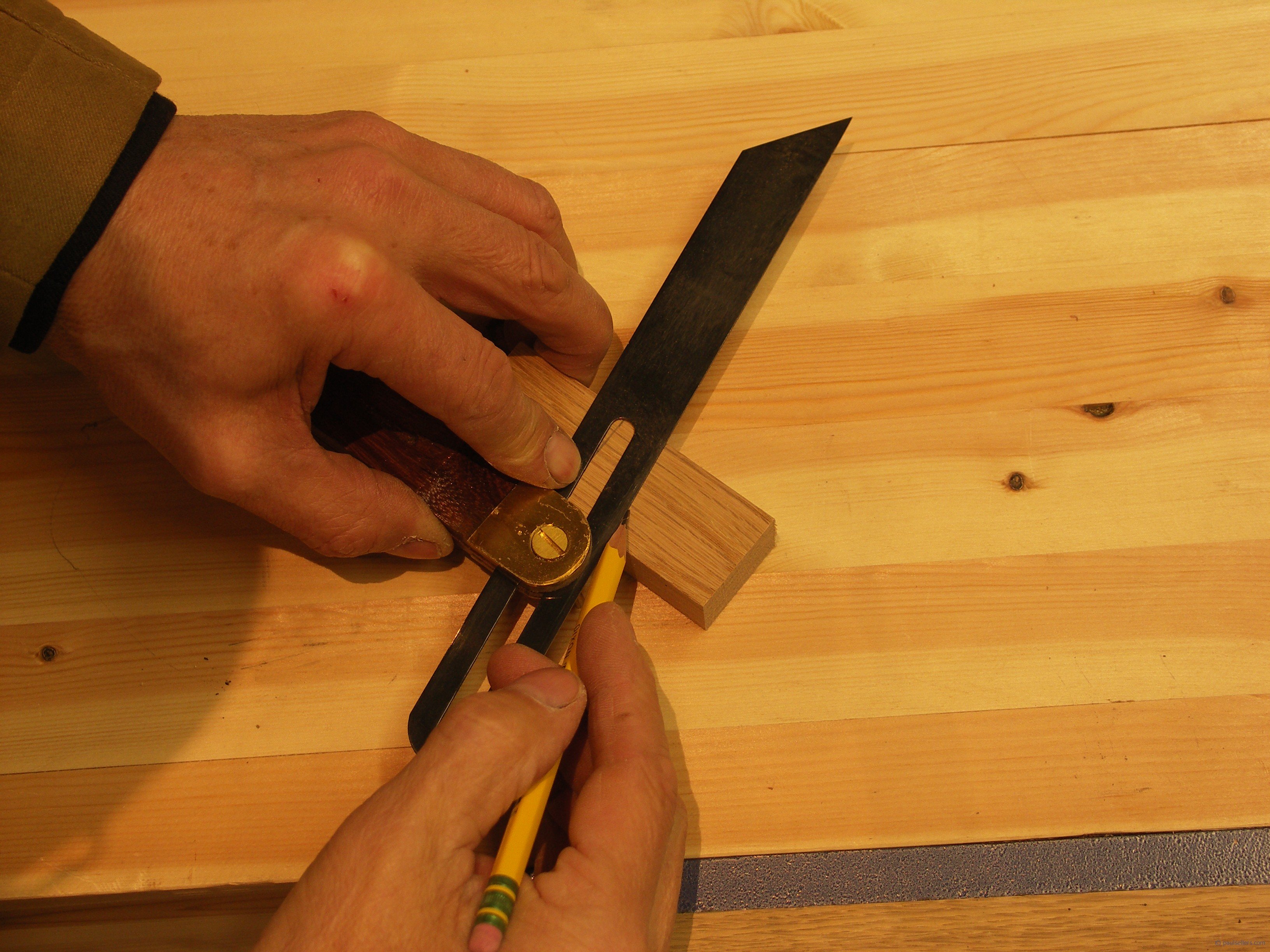
Lay out the angle of the dovetails, which is a ratio of 1-7, by squaring a line from one straight edge and measuring up the line 7” and along the corner edge 1”. Any equal increments will work; like 7cm and 1cm. Join the lines together and then use a sliding bevel to set the 1-7 angle on. This will no guide your pencil lines on the blank.
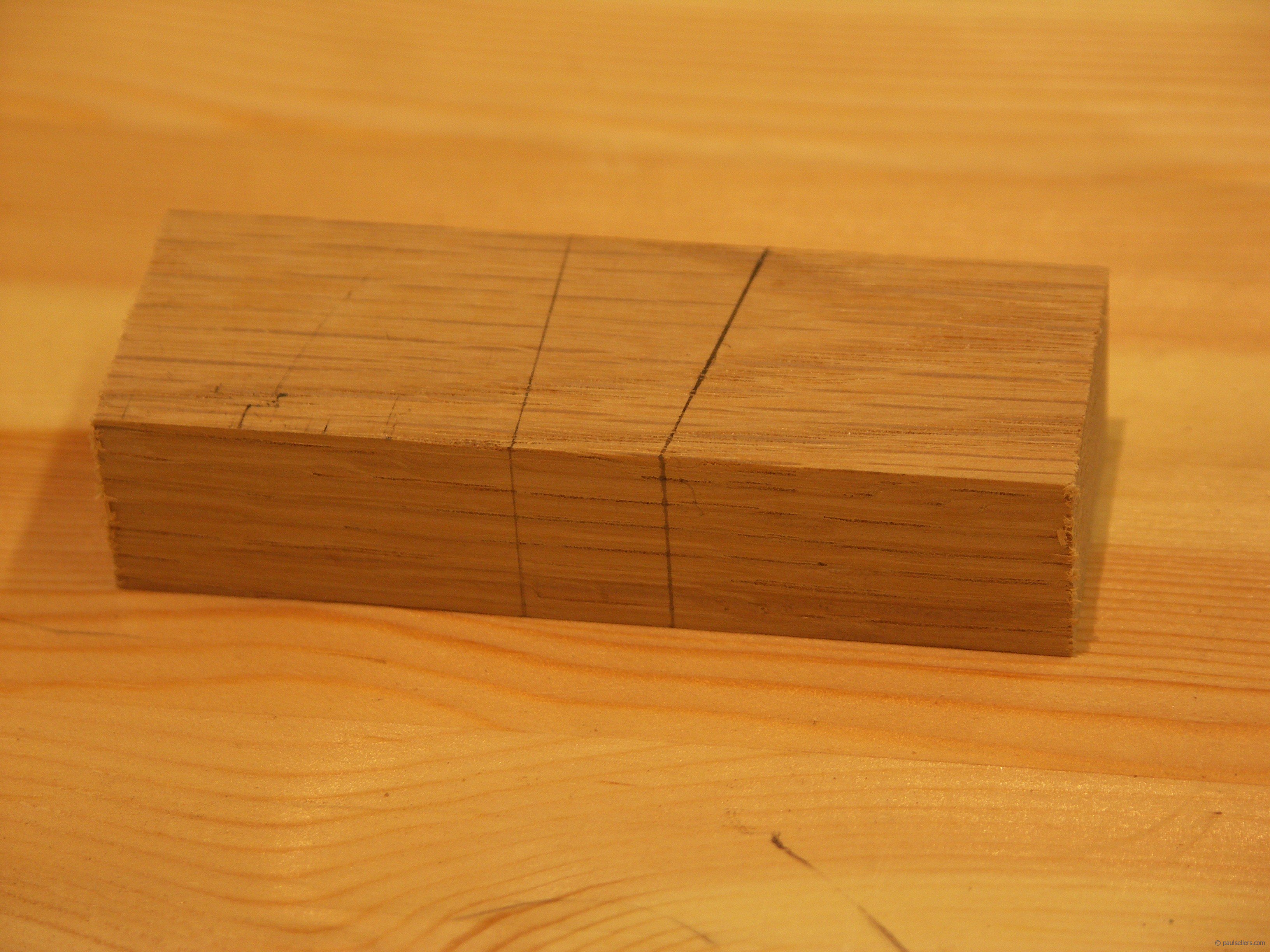
Your blank now looks like this. The angled line at right is in the same direction on the underside, so the lines are square up and down and the angled lines connect. That way you can flip the template for each side of the dovetail.
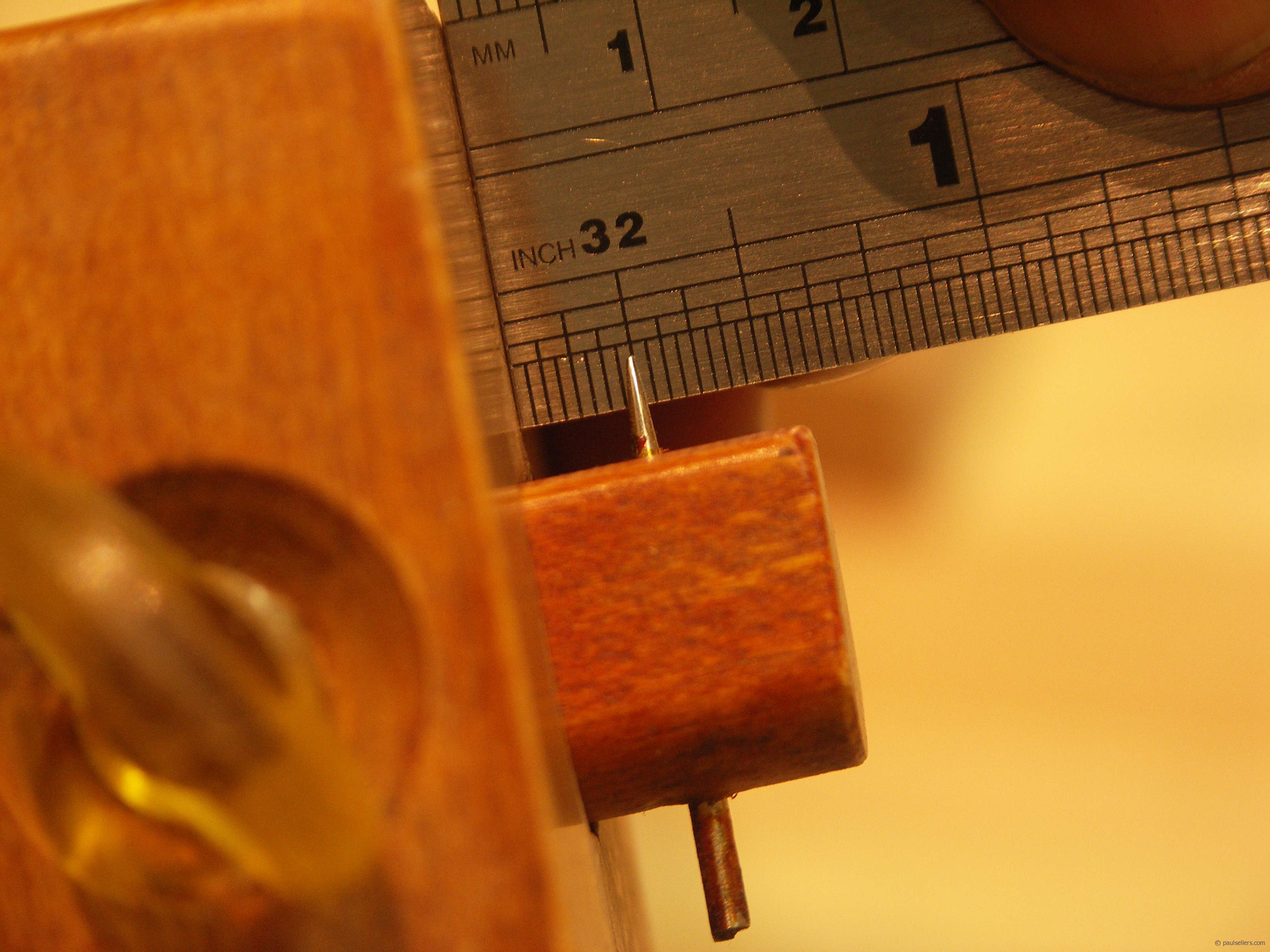
Set a marking gauge to ¼” (6mm)…
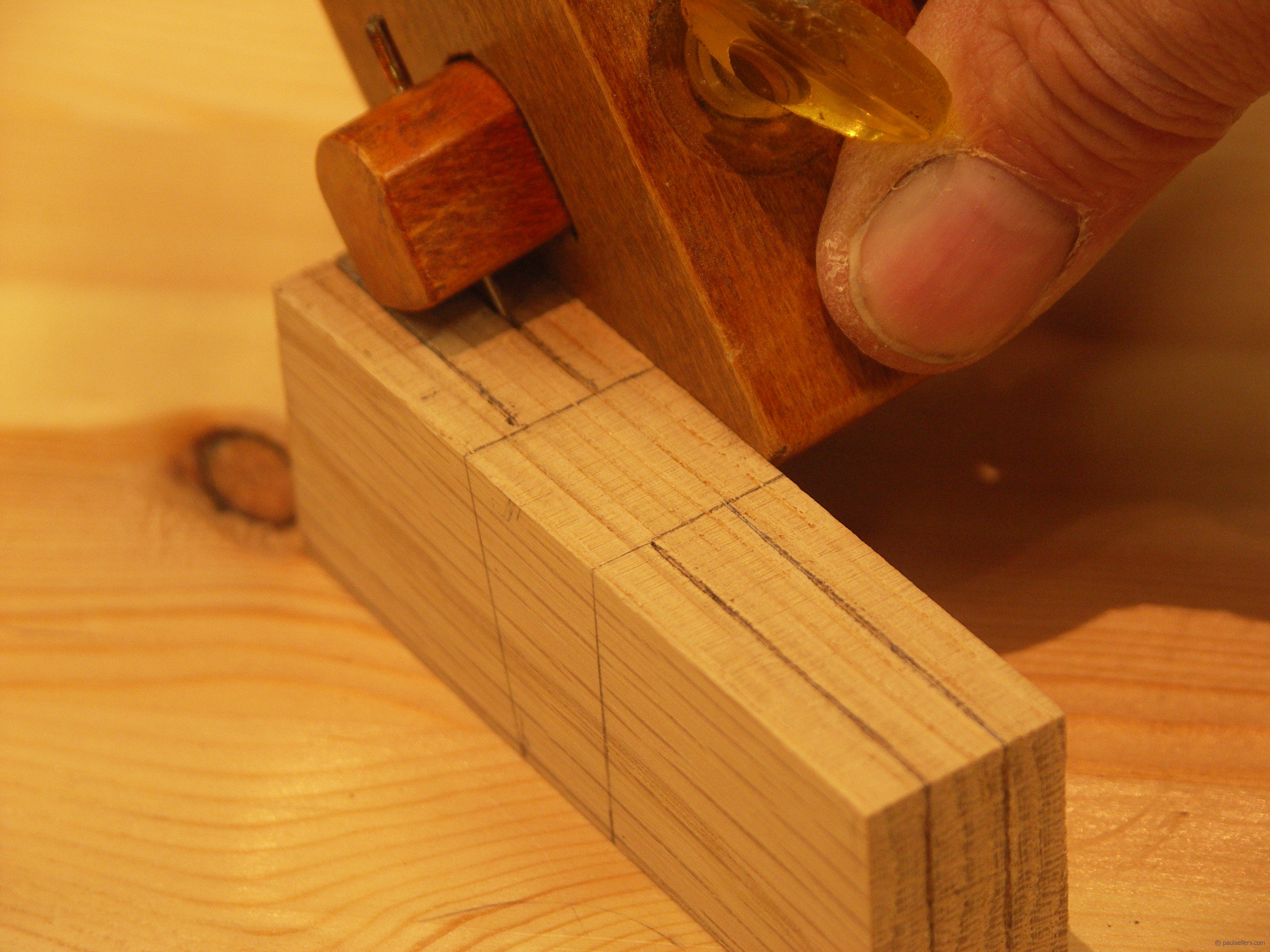
…and run parallel lines from the shoulder lines along the length of the blank from both wide faces.
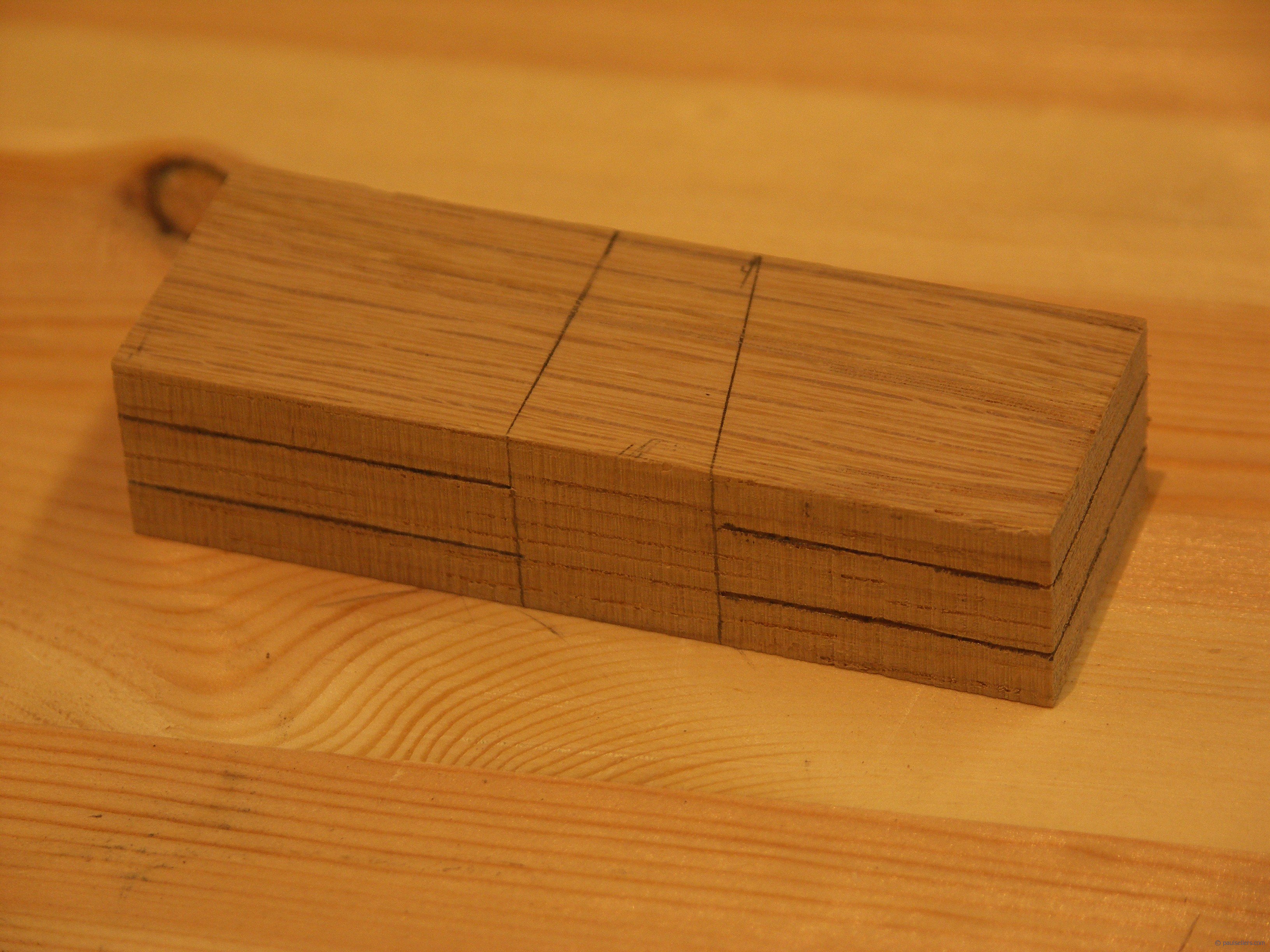
Your blank will now look like this.
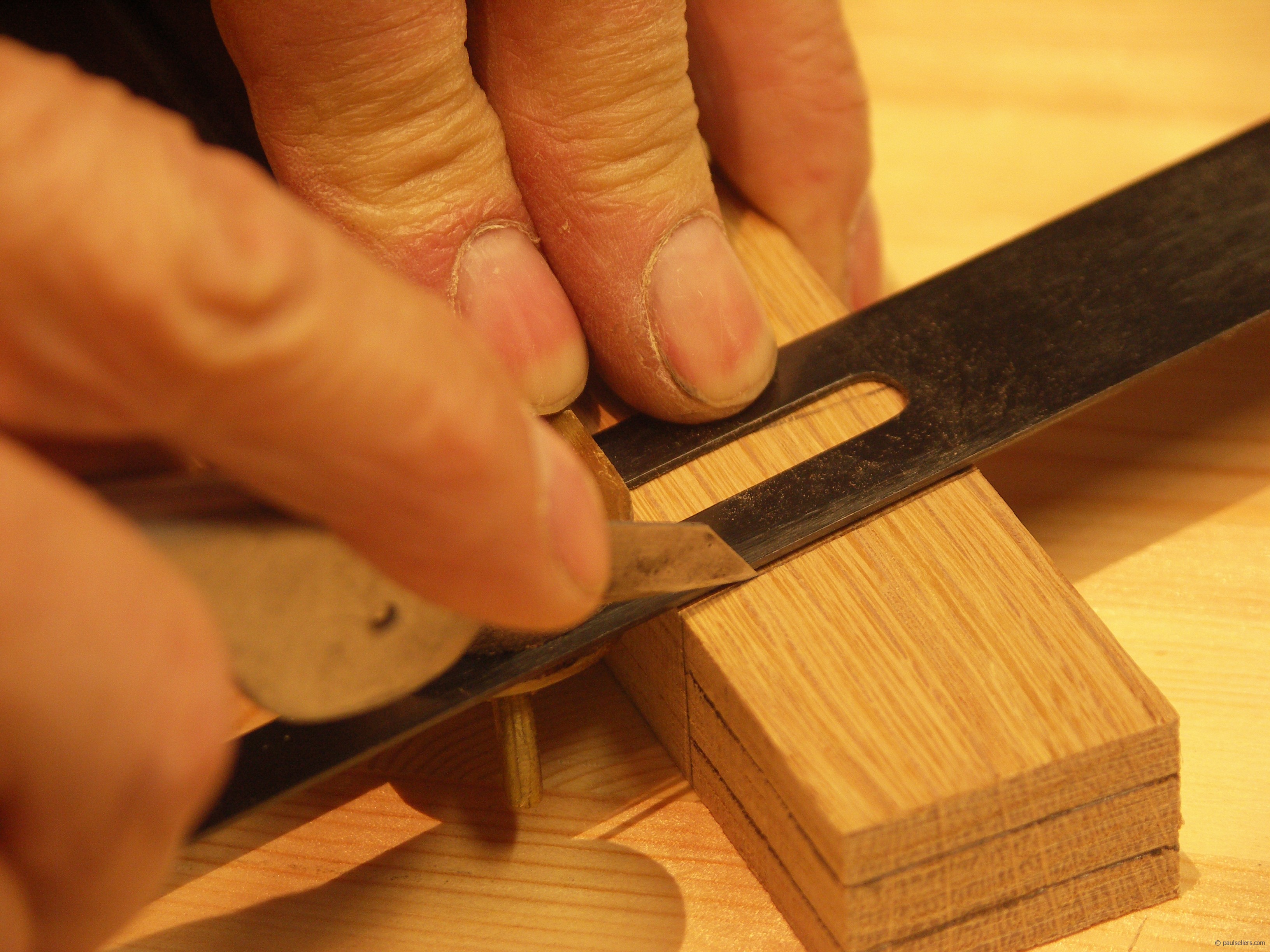
Use a knife, square and sliding bevel to develop what I call a knifewall on the pencilled shoulder lines.
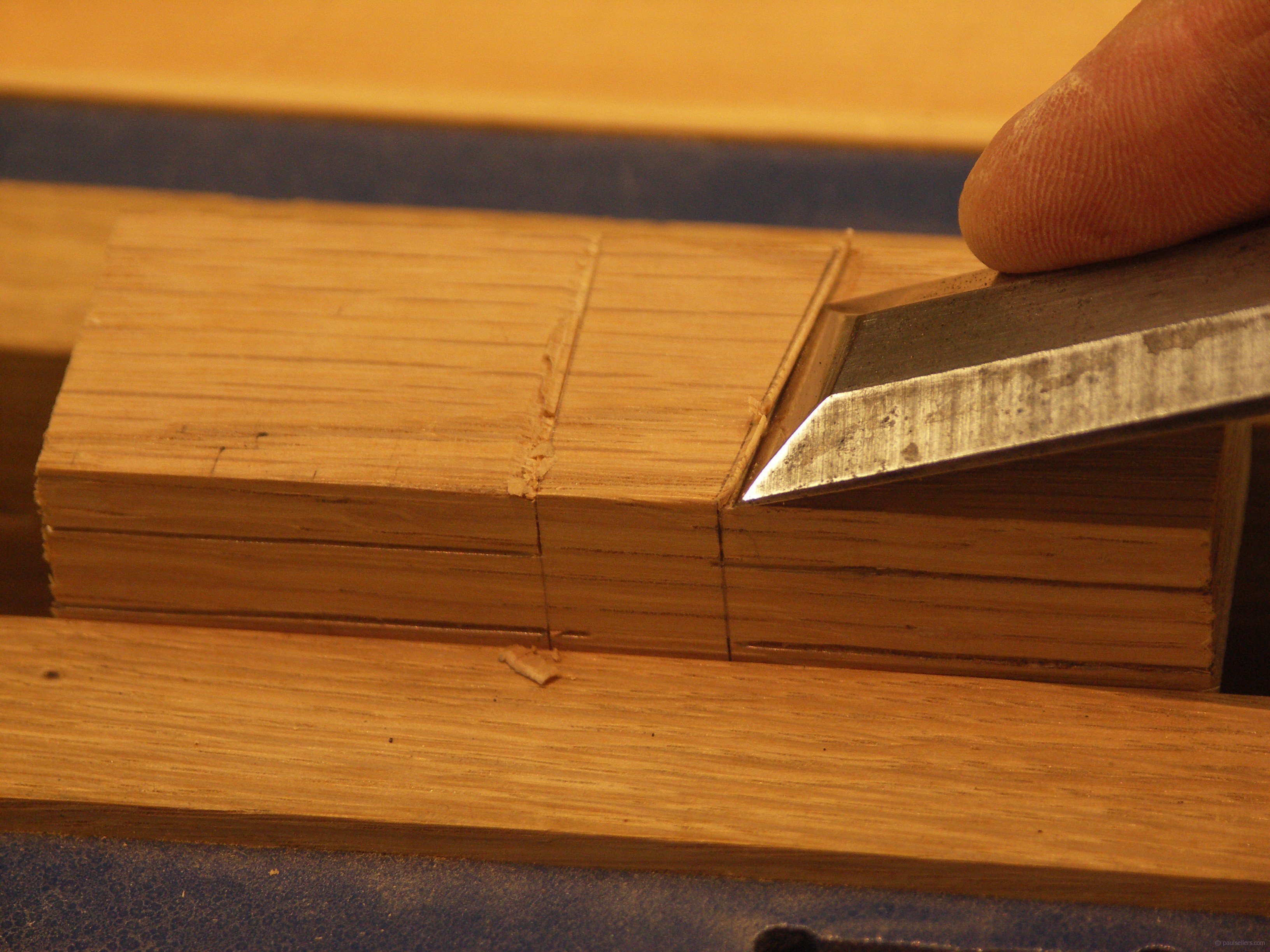
Further define the knifewall with a 1” wide chisel, chiselling into the knifewall from the waste side (the part you are about to cut away). This creates a step-down to receive the saw tight up to the knifewall.
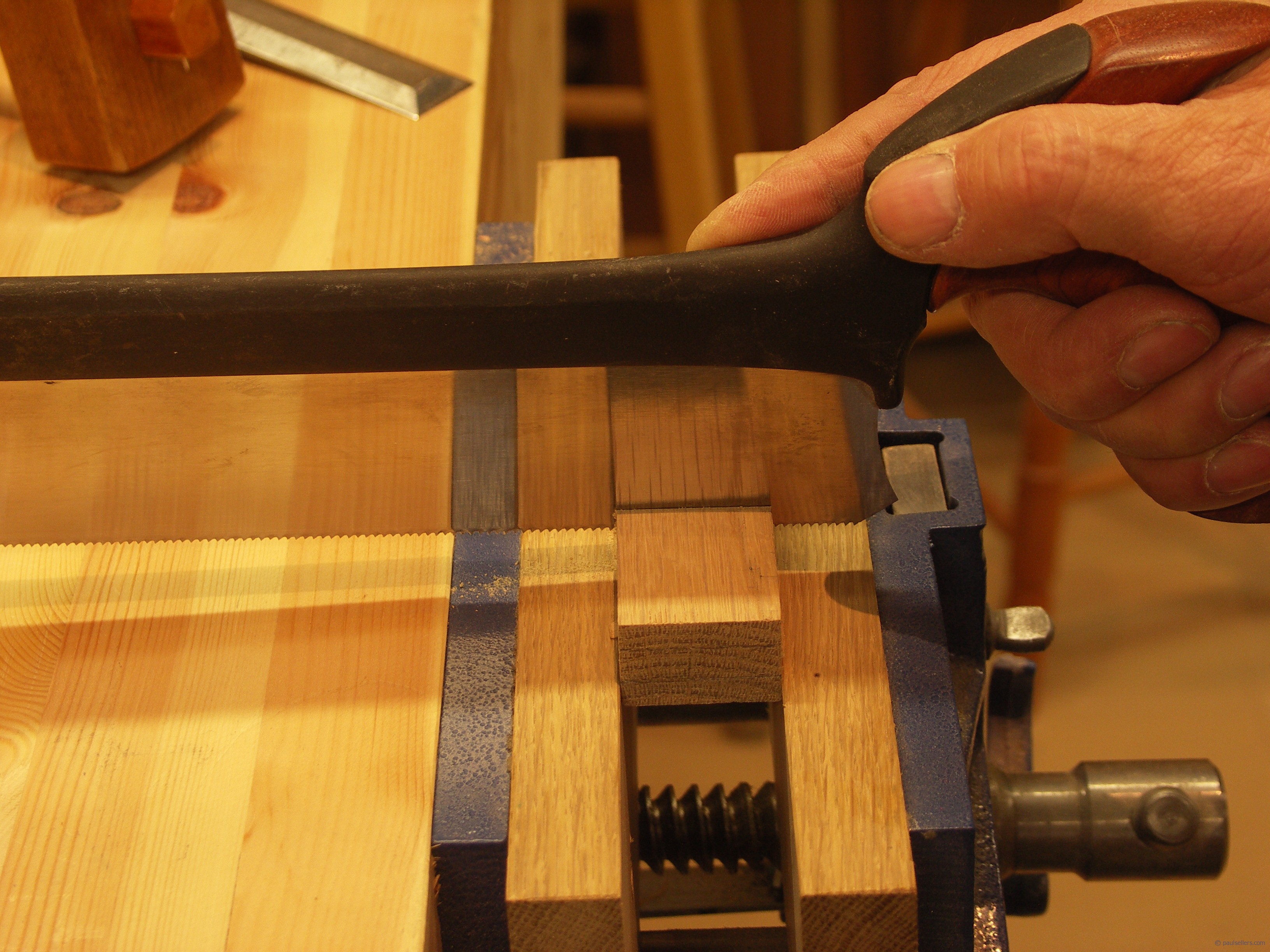
Set the dovetail saw into the recess and cut carefully against the knifewall, down to the gauge line.
Now cut down the cheeks of the template cheek with the same dovetail saw.
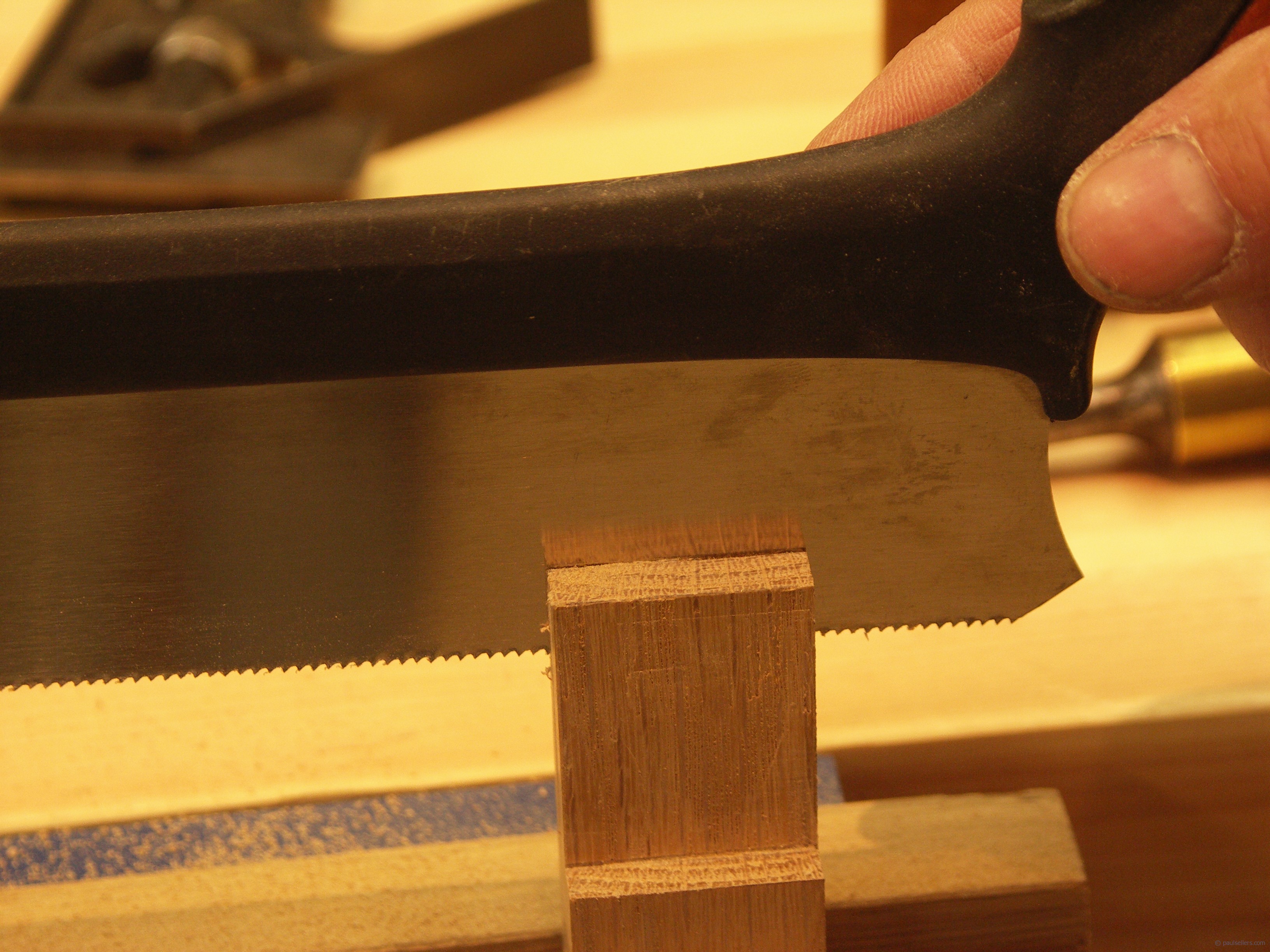
First, it’s best to saw across the end…
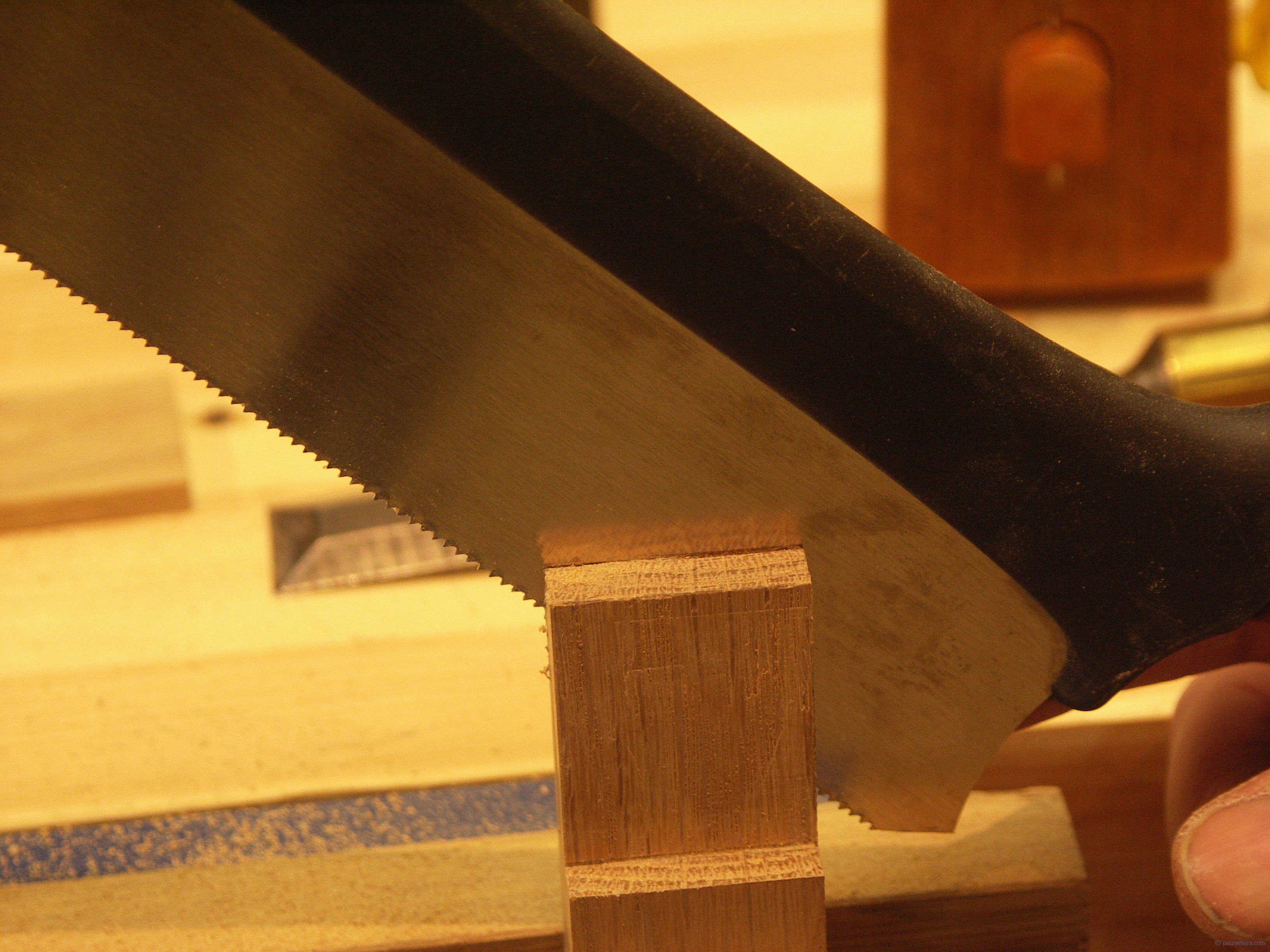
… and then drop your hand to cut along the grain…
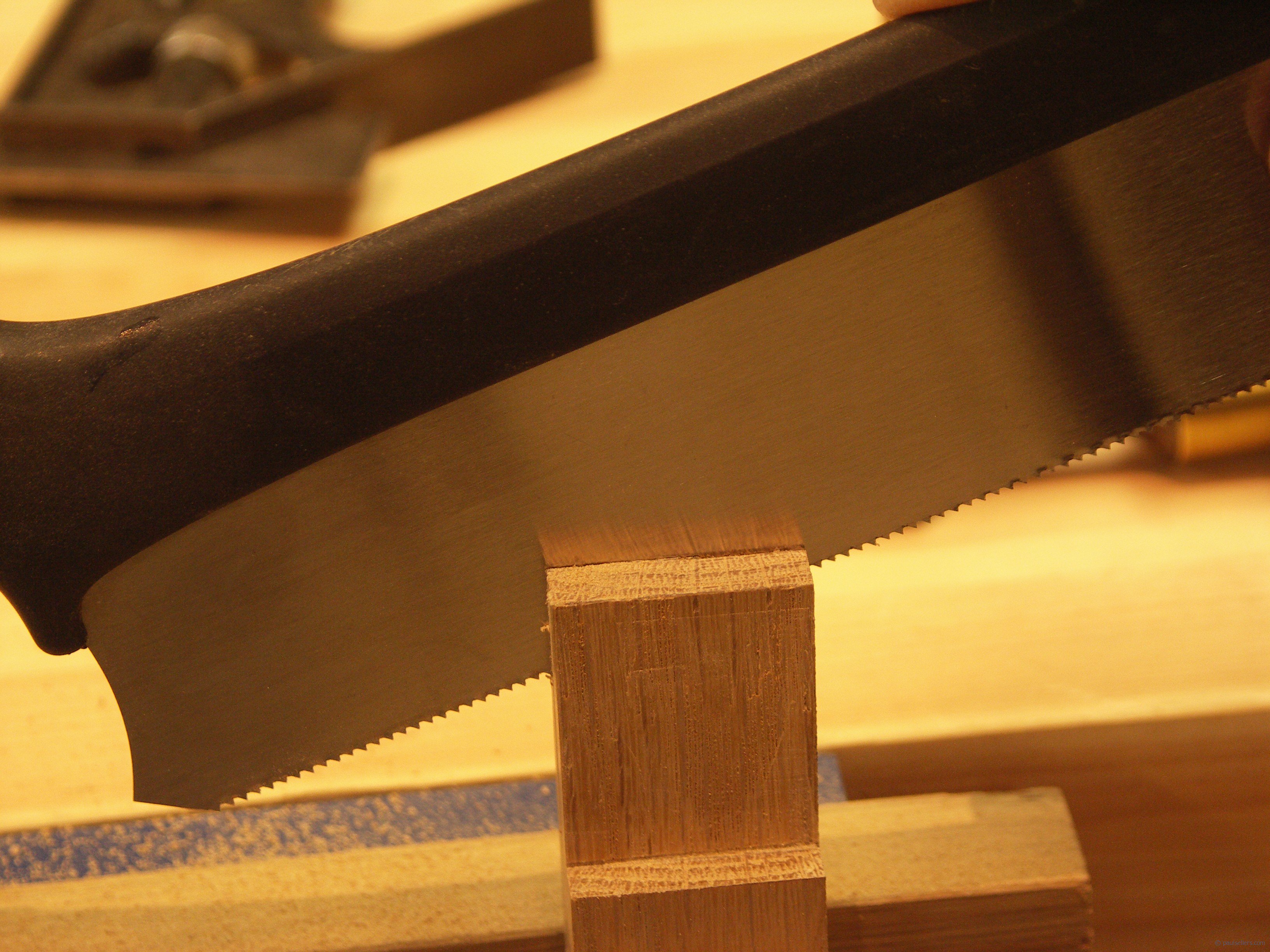
…and then drop your hand from the other side.
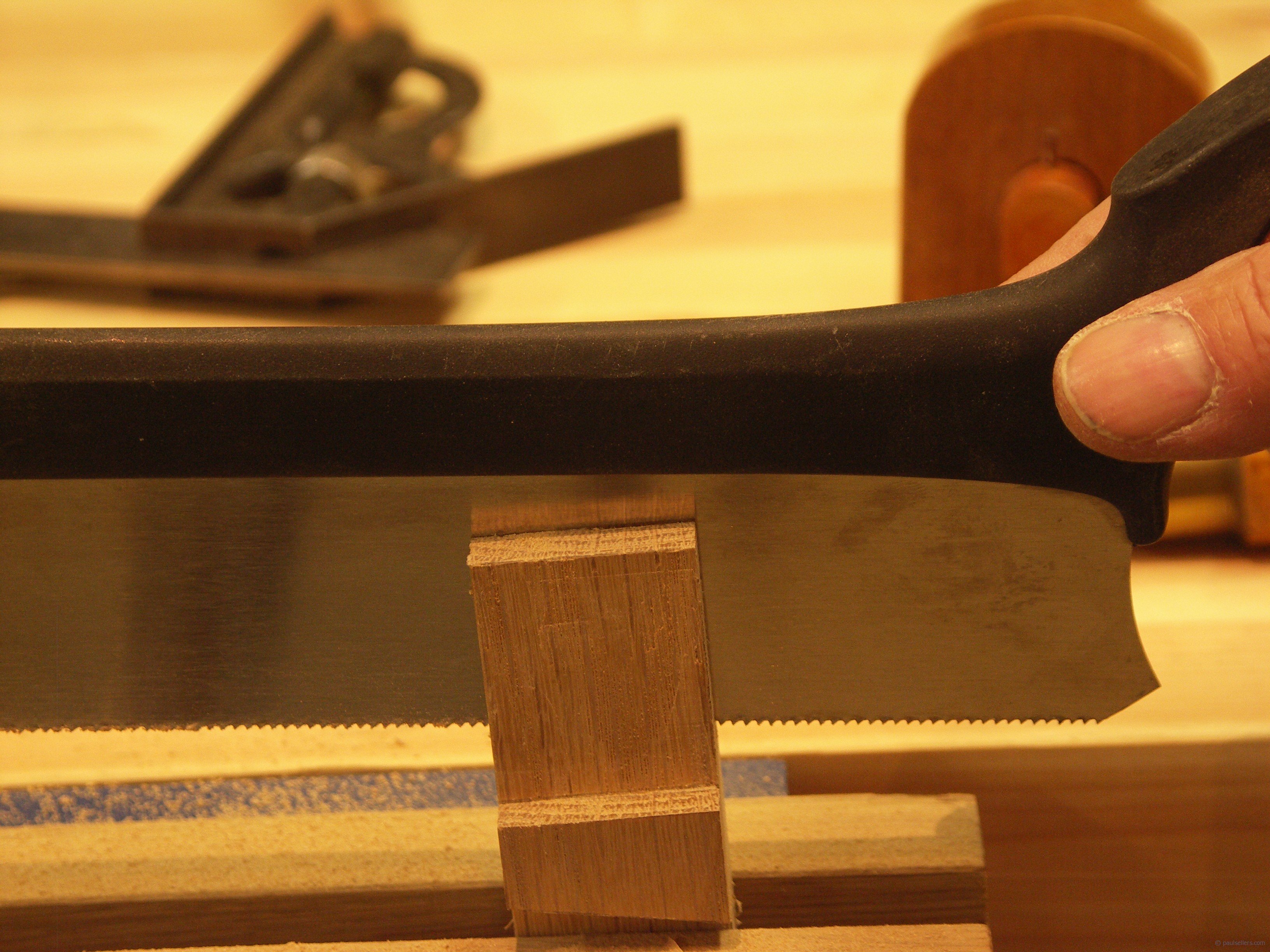
Now saw level and the previous angled saw cuts will guide you as you deepen the saw cut.
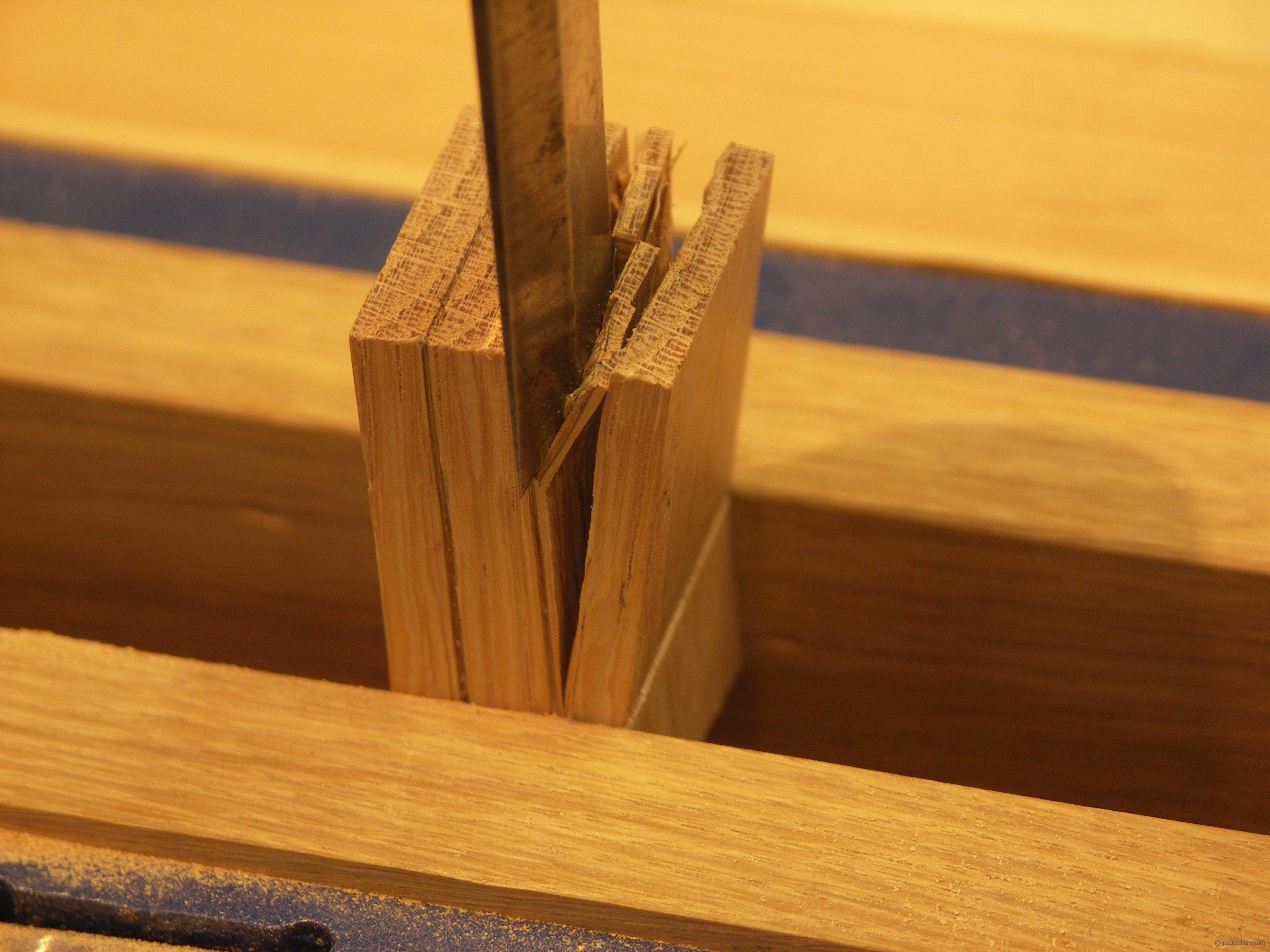
You can of course split the cheeks. I use this method as much as sawing. Especially if I'm in a hurry. It's fast and effective.
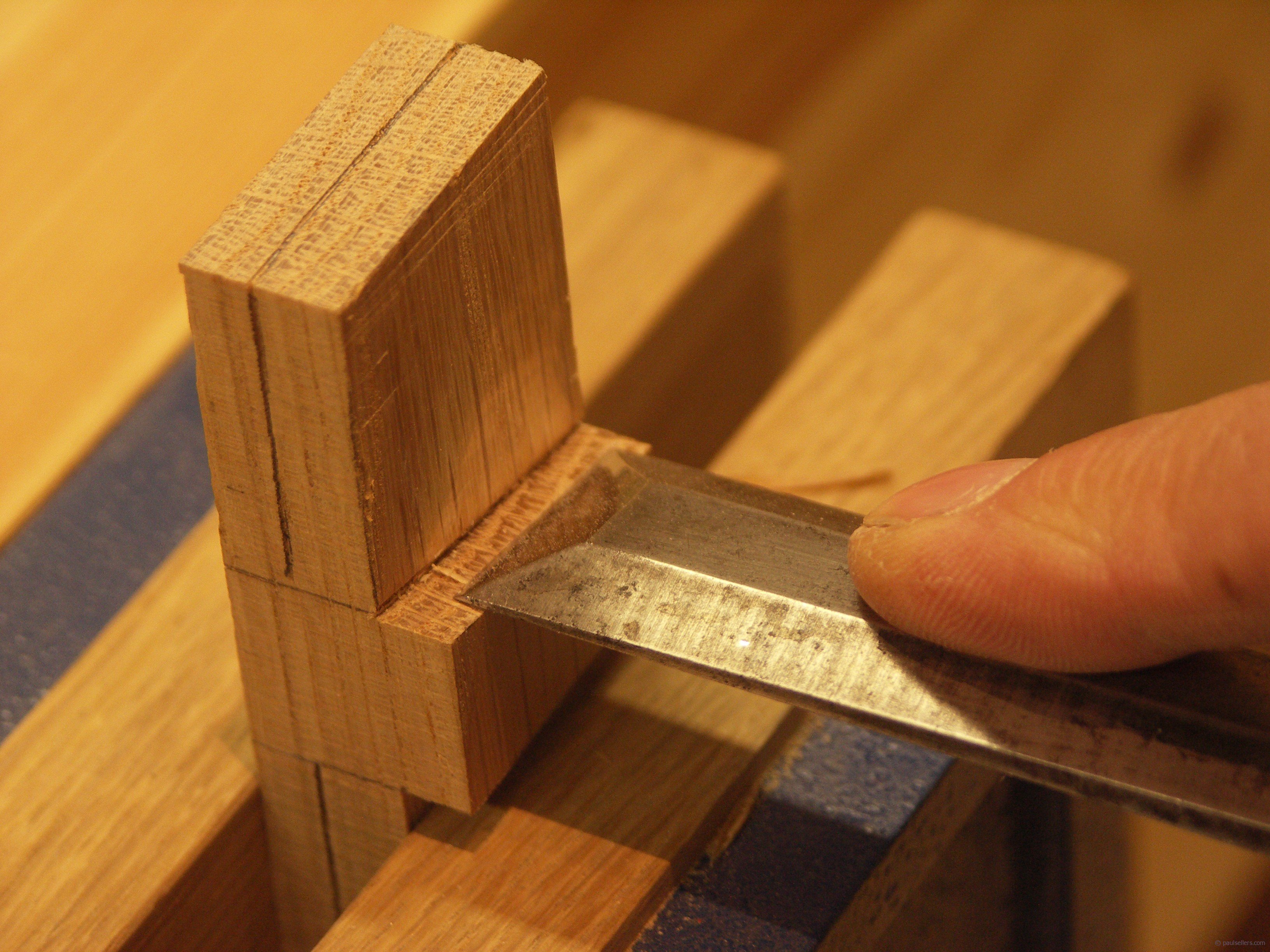
I pare the shoulders clean with a 1" chisel...
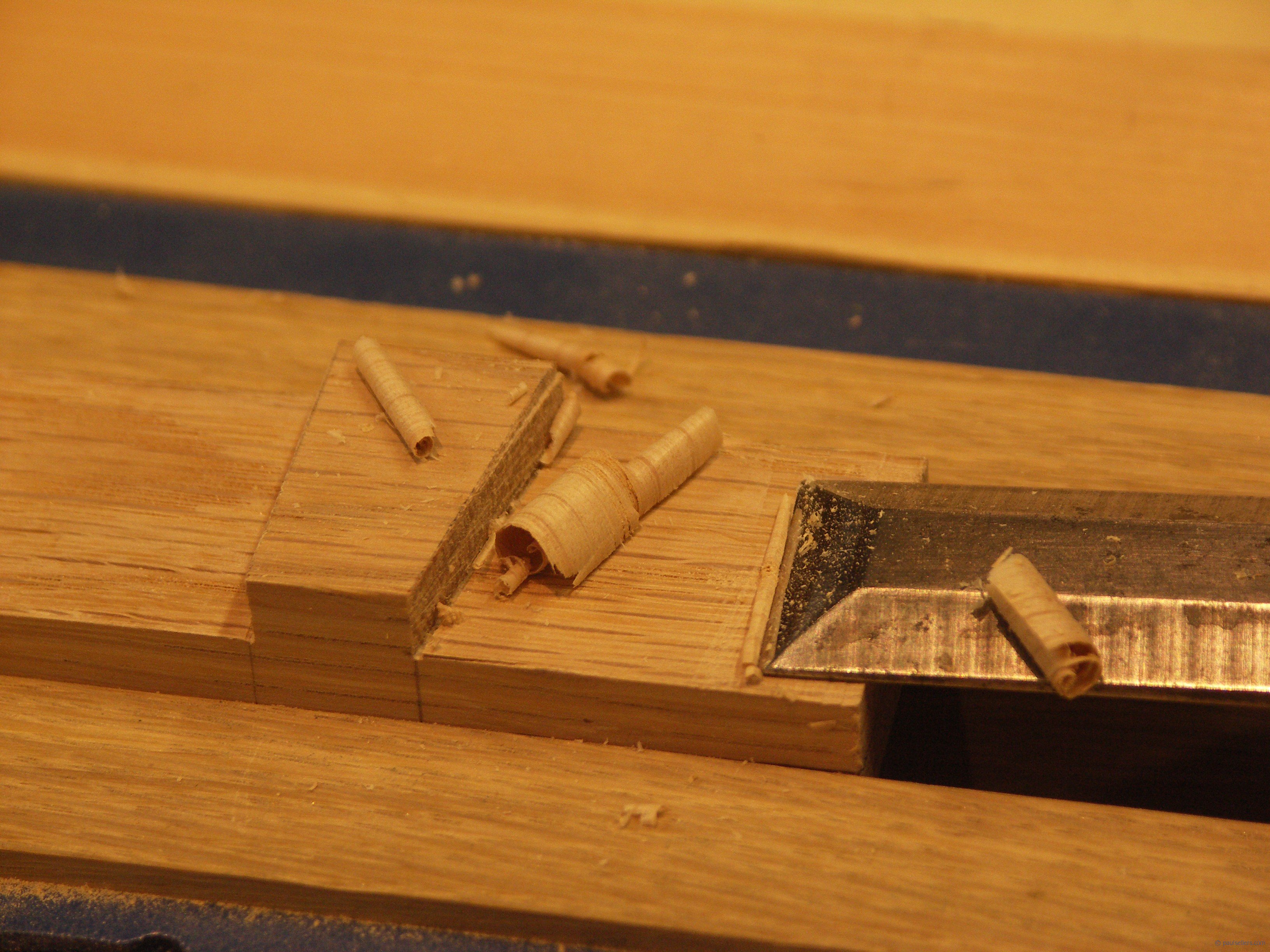
...and also the faces of the cheeks.
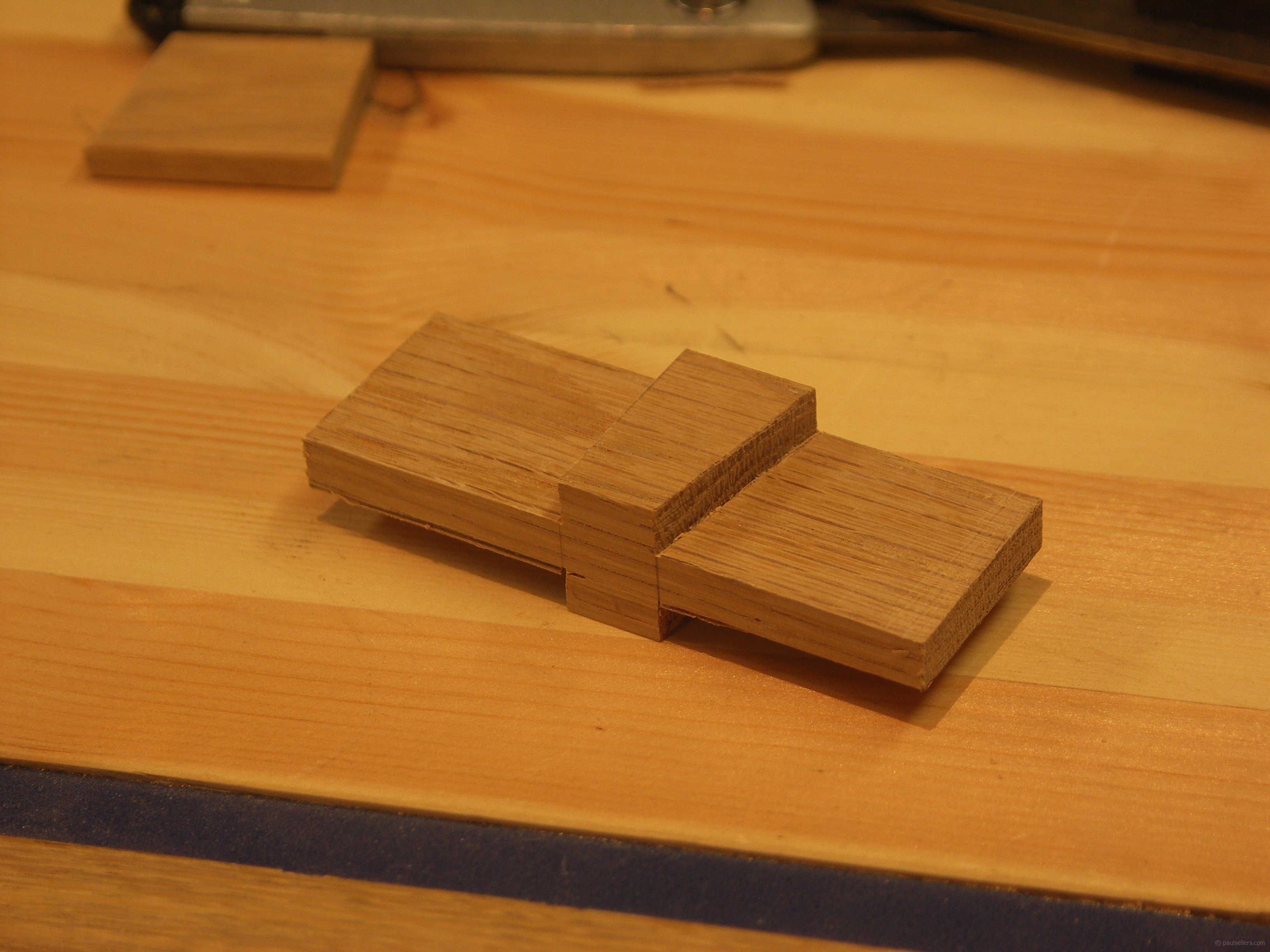
Your template will now look like this.
Comments ()