
Pine - a wondrous resource!

Someone (not the first one) asked why I am using pine instead of a hardwood. The suggestion in the question is sometimes more like; “Why use a trash wood when you could use something decent?” I understand where they are coming from, but you know pine was at one time highly regarded. We may be striving for a more austere period to try to reconcile wasteful and luxurious lifestyles, but with the industrialising of life - family, education, business and so on, we cheapened what was once prized and so we disregard woods such as pine, fir, spruce and so on and treat them as low-grade materials when in reality they are sustainable, practical and, if you give them the opportunity, they give glowing results. People often ask me what my favourite wood is. I can’t say that one wood is my favourite; I can say that pine lives and thrives amongst my first half dozen.
Here are a few points for using coniferous pine type woods:
Weight
All of the modern softwoods are lighter in weight than most hardwoods domestically grown. Now I am talking about timbers growing in temperate zones. That means that they are lighter to fell, convert, season and dry. That generally has led to lower costs too, hence the lower price of dimensioned lumber in the store. We often rely on softwoods for secondary work, which today and for two centuries has meant work above and below stairs. In the domestic quarters of the house, those parts seldom seen by guests, pine provided workstations and cupboards, worktables, benches and so on. The front entertaining rooms saw an increased use of more attractive woods both domestically grown hardwoods such as walnut, oak, cherry, elm and many imported exotics ranging from mahoganies to rosewood, ebony and others from around the world.
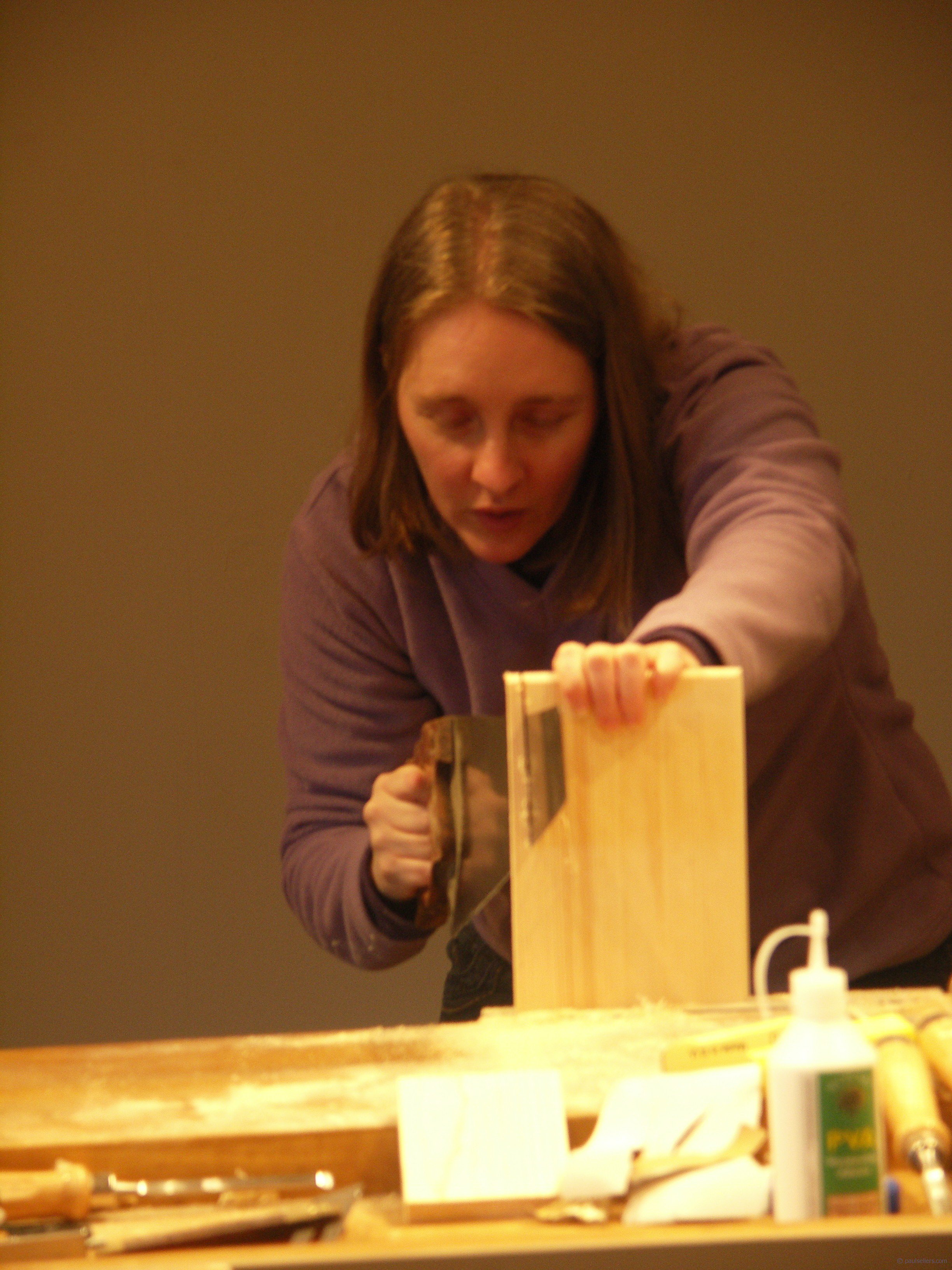
I also find it a perfect wood for training new woodworkers. I tell them that, "wood is like life - It comes with knots in it."
Strength
Many pines and especially spruce have the greater strength-to-weight ratio and indeed are so light they advantage many aspects of work. This we could say to be important in the construction realms of our work say on larger projects requiring lighter weight components, but there are other uses too.
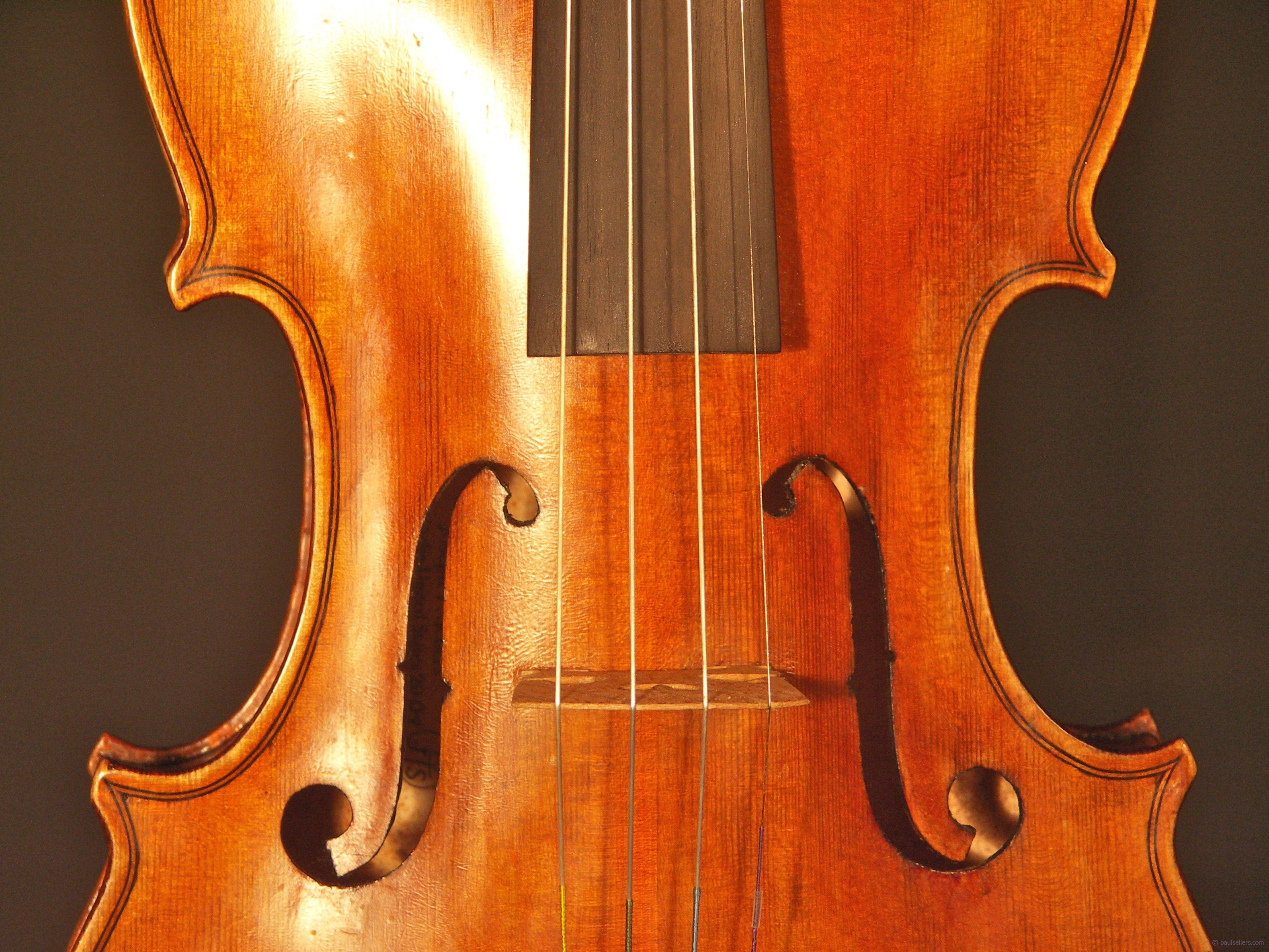
This is a violin made by my son Joseph Sellers, a violinmaker in his own right
Spruce is commonly referred to as a tone wood and is used extensively in instrument making, for the front plates on violins and guitars especially. Though tone is its primary value, the pressure on a steel stringed guitar, violin and cello is quite staggering, especially under aggressive aspects of playing.

An ideal wood for many projects, pine-type trees are wonderful!
I cannot recall any of the craftsmen I knew using anything but pine for their tool boxes and it wasn’t just cheapness of materials but weight to strength practicality they sought. On my tool chests I have always used pine. Perhaps when I take forced retirement I will make a fancy mahogany one in which to lay my tools down in. Until then, I would rather lug a pine one around than a heavier one from oak.
Softness
Probably not considered a value but indeed it is. Pines are often soft and absorbing. They cushion many aspects of life and are especially pleasing for shelving, linings and so on. I love softer woods like this for my tools to rest in.
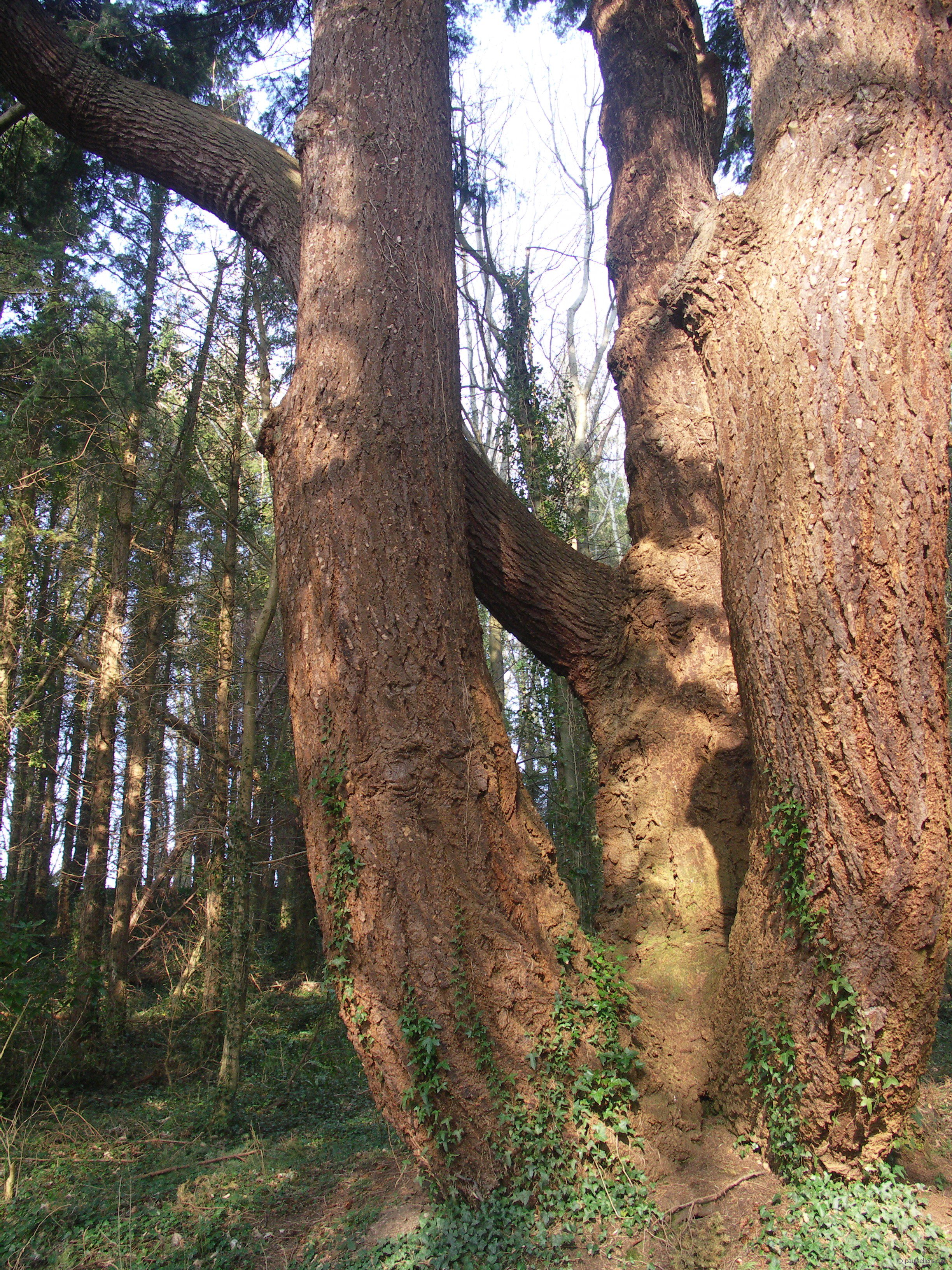
Pine is and always has been a sustainable wood
I also like the way pine works with hand tools (and machines); the lovely smells, the softness and the ribbons of fine shavings from the closely grained wood. Some of course have extremely hard aspects to their substance such as Longleaf pine’s extremely hard late growth rings. Of course as a protected species no one uses none commercially grown wood except wood bought from second hand wood suppliers, but not many pines exceed the density and hardness of this species. What a wonderful wood and what a sad loss to the world of woodworking through man’s greed and carelessness. Knots in pines too can be extremely hard and especially so in Spruce. I usually cut around them when I can.
Appearance
Because of what we did to pine we often look upon it with disdain. Sad really. Raiding and stripping the forest of its prime growth trees, removing dense canopy, force growing new hybrids has indeed led to more sterile grain with lifeless blandness, but that’s who we have become as we allow our lives to be taken into the industrialised wastes. To be candid, we need to rethink the things we have been absorbed unwittingly into. Mass making stuff because things are cheaper often have a way of biting back five and ten generations later on. But that’s not the reason not to do what we do. We should simply care about the how of life. That then determines the outcome—good or bad.
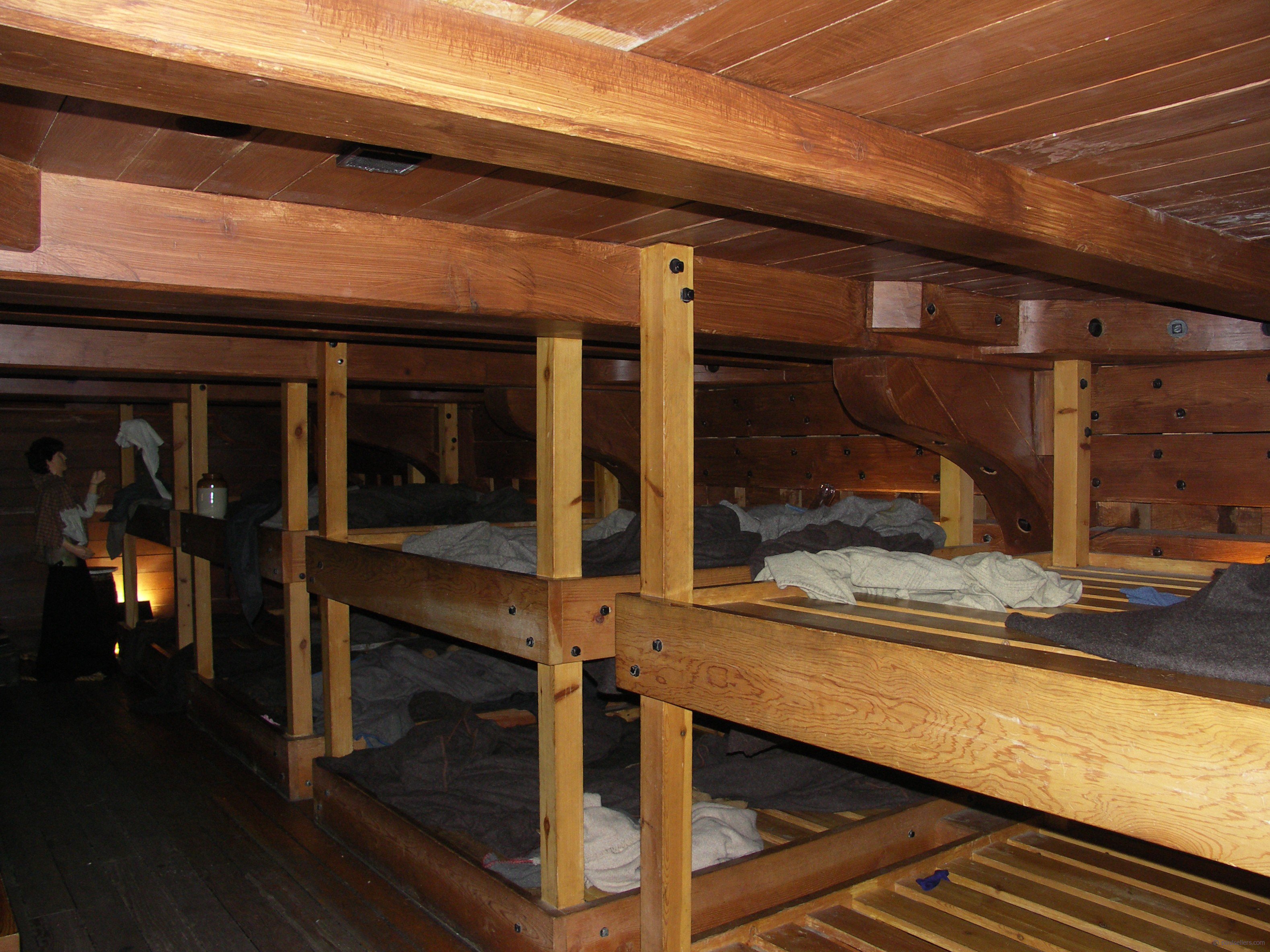
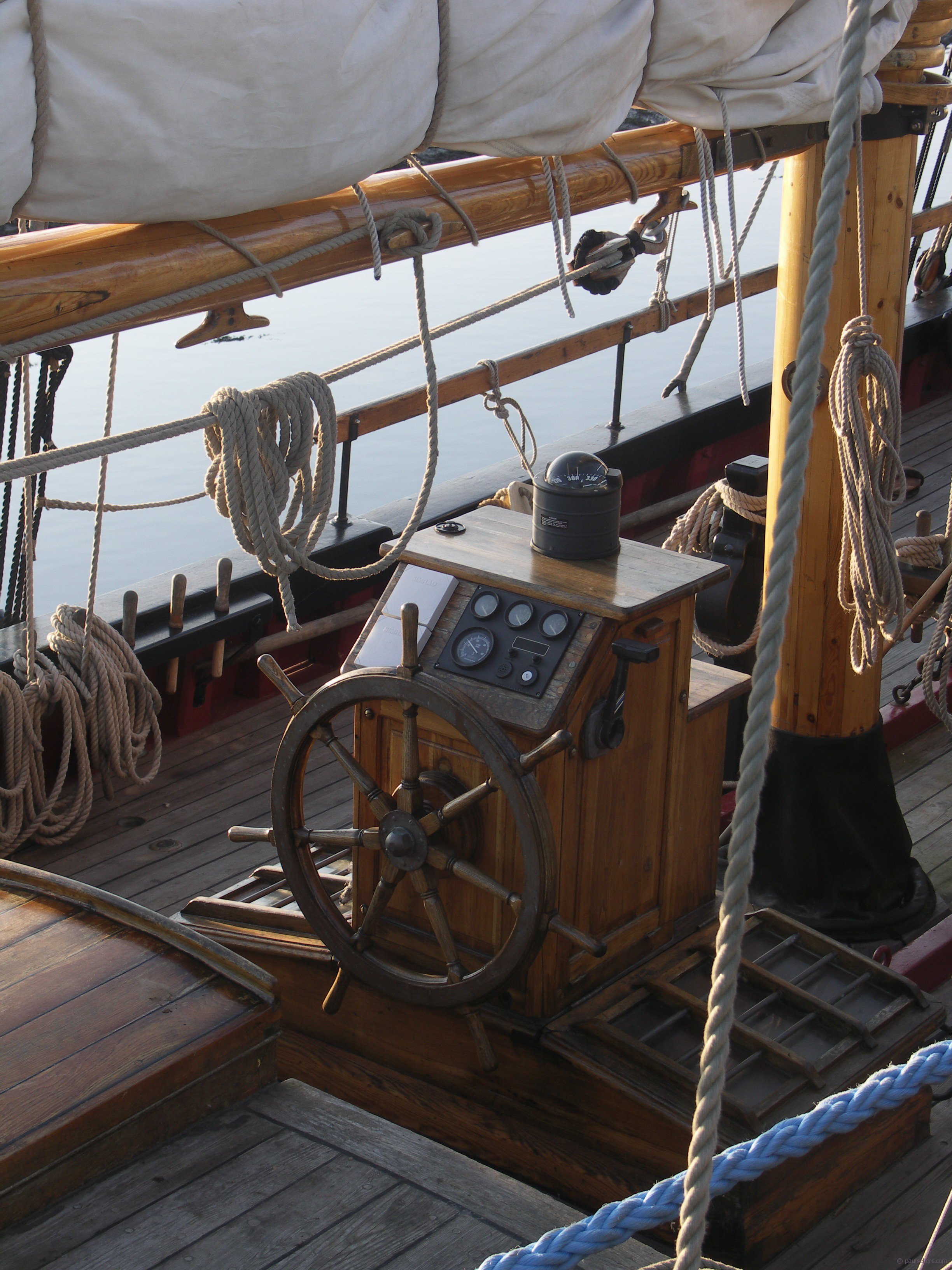
Pine used in sailing vessels brought migrants from Europe to the USA, but it's still in common use on vessels today.
Conclusion

I am learning more and more to value what we have. Wood is and always has been a truly valuable resource as essential to life as the very elements for without it life wood indeed cease. Aside from even that; the very beauty of wood in almost any from should never be taken for granted. Once we sever the stem from the root it can never be put back. Our investment should always be through conservation and preservation. Restoration is often a sign of severe neglect and though better than doing nothing should never be necessary if we have a good maintenance plan.
Love your wood!
Comments ()