
Choosing wood - where to begin
People often ask me where I source my wood from, whether it's locally grown and how I make certain its dry. Reality hits here because there is no stock answer. In the US, wood is readily available in a variety of ways and so options are more varied for woodworkers to pursue. In the UK it is not generally so easy to take a tree and get it slabbed into a wood stock, mostly because there are fewer independent sawyers owning WoodMizer resaw bandsaw mills.

Realistically, most woodworkers will never have access to the right tree, the right machine and the other resources, equipment and knowledge it takes to convert trunk to useable lumber or to establish this as an option. That said, if you ever get the opportunity to slab one tree into boards for your own personal experience of doing it, do it. I have cut and slabbed trees for many years and it's one of the most rewarding aspects of a furniture makers life to know the wood first as the log and then the stickered wood. It's the best way to know the wood and also to get sequentially book-matched slabs for creating stunning pieces from. Air drying in the stickered stack is the best way of drying and you know exactly when the wood is ready to use. Yes, it is a slow process, but a year or two passes quite quickly.
Quarter sawing is best done by the one using the final wood. Sometimes, splitting and riving is a good first step.

The wood I am using for the Hope Chest is inside my climate controlled workshop so it will be right around 10% when I actually use it, which is perfect for my country and most others too. There is always movement in a piece after it's made. Our goals as craftsmen is to minimise any risk. If people want something less organic and vibrantly natural they should go to IKEA and buy MDF products.
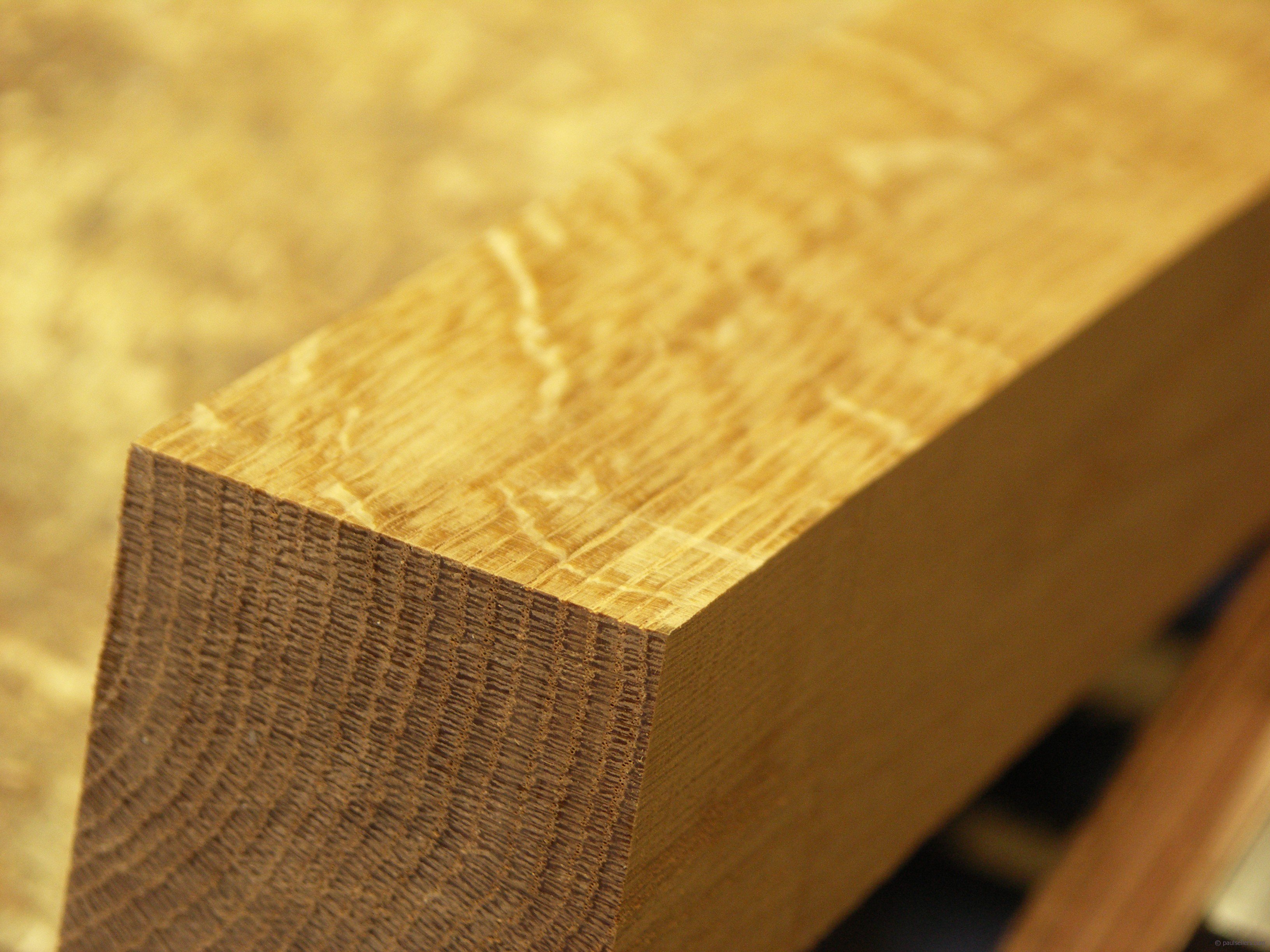
For my new Hope Chest I didn't necessarily want just straight-grained wood for the frames and legs so I first look carefully at the surface grain of the sawn stock to try to envisage what's underneath; inside the fibre and structure of the wood cells themselves. I find buying rough-sawn is always best because I have control of the whole processing work that transforms the wood into the billets and blanks I need so that every piece gets absolutely custom cut to the piece and it's this that makes the greatest difference to the work throughout the progress and at completion. It's not what you make that's important but the way you make it. It's this that determines the outcome. Of course it's best to buy wood as close to the source as possible so if you know a sawyer it's best to get to know him and also get him to know what you are looking for in a particular project and projects you to be birthed.
More to follow. Got to get to work...
Comments ()