
Restoring saws, discovering methods
I don’t think many know the origin of the bow saw. By that I mean the first date a man bent the sapling stem of new growth to stretch a steel saw blade between two extremes. My gut feeling is that the stem was already bent in growth, as a bowed branch if you will, and he took advantage of the continuous grain in the curve to add further tension by adding a little more bend. Not unlike saws like this but with only one bend instead of one at each end. Today we use the natural memory in steel to add the same type of pressure in bow saws such as logging, coping and fret saws. Between the two extremes of bent wood saws and bent tubular steel ones we find the jointed frame. Several names are acceptably applied to this saw tool type including bow, frame, Swede, buck and, if the handles allow for turning the blade in the cut, turning saws.
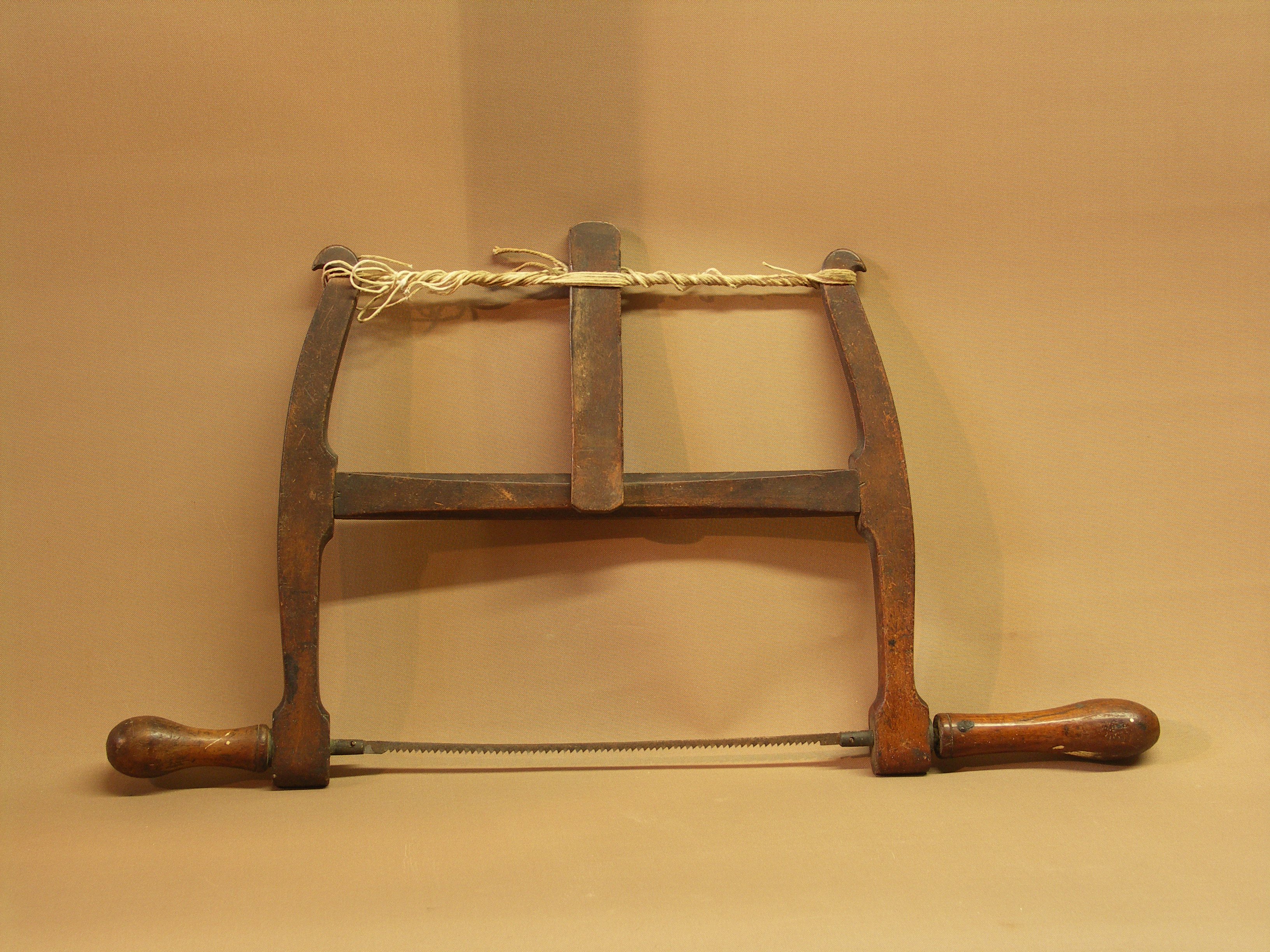
A couple came by last week and donated tools to The Hand Tool School here at The National Trust's Penrhyn Castle. Amongst the tools was a beech wood frame saw owned by DH Petty, a cabinetmaker in the early 1900’s.
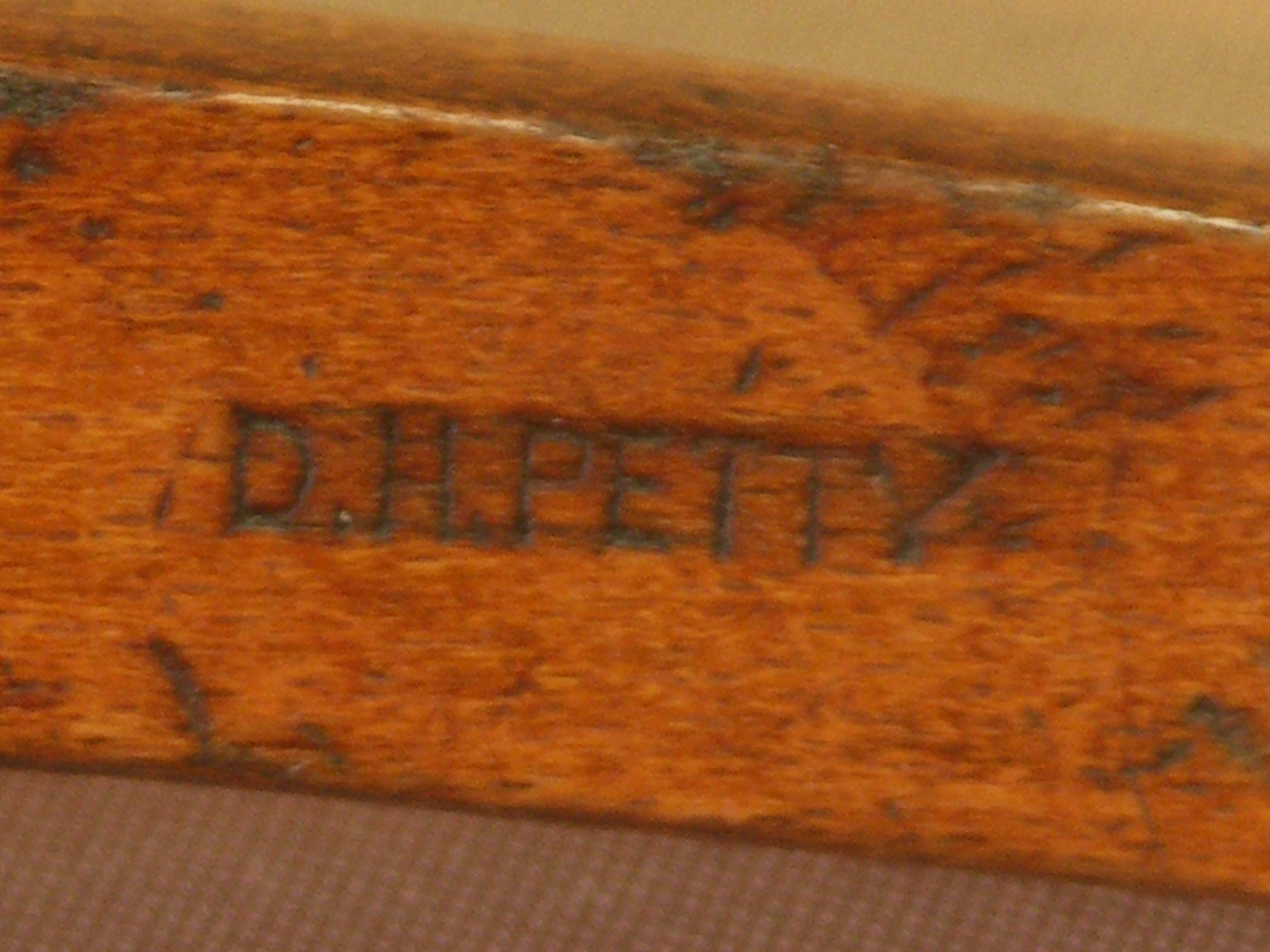
The lady donating the tools was his granddaughter. I dismantled the tool for restoration.
I think that it’s quite lovely and very graceful. I have seen fancier ones, but I like this. It’s fairly lightweight and compact being only 3/4” thick. Made from beech, the whole is hand made and when I took it apart to restore it I started to see the unseen details.
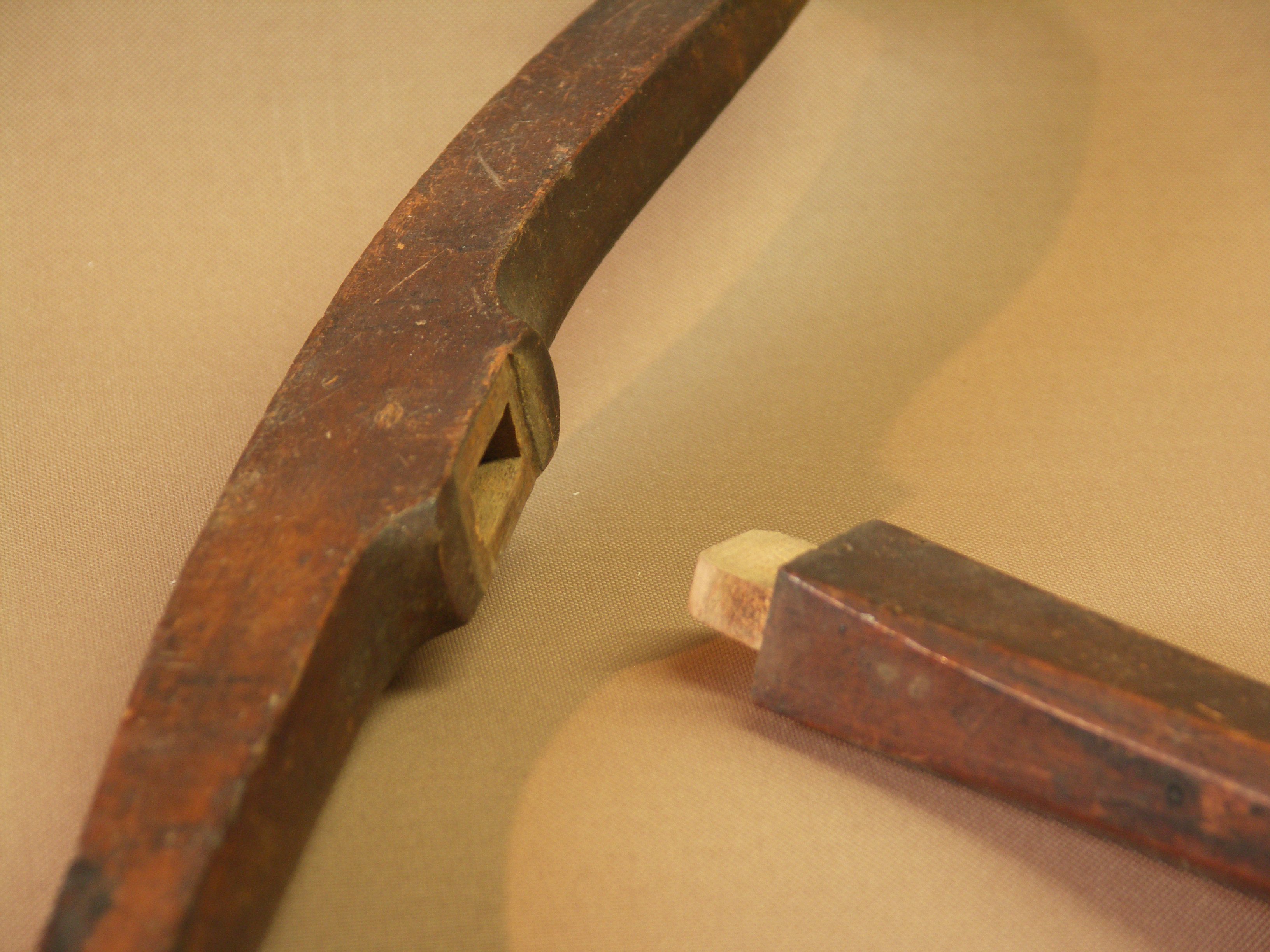
When I dismantled the saw I saw hand cut tenons and mortise holes and then I noticed that one of the tenons was numbered with Roman numerals using incised chisel cuts IIIV 1/4” (6mm) high. Quite precise. I estimate this saw to be 150 years old.
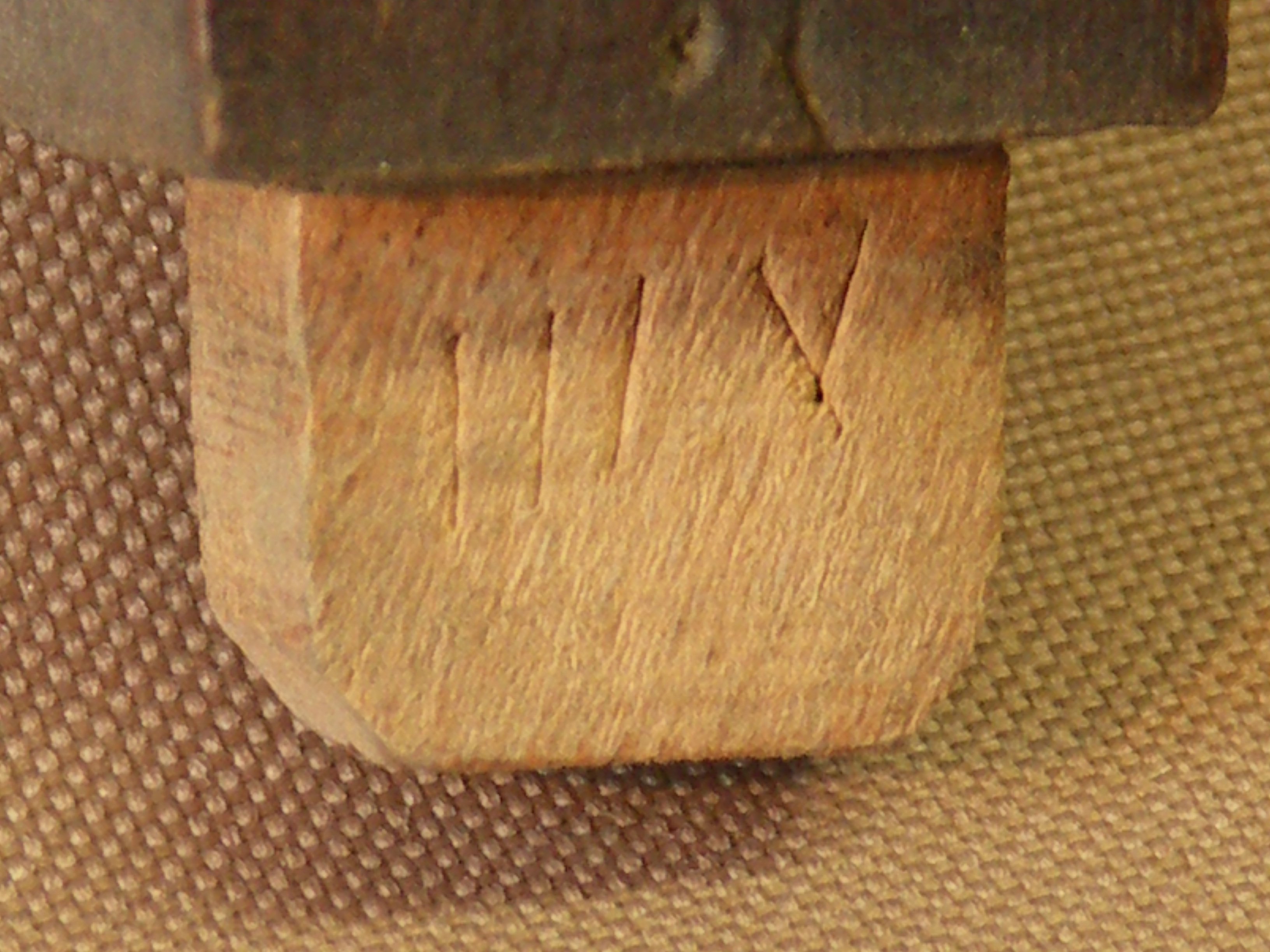
When I started to clean up the brass pins that hold the saw blade in tension I found the same IIIV Roman numerals, obviously identifying the specific parts to the specific saw. The cuts in the brass were not superficial but deeply cut.
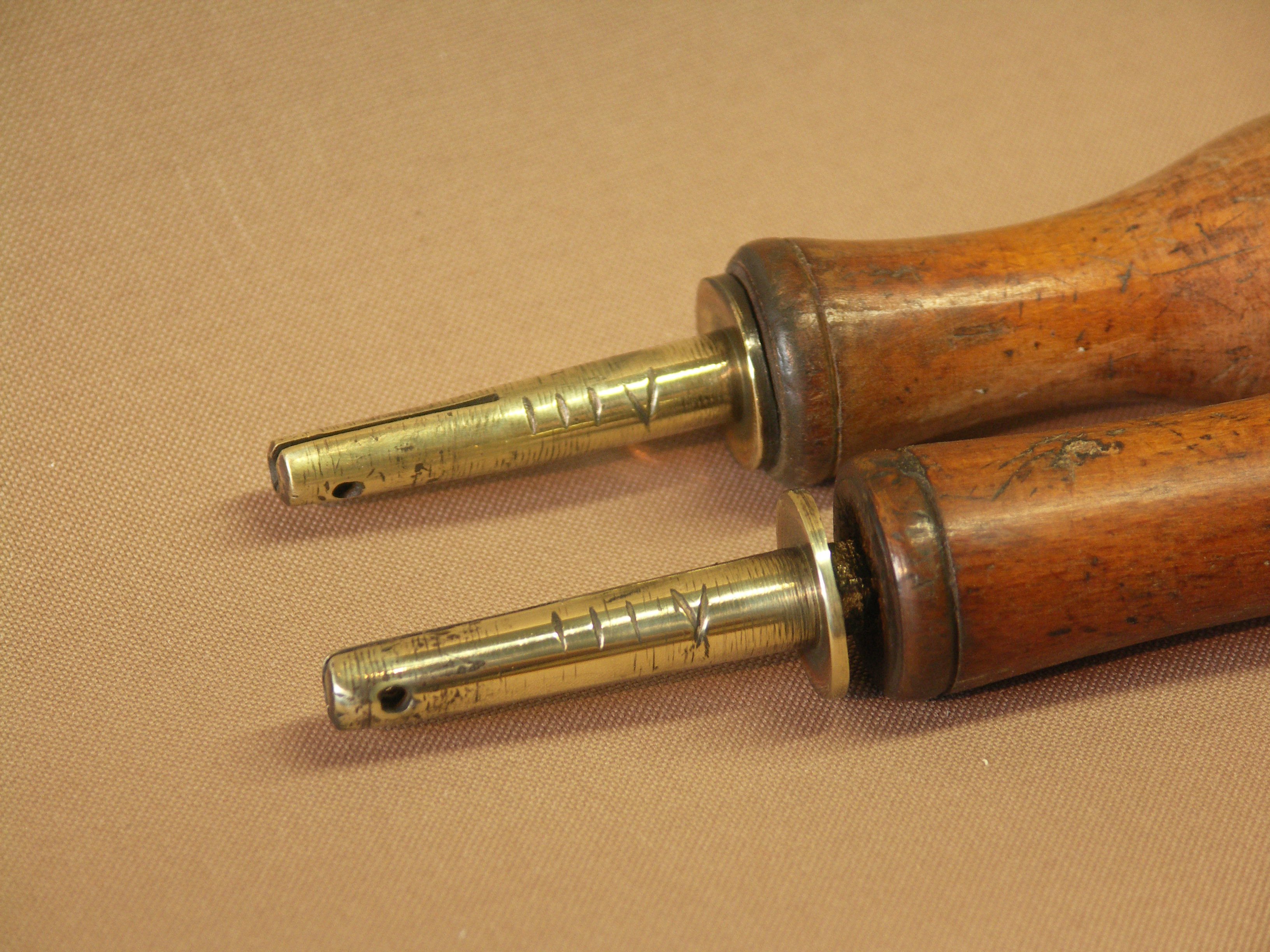
My thoughts on the numerals are that they are more numbering than numerals. On English furniture, makers often made marks that identified cluster parts belonging to a composed piece where the parts were dismantleable; so that they didn’t get mixed up with other pieces made up of the same or similar components either in manufacture or after being sold.
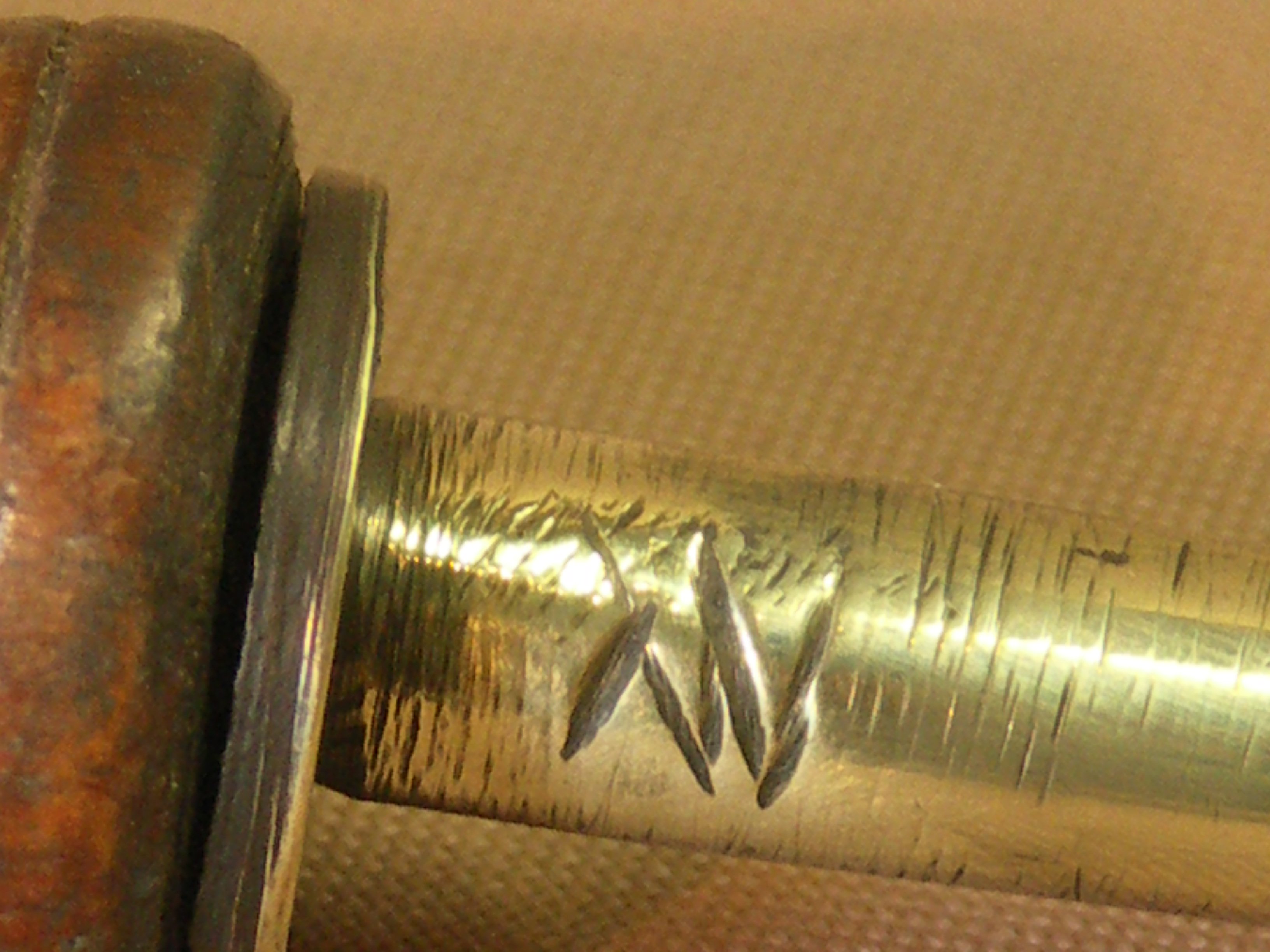
One of these pins had another identifying mark on the opposite side of the other marks XV, which could be the mark of the maker or master but I think more likely the number 15. This is the only part with this mark on it.
The tenons are 5/16” and cut by tenon saw leaving slight kerf marks in the corners by the shoulders of all four sides, telling me that this craftsman always cut his tenon cheeks and then his shoulders.
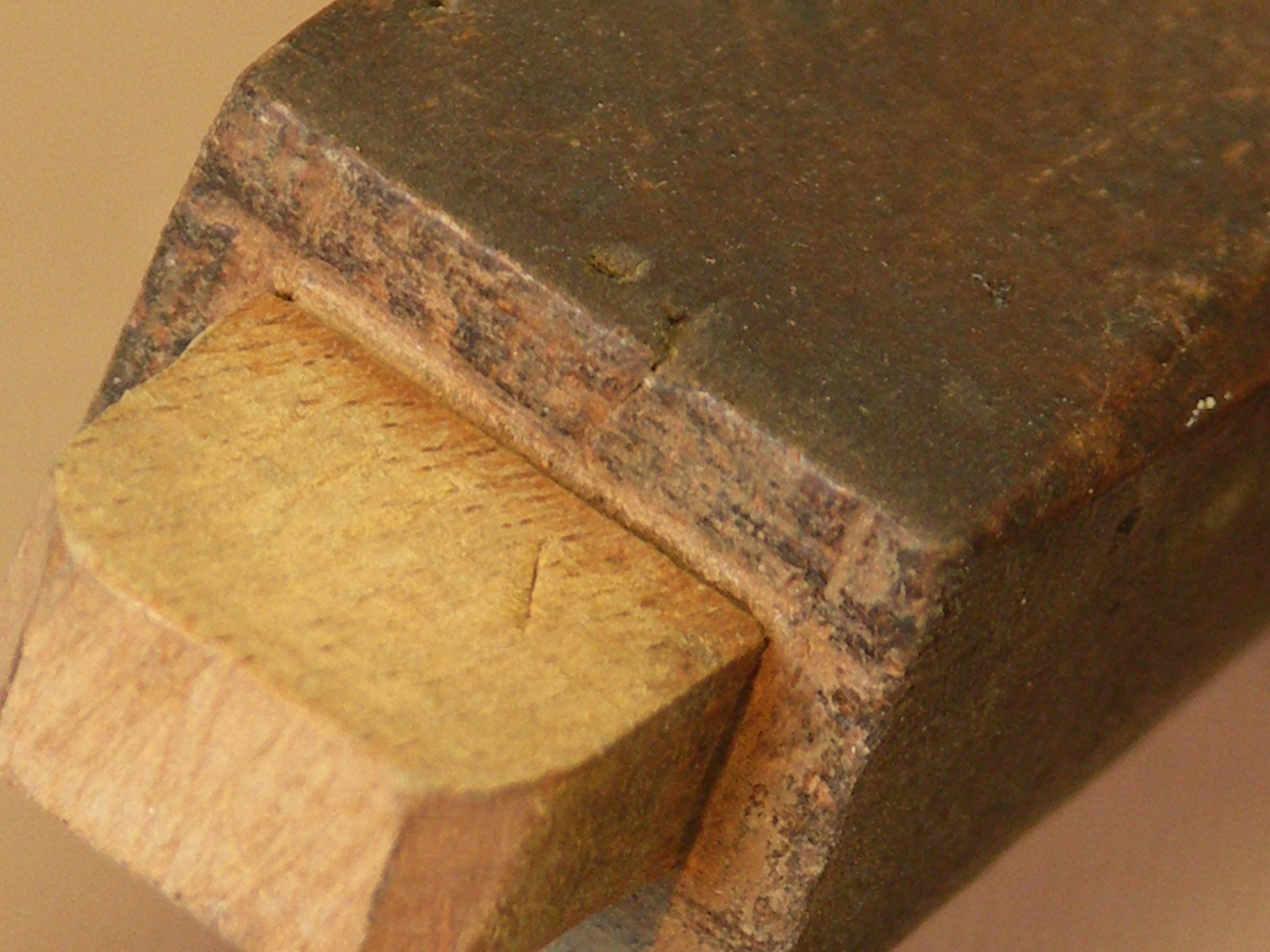
I see very fine marking gauge lines delineating the mortise holes telling me this man had a very accurate gauge with pins at perfect levels.
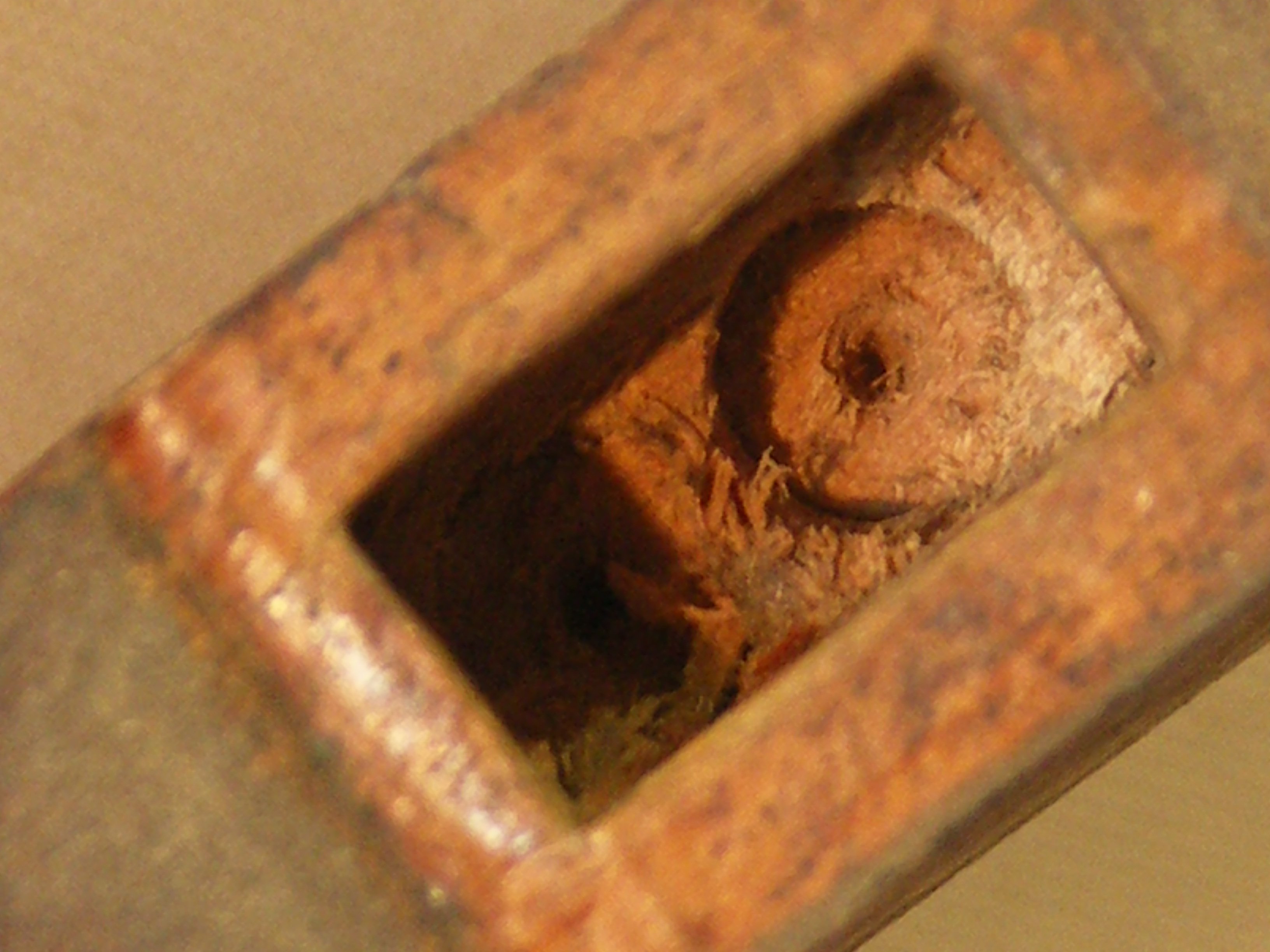
He was less concerned about the depth of the mortise holes. He used a 1/4” centre point non-auger bit, blacksmith-made, to cut holes to remove the bulk of the waste wood from the mortises, which is partly how I dated the piece.
The hole was further trimmed with a 5/16” blacksmith-made chisel because the whole was slightly less than 5/16”, which is a common flaw in forge sizing of chisels, but fully accpepted.
Another invisible but interesting feature of the brass pins in the round handles is that the opposite ends of the pins, the part that goes into the handle, is square and not round, and this square ‘tang’ is further secured by pinning through the handle with a fine steel pin. The square tang in the square hole was used instead of a round one to prevent the whole pin from turning under the pressure of using the saw as was the pin, which also served to prevent the brass pin from pulling from the handle during forwards and backwards thrusts.
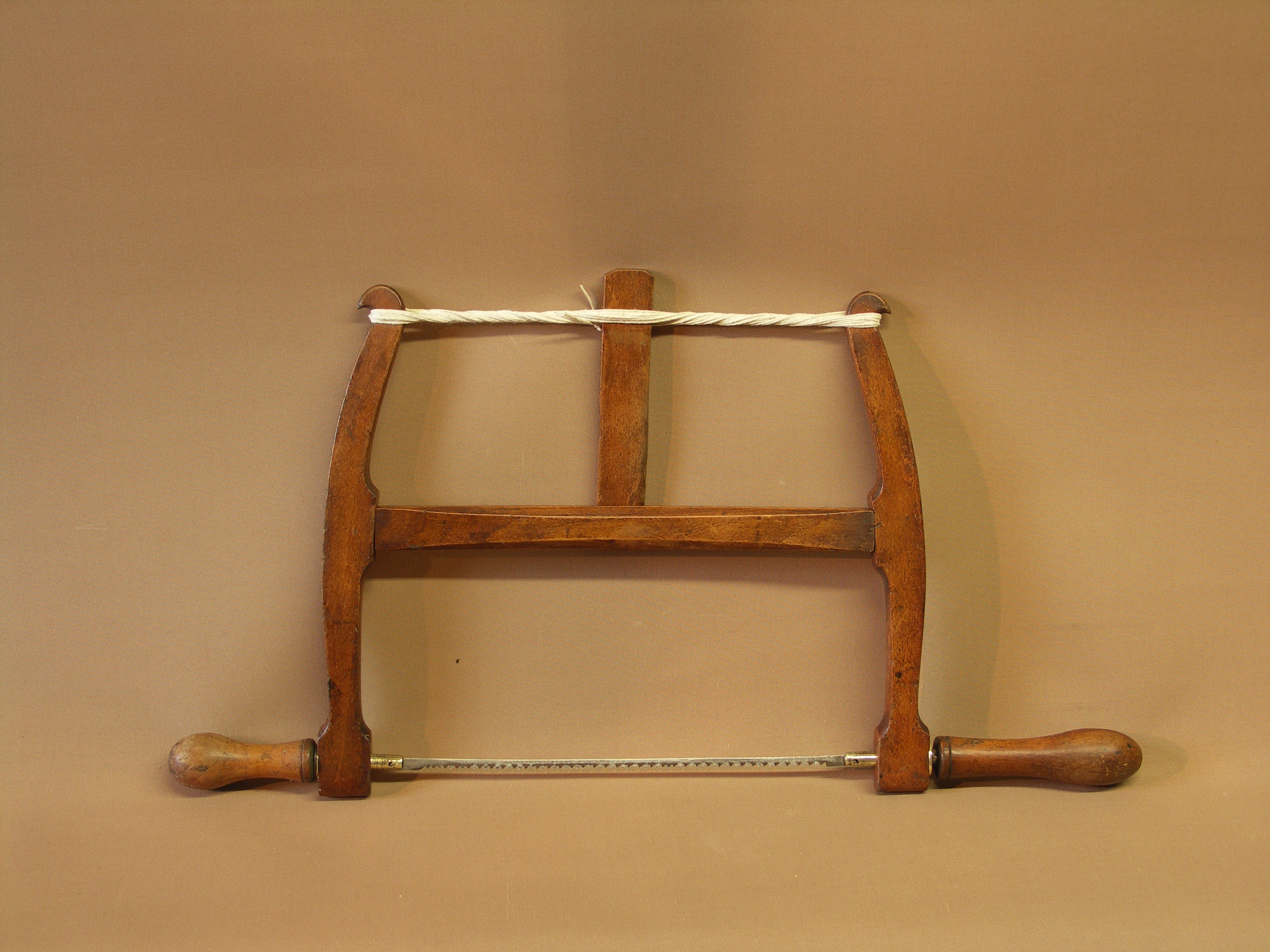
This is the finished outcome of my bow saw restoration of this finely made saw. It is fully working and there is no reason why it shouldn't last for another 100 years in my workshop with my children and my grandchildren continuing the tradition should they wish.
Comments ()